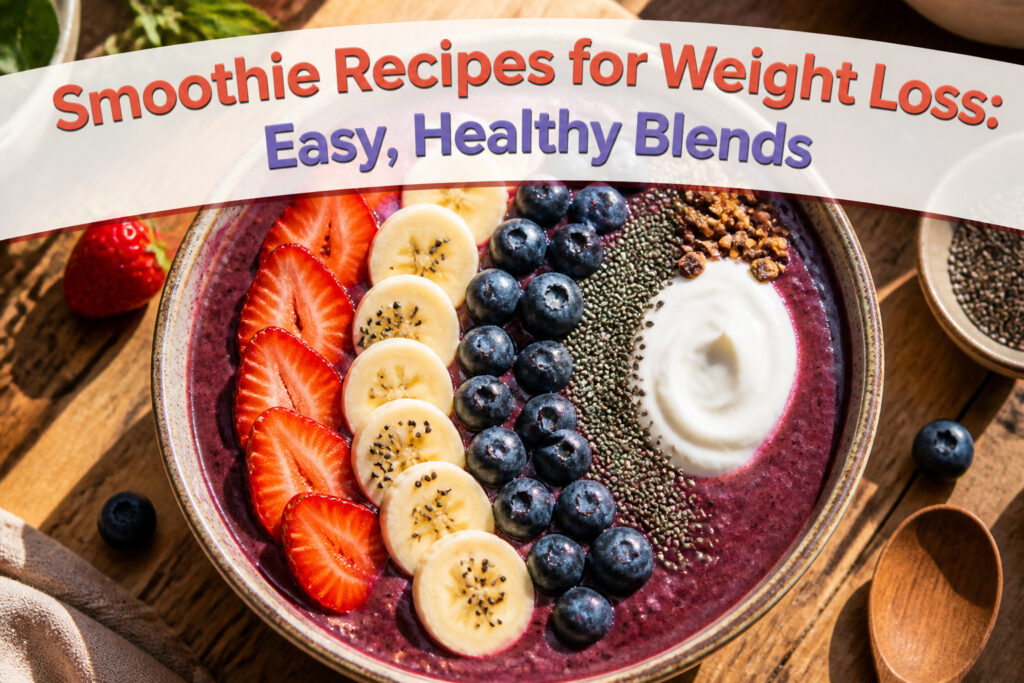
Weight-loss smoothies land between 150 and 400 calories, but the real divider is protein. Drop below 20 grams and hunger walks through inside two hours, no matter how green the blend. The recipes below run from a 150-calorie berry base to a 307-calorie pumpkin pie build, each one anchored by Greek yogurt, powder, or nut butter so the drink functions as a meal, not a delayed sugar crash.
1. Berry Green Protein Smoothie
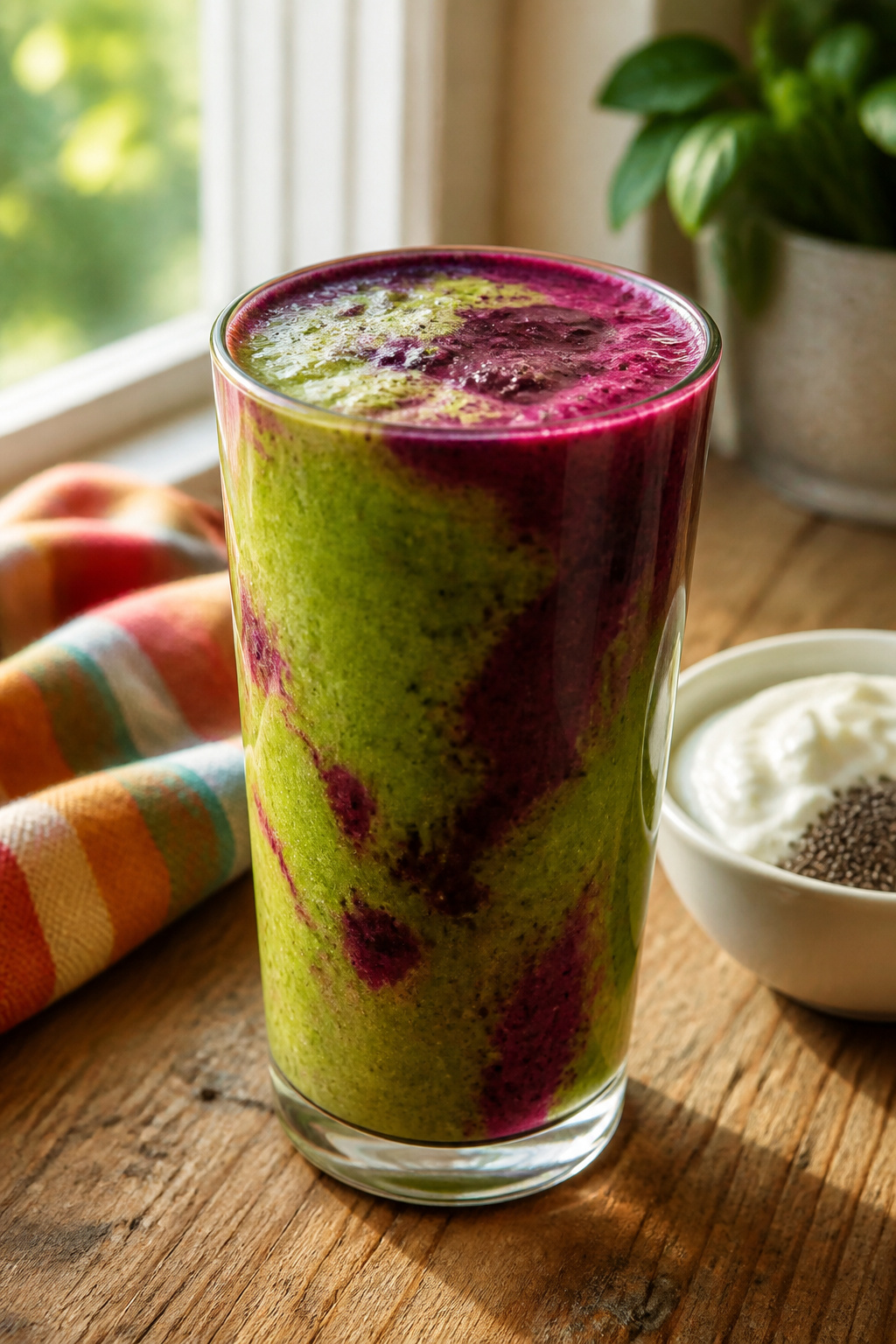
Mixed berries and spinach sound like an odd couple until you blend them. The berries bring sweetness and fiber, the spinach brings bulk and micronutrients without pushing calories past the 150–400 range that most weight-loss smoothies land in, and together they keep hunger quiet longer than fruit alone.
Protein is where this one earns its place in a morning routine. Greek yogurt is the usual base, though a scoop of whey or plant protein gets you into the same 8–32 gram window. I tend to aim for the upper half of that range. A 20–25 gram serving is enough to blunt the mid-morning crash that sends people toward the office snack drawer.
The recipe practically builds itself: one cup of spinach, half a cup of frozen mixed berries, your protein source, a tablespoon of chia seeds for thickness, and unsweetened almond milk to loosen it. The chia adds fiber and fat, the protein slows digestion, and the greens add volume you can actually feel in your stomach. That combination of fiber plus protein plus liquid bulk is what makes a smoothie behave like a meal instead of a juice.
Drink it after strength training if you want the timing to match the recovery window. Drink it before if you just need to stop thinking about food until lunch. Either way, the berry-and-green pairing works because it solves two problems at once: the sweet craving and the hunger that follows an hour later.

Yogurt Powder: Smoothie and yogurt drink mix, non-GMO, and gluten-free formula that is easy to customize with fruits and vegetables


2. Tropical Fat-Burner Smoothie
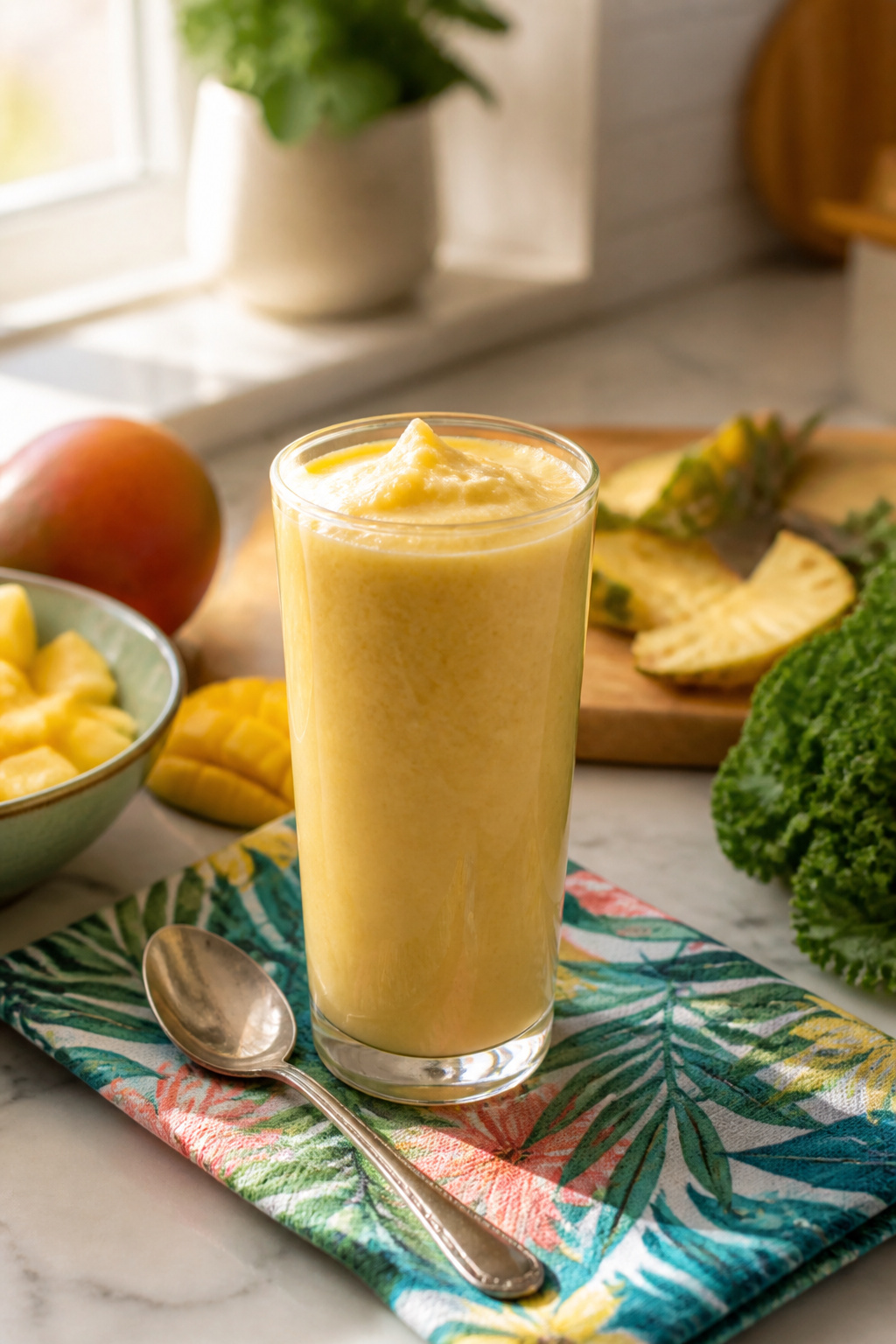
Frozen pineapple carries this Tropical Fat-Burner Smoothie without any added sugar, which is why it became my go-to when I started swapping breakfast for blended fruit. The half-cup of frozen pineapple and matching half-cup of frozen mango give the body a thick, milkshake-like texture that fresh fruit never quite manages; the ice crystals break down creamy instead of watery, so you are not pouring in juice or honey to fix a thin blend.
Pineapple brings bromelain, the enzyme that helps break down protein and has landed this drink its fat-burning label, though the real metabolic edge comes from pairing that sweetness with ¾ cup of plain Greek yogurt for roughly 18–25 grams of protein and a tablespoon of ground flaxseed for fiber. Some versions swap in kale or spinach for extra bulk, but the core idea stays the same: tropical fruit for satisfaction, protein and fiber for fullness, and frozen fruit so the whole thing stays a meal rather than a dessert.

NO OILS, NO GUMS: Califia Organic Almondmilk is made with just three simple ingredients without the need for oils or gums. Just shake it up and enjoy!

Made with the goodness of real Blue Diamond almonds

ADD ALMONDMILK TO YOUR PANTRY: Plain, unsweetened almondmilk tastes great in baking recipes, with cereal, or on its own
3. Chocolate Almond Protein Smoothie
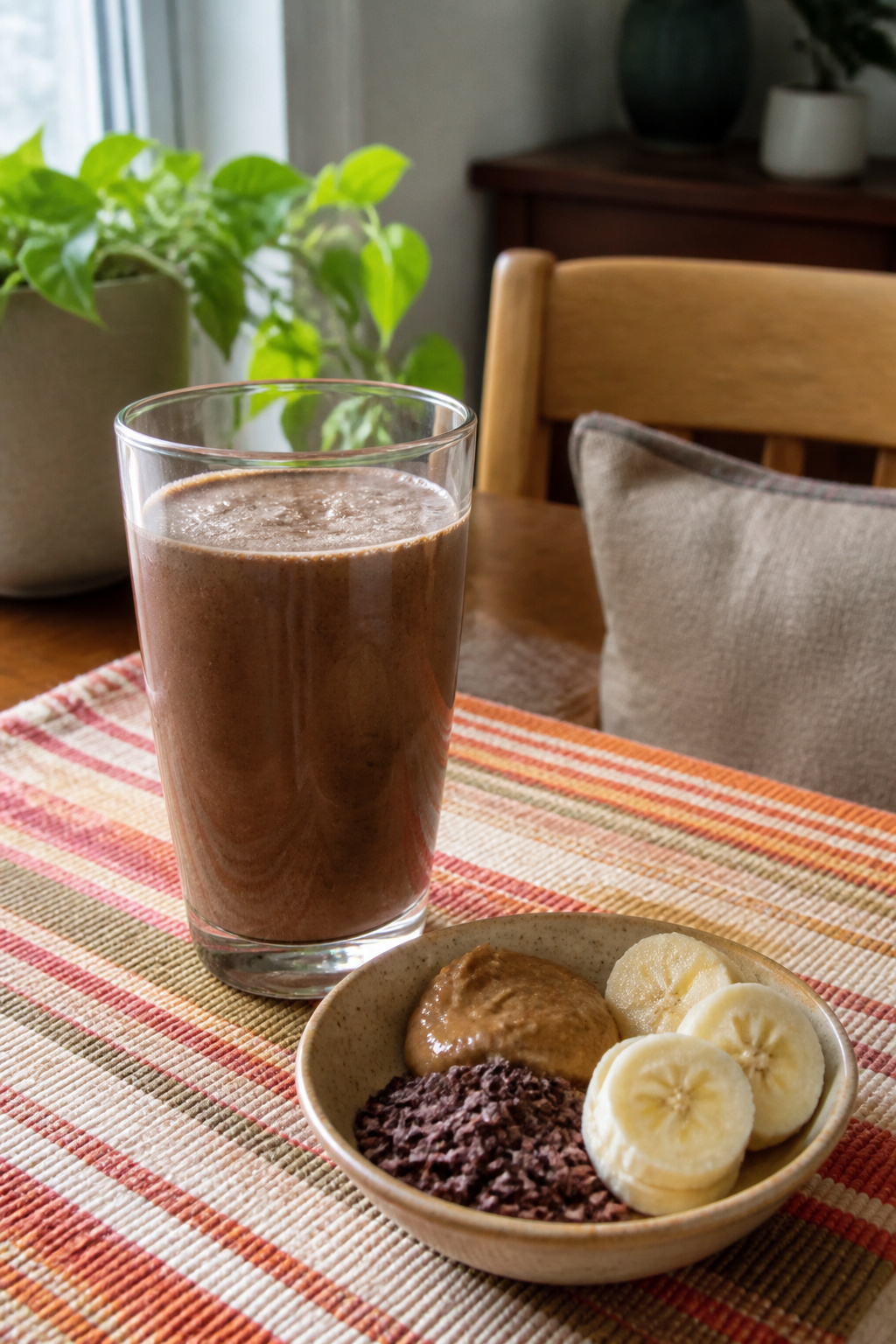
The chocolate craving that hits at 3 p.m. used to send me straight to the break room vending machine. Then I started keeping cocoa powder and almond butter in the office fridge instead.
Unsweetened cocoa powder delivers the chocolate hit without the sugar load that derails a day of careful eating. A tablespoon of almond butter adds the fat that slows absorption and keeps hunger quiet for hours. Blended with a scoop of chocolate protein powder, a small banana, and a cup of unsweetened almond milk, the result lands in the 150–400 calorie range and genuinely reads as dessert.
The protein count matters here. Sources note that protein supports lean muscle retention, which becomes essential during any fat-loss phase. That same protein makes this one workable as a post-workout option, especially when solid food feels too heavy after training.
I reach for this one when the alternative would be a candy bar. The flavor profile is rich enough that the absence of added sugar stops registering after the first sip. The banana provides sweetness; the almond butter, body; the cocoa, the psychological payoff of something indulgent. It is controlled calories that do not feel like a compromise.

Little Seeds, Big Eats: BetterBody Foods Organic Chia Seeds are an easy way to add fiber, omega-3s, and plant-based protein to your favorite foods. Stir them into smoothies, sprinkle them over oatmeal or yogurt, or use them in baking

Little Seeds, Big Eats: BetterBody Foods Organic Chia Seeds are an easy way to add fiber, omega-3s, and plant-based protein to your favorite foods. Stir them into smoothies, sprinkle them over oatmeal or yogurt, or use them in baking

SUPPORTS DIGESTION DAILY: High in natural fiber to support regular digestion and help you feel balanced throughout the day as part of a healthy routine. Natural source of fiber and lignans to support digestive health and help promote your weight goals as part of a balanced diet.
4. Cucumber Detox Recovery Smoothie
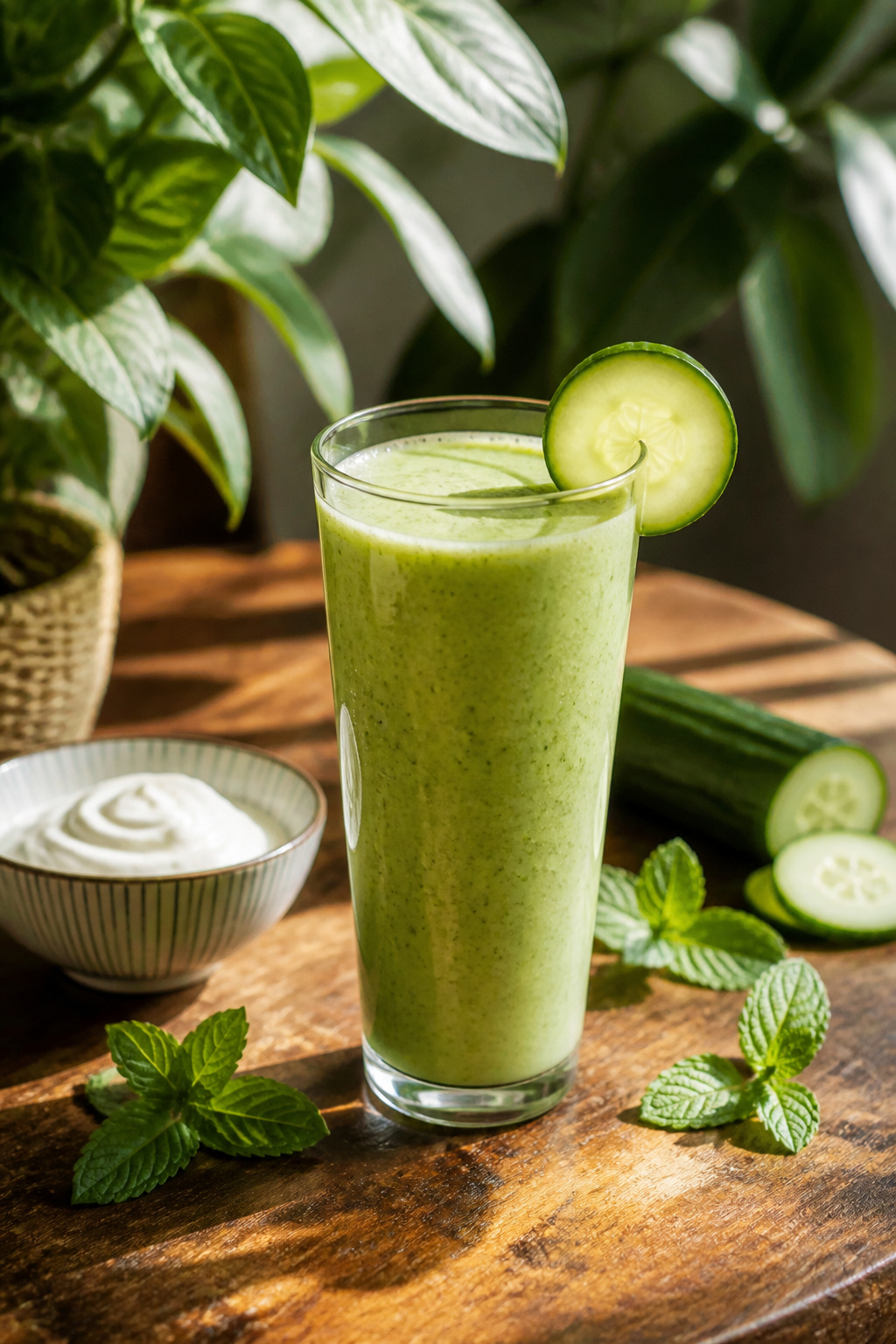
Cucumber stretches a smoothie into a bigger, more filling glass without stacking calories the way fruit does. Most fruit-heavy blends land between 180 and 200 calories from the sugar alone; cucumber and celery are mostly water, so the volume stays high while the load stays low. I use this one after a run or on afternoons when the kitchen feels like a sauna and chewing sounds like too much work.
The catch is volume without staying power. Without protein, cucumber blends become spa water with ambition: refreshing for twenty minutes, then hunger walks straight through the gap. Greek yogurt fixes that. Three-quarters of a cup adds roughly the same protein as a scoop of powder, but the texture stays lighter and the flavor stays clean. If you need it to function as a meal replacement, yogurt is the non-negotiable piece. Flaxseed thickens slightly and buys another hour of fullness, though chia seeds swap in cleanly if that is what the pantry holds.
Mint and honeydew round out the cooling effect, but they are accents, not foundations. The cucumber does the structural work here, and the yogurt earns the meal its name.

REAL FRUIT SMOOTHIE BASE – MADE TO CUSTOMIZE A freeze-dried fruit and superfood base designed for blending with milk, yogurt, juice, fresh fruit, protein powder, or your preferred sweetener. Create the flavor, sweetness, and thickness you enjoy.

Ready to Enjoy Frozen Fruit: A triple threat of sweet, delicious flavor, this wholesome trio of diced strawberries, diced peaches, and sliced bananas is a perfect blend of all natural fruit that is great a refreshing smoothie

One 10 oz. bag of Birds Eye Chopped Spinach Frozen Vegetables
5. Peanut Butter Banana Lean Smoothie
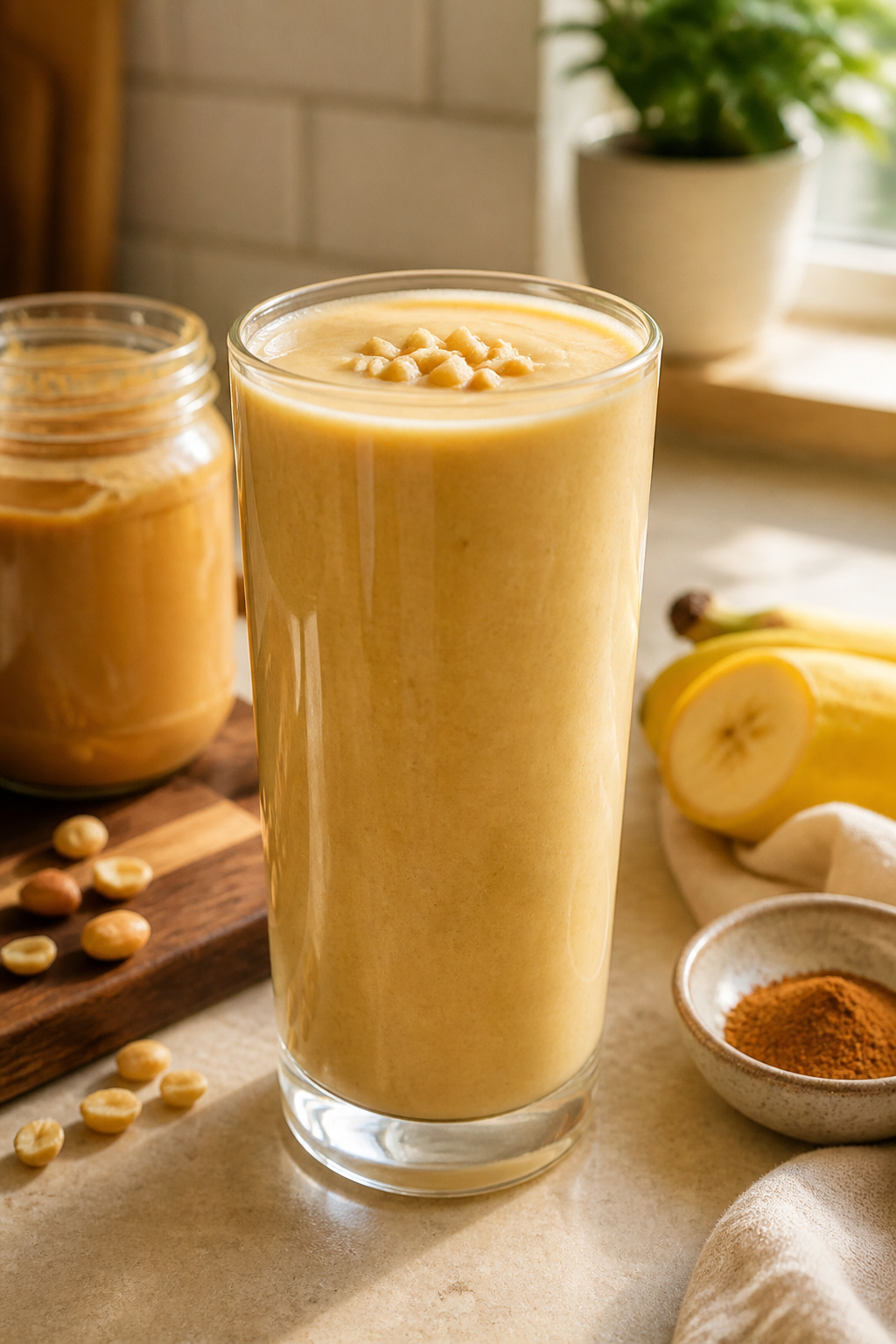
Peanut butter and banana together feel like a cheat code for creaminess, but both ingredients ask for a hard look at the measuring spoon. Two tablespoons of natural peanut butter run roughly 190 calories, and even half a banana adds natural sugars and enough heft to turn a snack into a meal if you are not careful. The potassium is real, though, and the texture it builds beats ice cream on days when you want something that sits in your stomach.
The way this moves from treat territory to an actual weight loss tool is protein. Keep the peanut butter to 1 tablespoon and the banana to half, then add a scoop of whey or a half cup of plain Greek yogurt. That pushes the protein toward the higher end of what a smoothie can deliver, which keeps hunger down for hours. Without that addition, the natural fats and sugars leave you hungry again too fast for the calorie cost. Cinnamon covers the flavor gap from smaller fruit portions without adding anything to count. This one works best as a meal replacement, not a side drink, and only when the rest of the day stays structured enough to absorb the density.
High-protein Chobani Greek Yogurt drink

22g of Protein

A creamy, ice cream-like experience; 80 calories and made with frozen Greek yogurt
6. Green Spinach Detox Smoothie
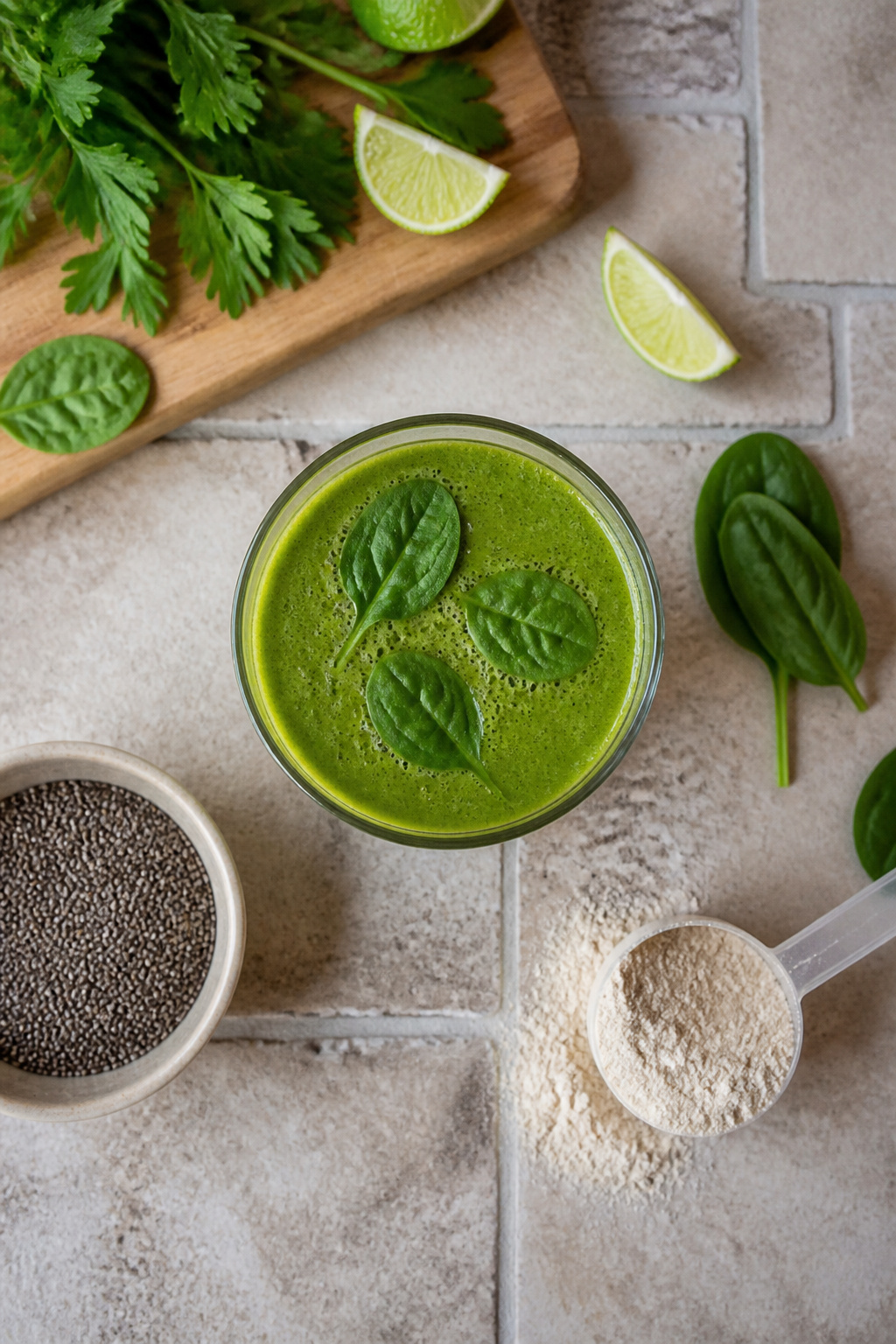
Spinach earned its place as the dominant green because it tastes milder than kale and still delivers vitamins B2, B6, C, E, and K, plus folate, zinc, and fiber. The "detox" label stuck to this category partly because leafy greens carry that nutrient density without calorie load, and partly because marketing loves a clean-sounding promise. What actually matters for weight loss is building the smoothie so it fills you up long enough to skip the snack drawer.
1 tablespoon of chia seeds adds the fiber that makes that happen. The seeds swell in liquid and slow digestion, which stretches the time before hunger kicks back in. Protein matters just as much: 1 scoop of powder, or a cup of unsweetened almond milk as your base, gets you toward the 20–25 gram range that turns a drink into a meal. Skip the banana and berries entirely here; fruit sugars add up fast when the blender already hides the vegetable taste. Water or ice thins the blend without the carb hit, and unsweetened is the only kind of milk worth pouring. The finished drink lands around the same 200-calorie mark as fruit-heavy versions, but trades the sugar spike for steadier energy through the morning.

Introducing Chobani Complete - advanced Nutrition yogurt
20 grams of protein
7. Avocado-Spinach Green Smoothie
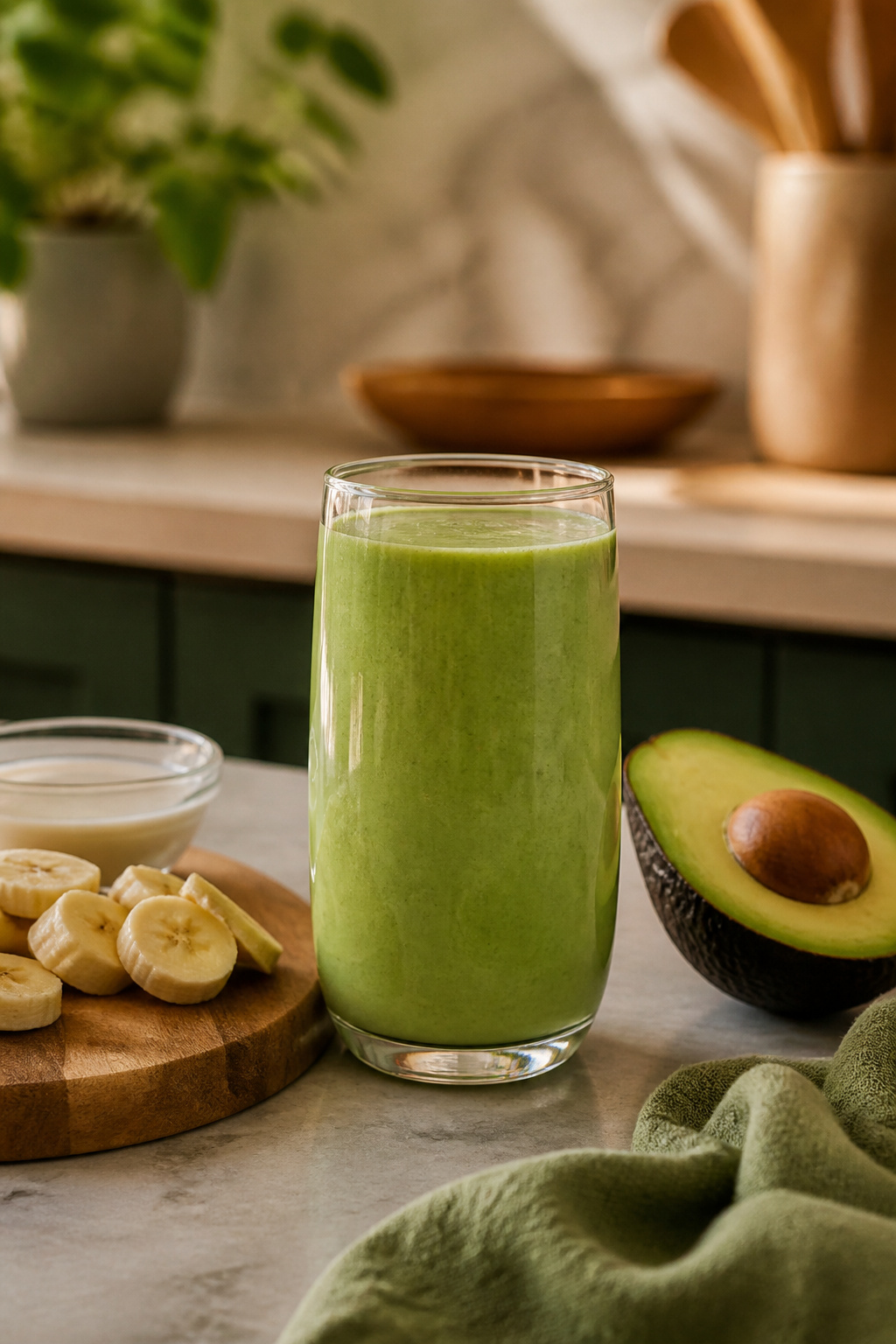
Avocado makes a green smoothie worth drinking. Half a ripe one, blended with spinach and a small banana, turns watery greens into something that coats the glass and actually fills you up. The healthy fats slow digestion enough that you’re not hunting for a snack an hour later, which is where fruit-only smoothies tend to fail.
The calorie count demands attention. One version with kefir, lemon, ginger, cilantro, cucumber and grapes lands at 259 calories with 6 g fat, 43 g carbs and 18 g protein. That’s substantial for a smoothie, and the energy density is real: avocado at roughly 160 calories per half adds up fast. The payoff is satiety. You’re trading volume eating for lasting fullness, which for some schedules works better than a larger, lighter blend that leaves you hungry.
Spinach brings fiber and nutrients without many calories, though the oxalic acid in leafy greens means excessive amounts can stress kidneys. A handful, not a head. Almond milk or low-fat milk keeps it liquid without adding much. Skip the honey or artificial sweeteners if weight loss is the goal; the banana and grapes already carry enough sugar.

Light and Smooth, Without Added Sugar | Our coconut non-dairy beverage is coconut water and coconut cream blended to create a super satisfying plant-based drink. In Original, Vanilla, and Cinnamon flavors, there’s a MLK for everyone!

RICH BUT : No need to be afraid of the big bad sweetness craving anymore. Silk Vanilla Almondmilk will save you with its smooth rich vanilla goodness & more calcium than dairy milk. Silk Pure Almondmilk is the smart way to indulge your sweet tooth.

8. Pineapple Spinach Green Smoothie
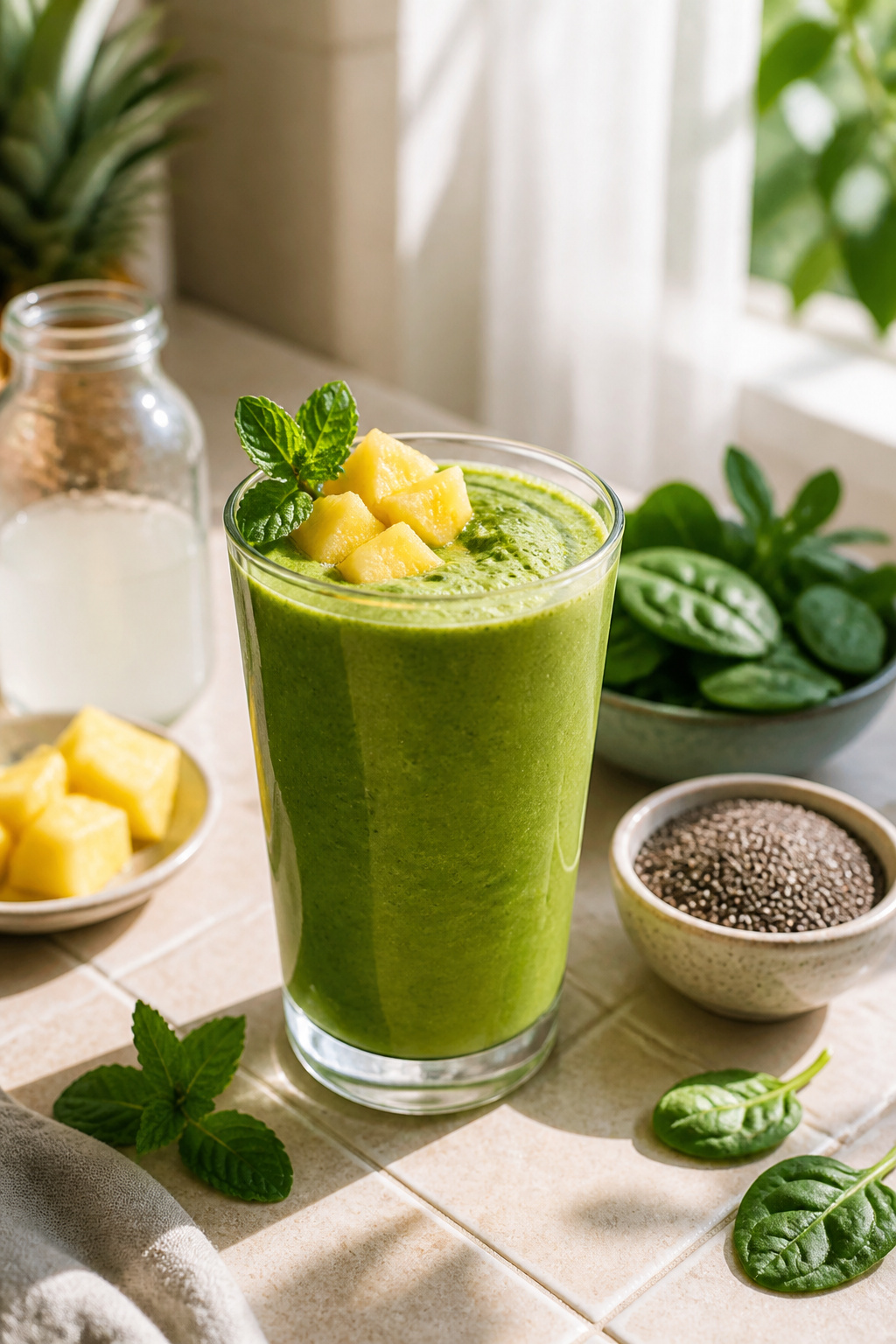
Pineapple carries bromelain, an enzyme that actually helps break protein down during digestion, which is why this green smoothie feels lighter on the stomach than spinach-heavy blends that lean on banana for sweetness. The fruit’s natural sugar is present but the load stays lower than mango or papaya bases, so the energy curve stays steadier through mid-morning. Spinach folds in fiber and the antioxidants you’d expect from a green category drink, while chia seeds add omega-3s and thicken the texture without dairy.
Frozen pineapple works better here than fresh for two practical reasons. The cold firms the blend into something drinkable rather than soupy, and buying it frozen means the enzyme activity has already stabilized, so you get the digestive benefit without timing a fresh cut. A half teaspoon of chia and half a cup of coconut water round it out; blend until the spinach fully breaks down, which takes longer than the fruit alone. The result sits between green and tropical categories in a way that satisfies either craving without the sugar spike of going full island-style.

Daily Digestive Wellness Support: A high fiber blend of chia, flax, acacia, and psyllium traditionally used to help maintain digestive wellness and may support regularity as part of a balanced routine. Combined with camu camu, maca, lucuma, and baobab, this prebiotic mix helps nourish beneficial gut microbes while delivering plant-based fiber with only four g net carbs per serving

Flax + Chia Superfood Blend: A milled blend of organic flaxseed and chia seeds in one convenient bag; an easy daily source of plant-based omega-3, fiber, lignans, and plant protein.

SALVIA HISPANICA: Chia seeds are harvested from a variety of mint native to South and Central America, where they've been enjoyed for centuries in hydrating and energizing beverages and snacks.
9. High Protein Green Smoothie
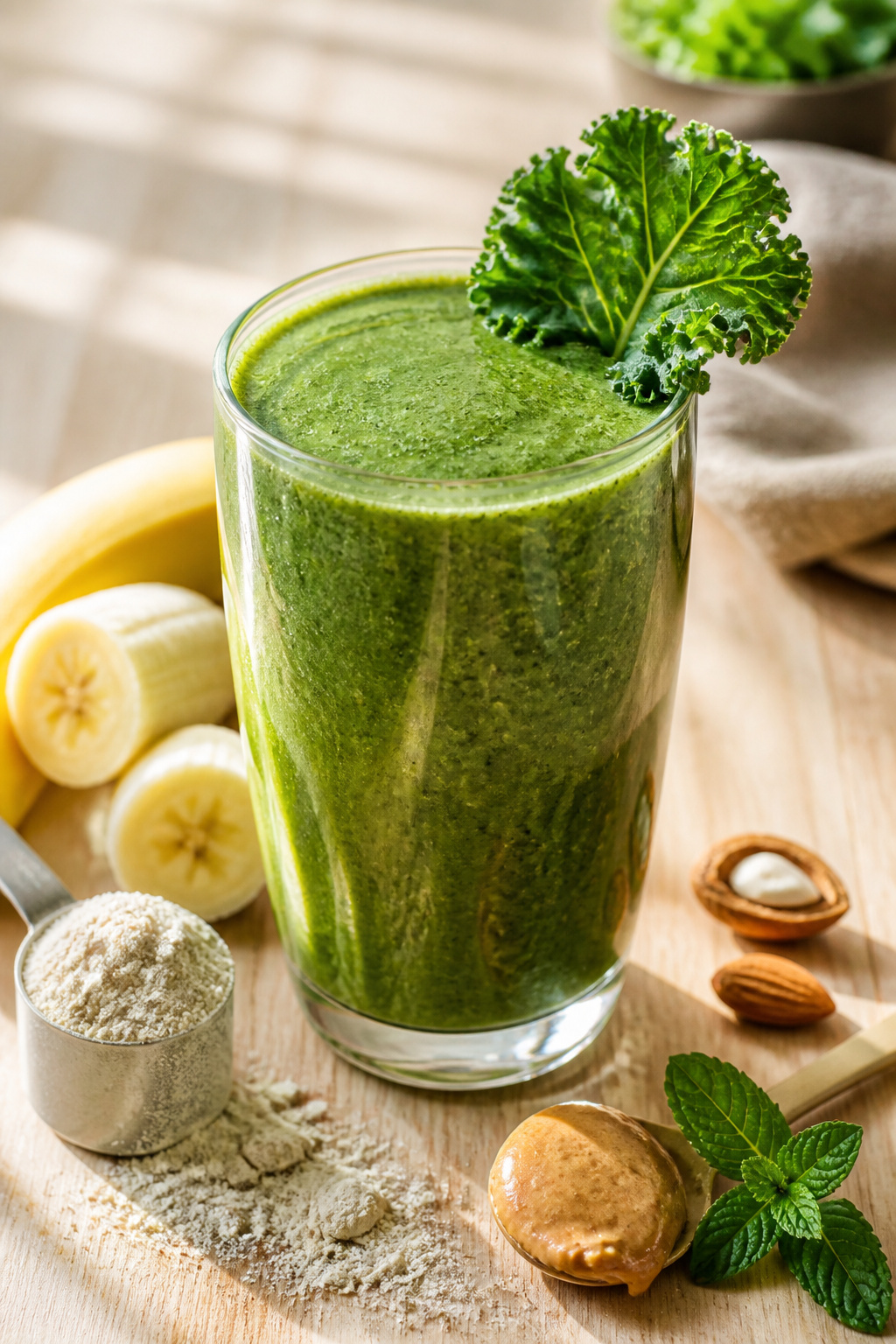
A high-protein green smoothie only works as a meal replacement if the protein actually reaches the upper end of the useful range. Aim for roughly 25–32 grams; anything below 20 grams leaves me hungry again inside two hours, and hungry afternoons are where meal-replacement plans die.
Two paths get you there without turning the drink into a beige protein shake with spinach for coloring. The first is a full scoop of whey or plant protein powder, 20–25 grams on its own, layered onto a frozen banana and a cup of unsweetened almond milk. The second skips powder and doubles down on dairy or soy: plain Greek yogurt plus unsweetened soy milk, or Greek yogurt with a tablespoon of almond butter and two tablespoons of hemp hearts, which together land in that same 25-gram neighborhood.
The green base has to stay intact for this to still count as a green smoothie. A full cup of spinach or a handful of kale gives volume and micronutrients for almost no calories, and frozen berries or pineapple keep the texture thick enough that the greens do not separate out. Blend the greens and liquid first, then add protein powder last on low speed; high-speed blending at the end turns some powders gritty and unpleasant.
What convinced me, reading through the versions that work, is that the protein source has to be deliberate. Nut butter alone, or chia seeds alone, tops out around 8 grams and the smoothie becomes a snack pretending to be lunch. The powder route is faster; the double-dairy route tastes cleaner to me and skips the aftertaste some whey leaves behind.

Made With Real Fruit: Experience the taste of your favorite berries in every sip. We've carefully crafted this smoothie mix to provide the perfect balance of sweetness, using just the right amount of cane sugar and real fruit

FROZEN TO LOCK IN FLAVOR: Dole Dream with Dragon Fruit Smoothie Blend combines pineapple, bananas, mangos, and dragon fruit, frozen to preserve peak flavor and freshness

FROZEN SPINACH: Easy to prepare spinach that's delicious and full of flavor; Makes a tasty side dish, meal addition, or recipe ingredient
10. Mango Banana Smoothie
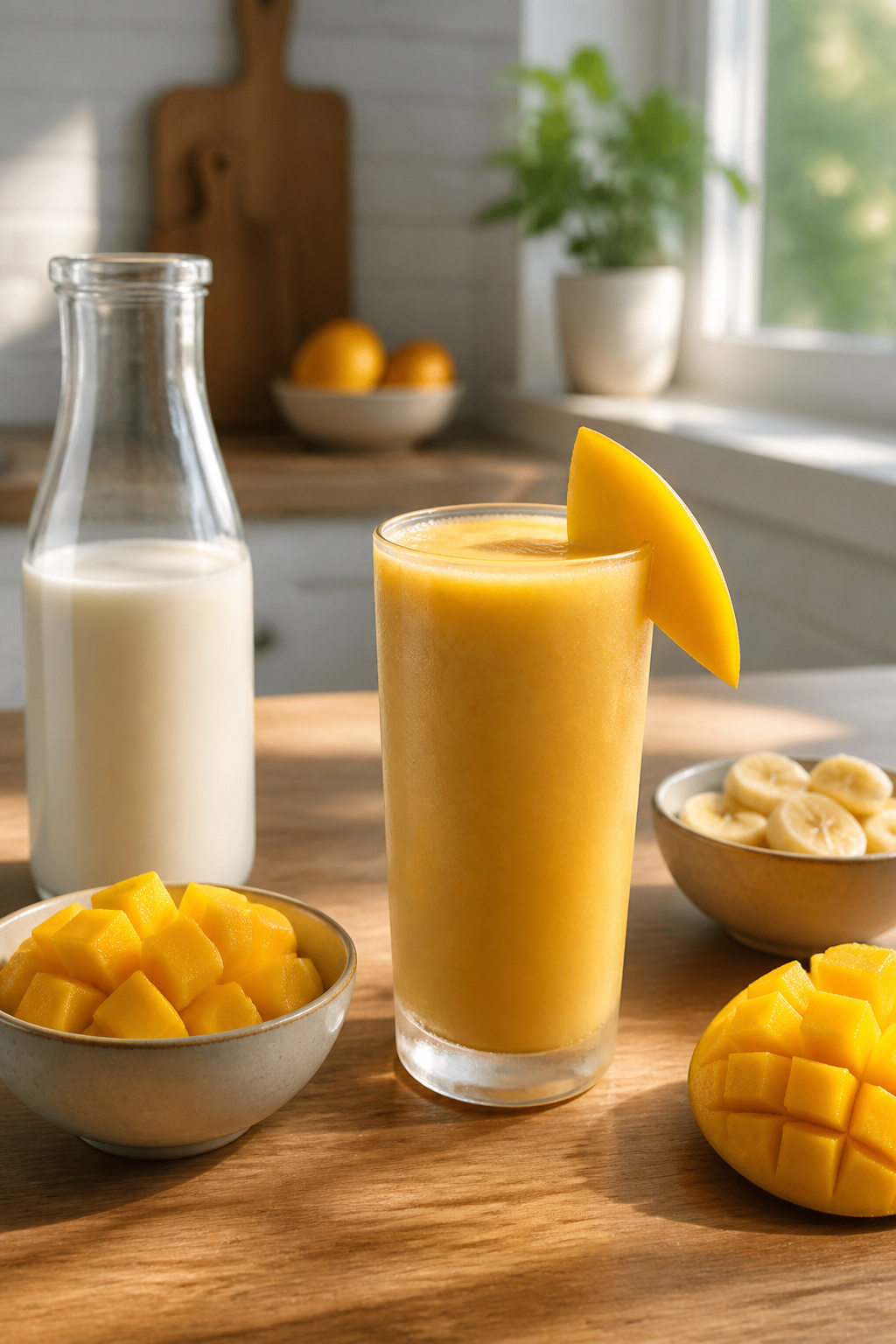
Mango and banana together make a smoothie so naturally sweet it almost drinks like dessert, which is exactly where the trouble starts for weight loss. Both fruits bring sugar to the blend, and the combination can spike the total higher than a single-fruit base would. Half a cup of mango chunks paired with a small banana is plenty; going larger on either one turns breakfast into something closer to a milkshake.
Greek yogurt changes the math. A half cup adds protein that slows absorption and keeps the drink from vanishing inside an hour. Without that protein anchor, the sugar hits fast and the hunger returns faster. Some mornings the blender gets half a cup of cold water for a thinner shake, other days a handful of spinach to dilute the fruit concentration without adding bitterness the mango already covers. The green route works because the tropical sweetness still leads; you taste mango first, not leaves.
For anyone tracking, this sits at a different calorie tier than berry-based blends. Berries run lower in sugar and higher in fiber, so they forgive bigger portions. Mango and pineapple fall on the other side of that line, and the serving size has to shrink to match. This smoothie succeeds as a meal when the protein is there and the fruit stays measured. Skip the yogurt or double the banana, and it becomes a treat that undoes the morning’s deficit.

20 grams of protein

High-protein Chobani Greek Yogurt drink

Delicious Chobani Greek Yogurt
11. Fat-Burning Smoothie with Pineapple & Kale
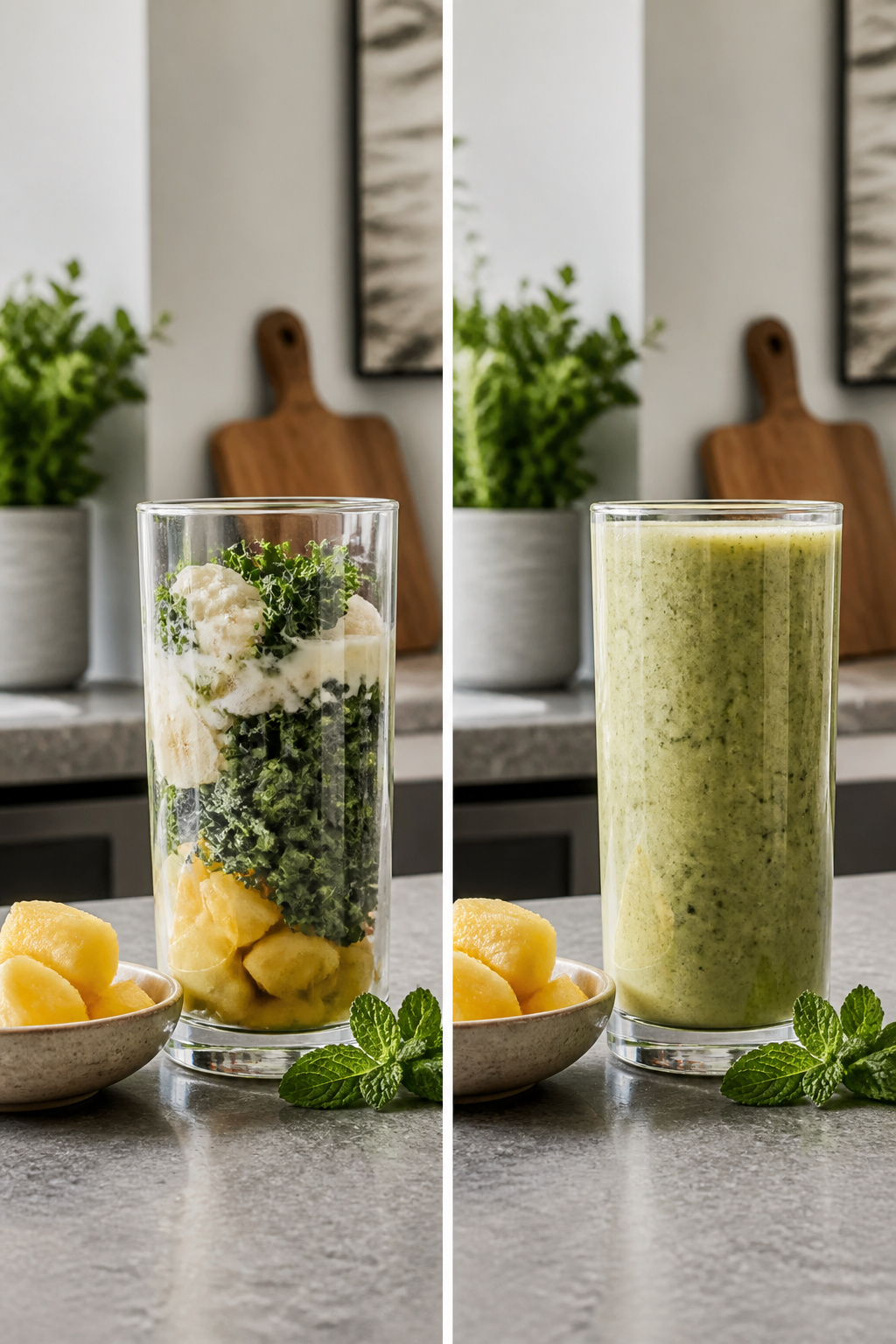
Kale brings a stiffer nutritional resume than spinach, though both get labeled interchangeably in green-smoothie culture. A cup of kale runs about 33 calories and carries more calcium and vitamins A, C, and K than spinach manages per equal measure. The tradeoff is texture and taste: kale’s cellulose structure breaks down less willingly in a blade blender, and its glucosinolate compounds leave a sulfur edge that can read as bitter or peppery depending on the leaf age. Spinach blends to satin almost by accident, which is why it dominates beginner recipes.
Pineapple exists in this pairing for more than masking power. The fruit’s acidity and bromelain enzyme content work on kale’s toughness from two angles: citric and malic acids help denature the leaf fibers during the blend, while bromelain performs limited proteolytic work on the proteins that contribute to kale’s bite. The result is a smoother mouthfeel than kale achieves with banana or mango, and the tropical sweetness needs less added honey to balance the green. One standard build runs 1 cup chopped kale, 1 1/2 cups frozen pineapple, 1/2 cup Greek yogurt, 1/2 cup unsweetened almond milk, and 1 teaspoon honey, landing around 296 calories with 14 grams protein and 5 grams fiber.
The "fat-burning" label, though, is mostly marketing shorthand. No ingredient in this glass directly oxidizes stored body fat at a clinically meaningful rate. What the recipe actually offers is satiety density: high water volume, decent protein from the yogurt, fiber from both kale and pineapple, and enough sweetness to prevent the compensatory overeating that follows deprivation. That mechanism supports a calorie deficit, but it is not the same as thermogenic fat loss. The honest case for this smoothie is that it fills a morning slot for roughly 300 calories and keeps hunger flat for hours, which is the actual engine of weight loss.
12. Chocolate-Covered Cherry Smoothie Bowl
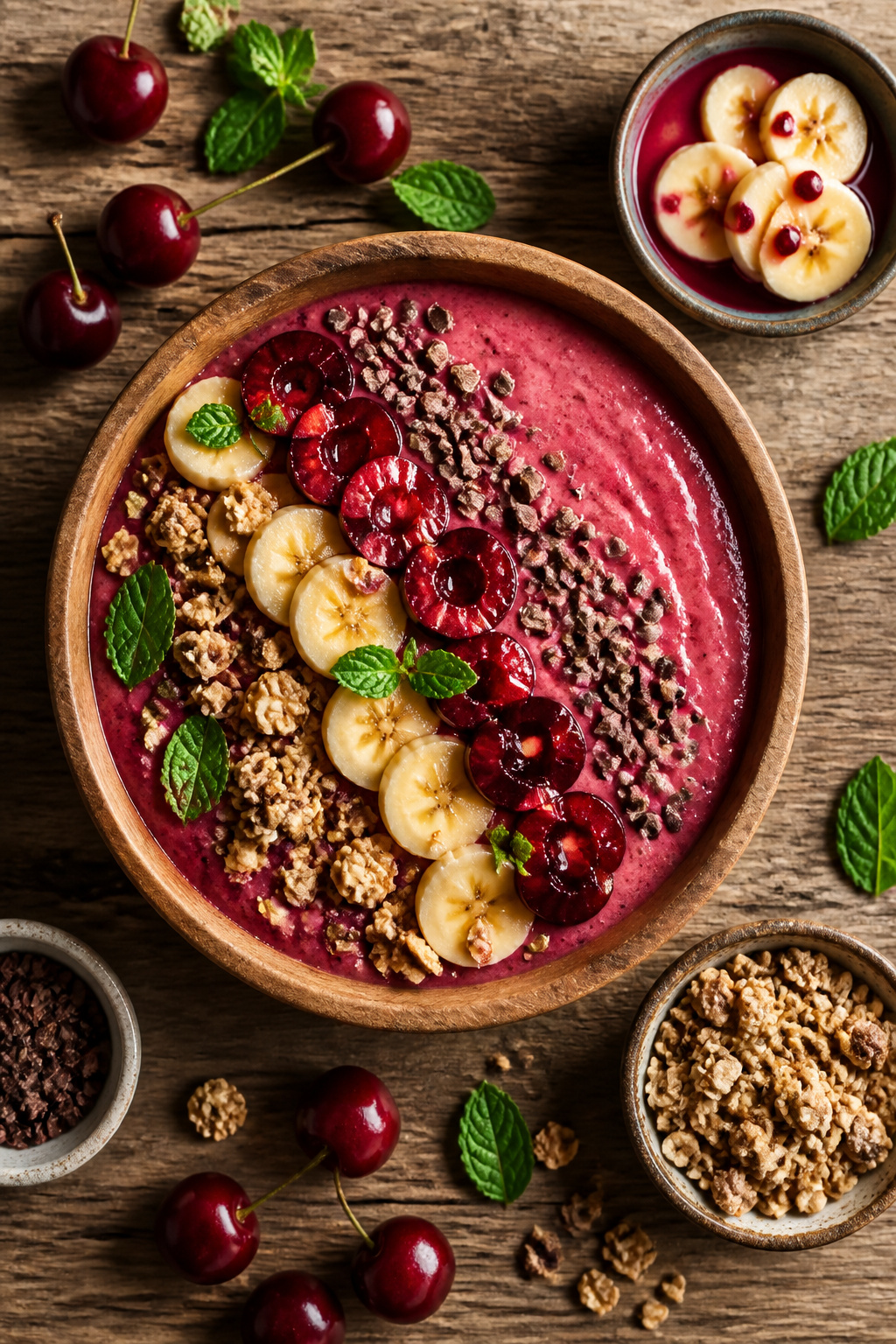
The smoothie bowl trend trades the straw for a spoon, and that thicker texture changes how full a portion feels. Real cherries, cacao nibs, protein powder, yogurt, and pomegranate-cherry juice build the base here, delivering protein, fiber, healthy fats, and antioxidants without the added sugars of an actual chocolate-covered cherry. A balanced weight loss smoothie typically falls between 250 and 400 calories, enough to replace a meal or serve as a substantial snack. The bowl format tempts you to pile on granola, extra fruit, or nut butter, and those unmeasured toppings can push a healthy base past that range fast. Skip flavored syrups, chocolate sauces, and sweetened yogurts; they spike insulin and slow fat loss. Stick to whole fruits and measured portions if you want the spoonable satisfaction without the calorie pitfall.
13. Pumpkin Pie Protein Smoothie
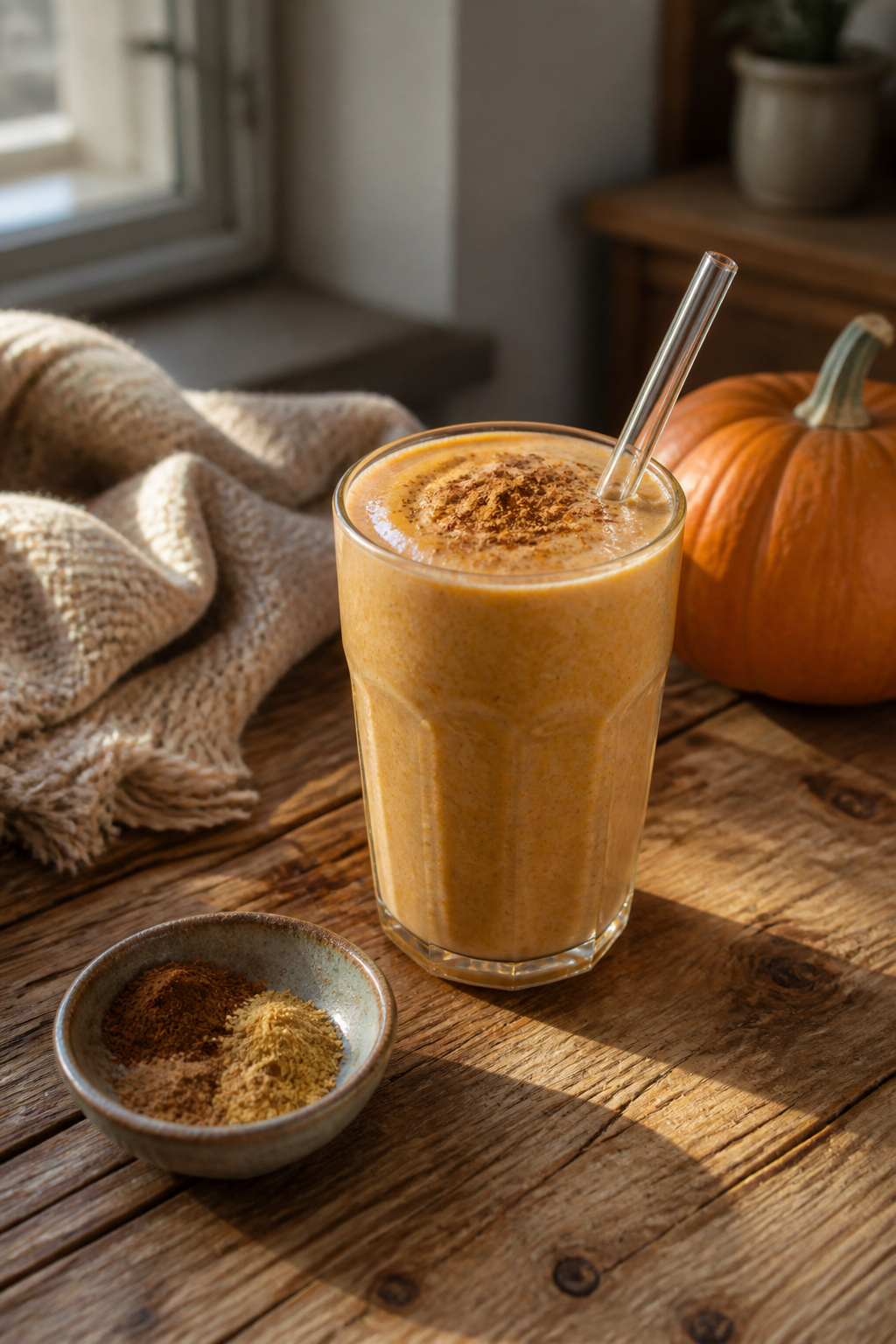
Canned pumpkin runs about 50 calories per half-cup serving and carries roughly 3 grams of fiber, which makes it a surprisingly practical base for smoothie recipes for weight loss year-round. The fall marketing pushes it for three months, but the cans sit on shelves in March just the same.
The pie flavor comes from cinnamon, nutmeg, and ginger, not from sugar. I blend those spices with the pumpkin, half a frozen banana, Greek yogurt, and a scoop of peanut butter powder or hemp hearts for protein. The batch I measured out landed near 307 calories with 23 grams of protein and 5 grams of fiber, enough to hold me through a morning.
This pumpkin pie protein smoothie will put you right in the mood and keep you satiated for hours.
That satiety matters more than the seasonal branding. Protein from Greek yogurt or hemp hearts completes the meal profile without needing flavored powders that sneak in extra sugar. The spice blend does the heavy lifting on taste; the pumpkin just provides the body.
14. Strawberry Kiwi Metabolism Booster
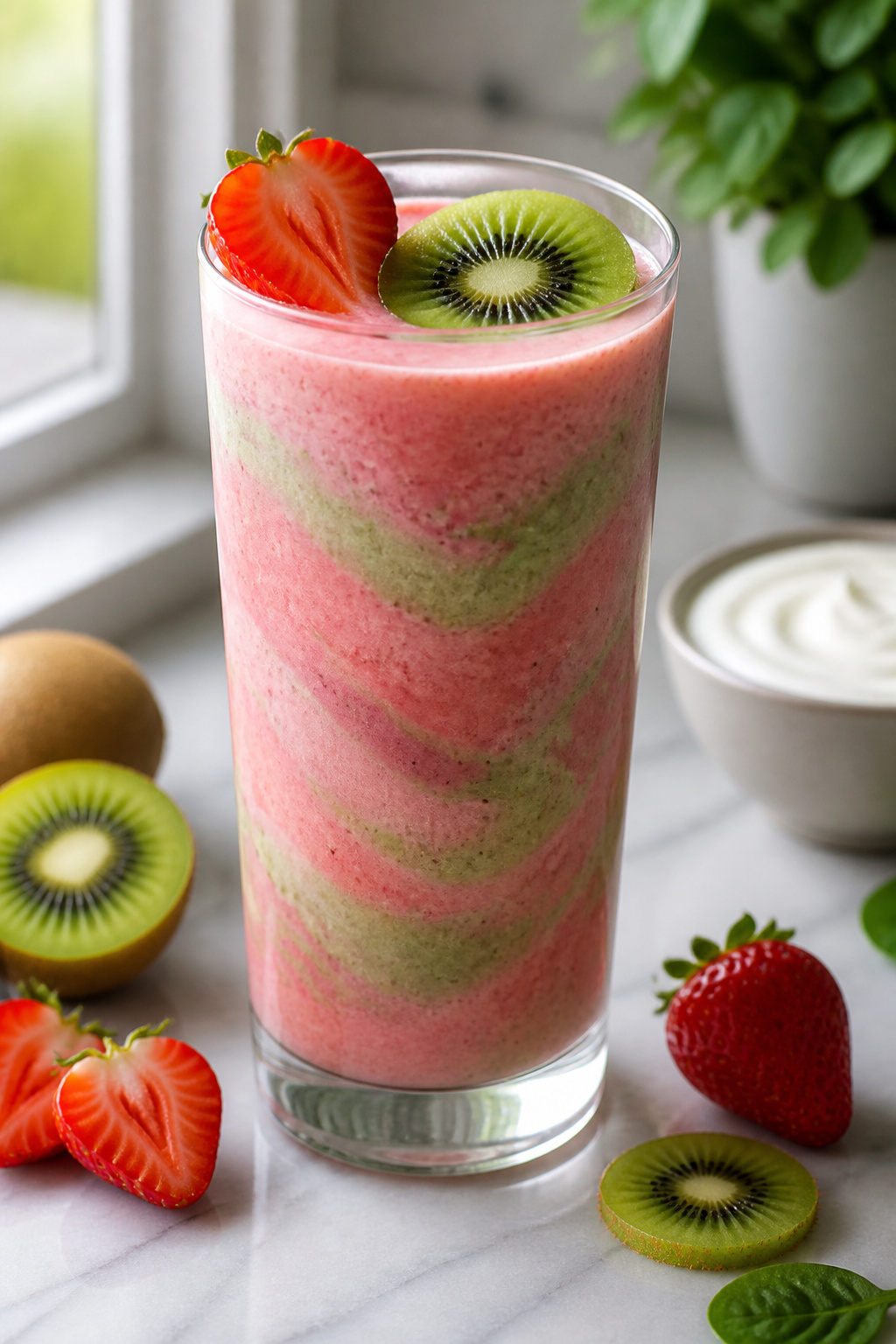
A cup of sliced strawberries and one medium kiwi together deliver roughly the full daily vitamin C target most adults aim for. That is the real nutritional win here, not the metabolism story that gets attached to this pairing. The vitamin C role in fat oxidation during exercise has some backing, but the effect is modest, and no fruit combination meaningfully raises resting metabolic rate on its own.
What turns this into an actual meal replacement rather than a sugar spike is building in protein and fat, not just blending fruit with water. Half a cup of plain yogurt gets you toward satiety, though I would push further: add a scoop of protein powder or a tablespoon of nut butter, and swap water for unsweetened almond milk to get fat in the mix. Without that structure, you are drinking fruit juice with fiber, hungry again in ninety minutes, and wondering why the "metabolism booster" label did not hold up.
The kiwi skin is edible and adds fiber, though peeling it is the smoother move for texture. Frozen strawberries thicken the blend without ice watering down the flavor. Keep the fruit to one cup total, let the yogurt or protein carry the volume, and this becomes a smoothie that actually replaces breakfast rather than pretending to.
15. Berry Antioxidant Smoothie
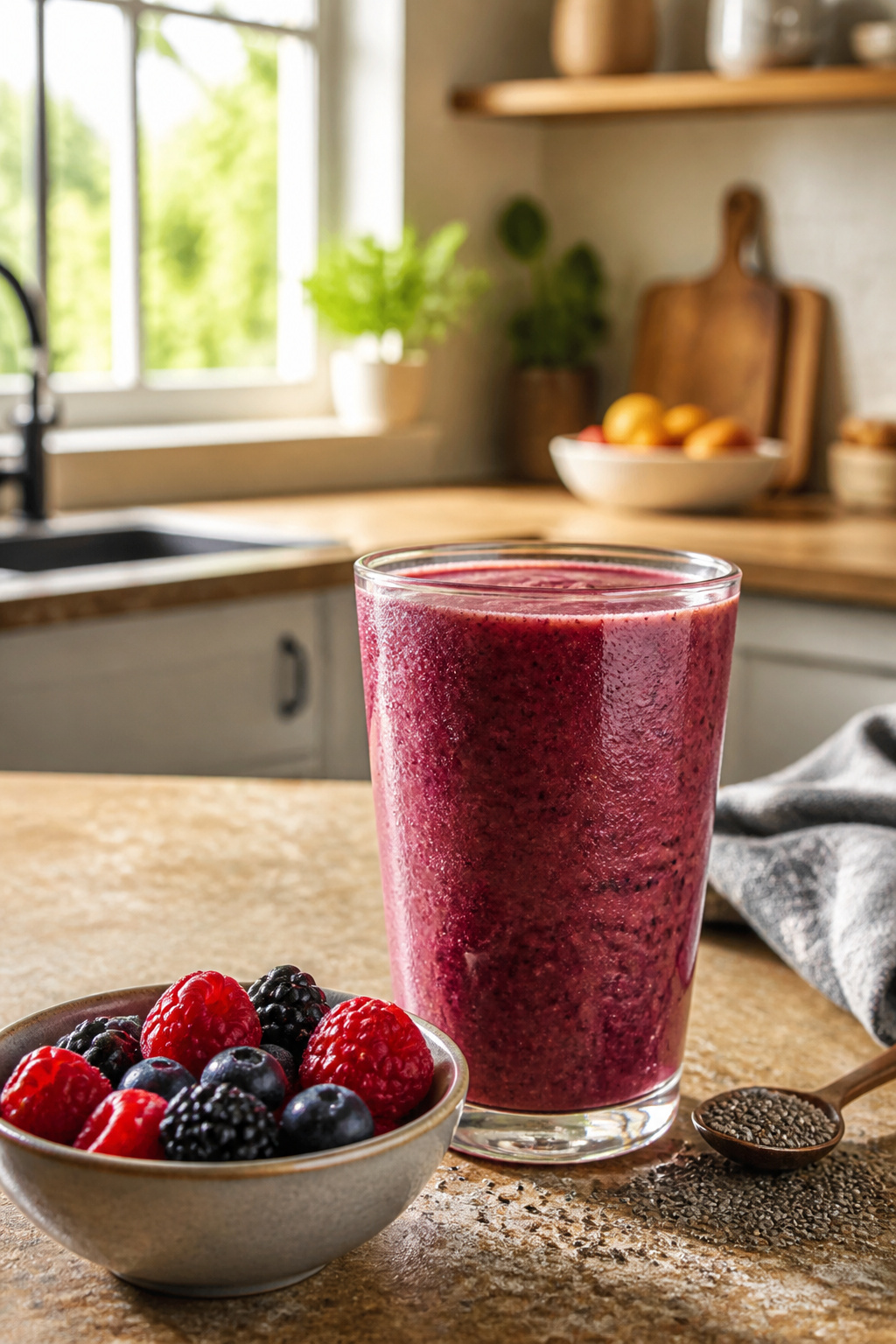
Mixed berries sit at the center of nearly every list of smoothie recipes for weight loss, and the reason comes down to numbers other fruits cannot match. A standard serving delivers roughly half the sugar of a banana with substantially more fiber, which slows digestion and stretches the gap between breakfast and your next craving.
The real payoff is combining varieties rather than relying on one. Strawberries contribute volume and a bright acidity, blueberries add an almost jam-like depth, and raspberries bring sharpness that keeps the blend from tasting like dessert. Frozen mixed bags work fine, though buying three separate containers lets you adjust the ratio after the first sip. Too sweet means more raspberry; too tart means more blueberry.
Protein completes the picture. Plain low-fat yogurt thickens the texture while adding enough protein to keep hunger at bay through the morning. Half a cup of yogurt to half a cup of berries, blended with water or unsweetened almond milk, produces something drinkable without crossing into milkshake territory. Add ice only if the frozen fruit alone runs thin.
16. Creamy Kale Smoothie
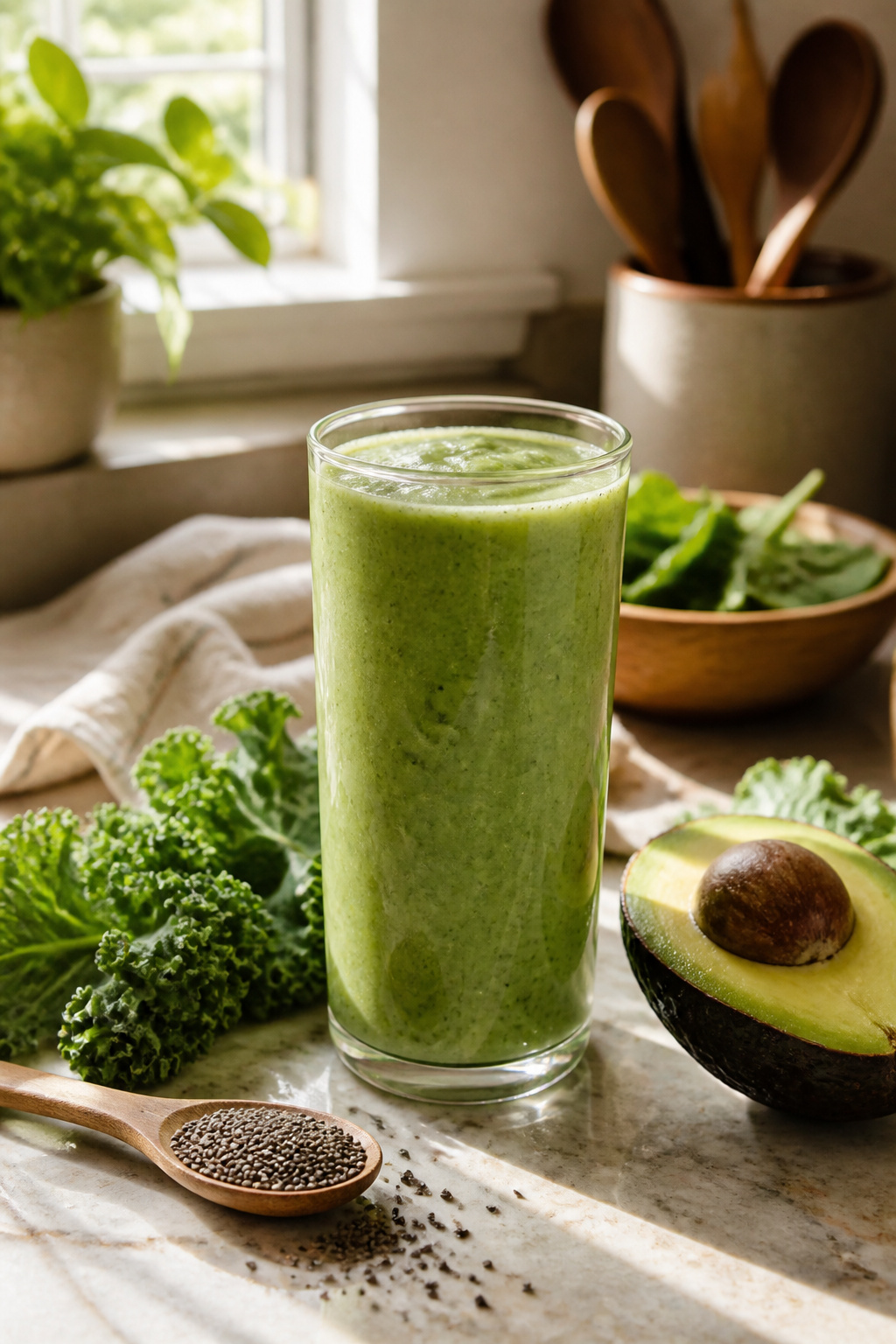
Kale’s texture is the first thing that separates a drinkable smoothie from one you chew through. The leaves hold up to heat and time better than spinach, which sounds like a virtue until you feed them raw into a blender. Without the right pairing, you get bright green soup with floating ribbons of chlorophyll. I learned that blending kale with frozen pineapple first, before adding liquid, breaks down the cell walls without turning everything watery.
The difference between a creamy kale smoothie and the thin green ones that run through a straw in seconds comes down to fat source and order of operations. Greek yogurt at half a cup gives body and 14 grams of protein, though the tang needs balancing. Half a ripe avocado does the same job with monounsaturated fat and no dairy, which matters if you’re keeping calories at the 296 mark of the classic version but want to swap the 36 grams of sugars downward. Almond butter at one tablespoon, or hemp hearts at two, are the middle path: plant protein plus fat that slows digestion enough to matter for weight loss.
The technique is to start dry and frozen, increase speed gradually, and add liquid only after the kale has actually disappeared. Thinner smoothies dump everything in at once and pray. The creamier result stays in the glass longer, which is the point if you’re drinking this instead of eating lunch.
17. Coconut Kale Smoothie
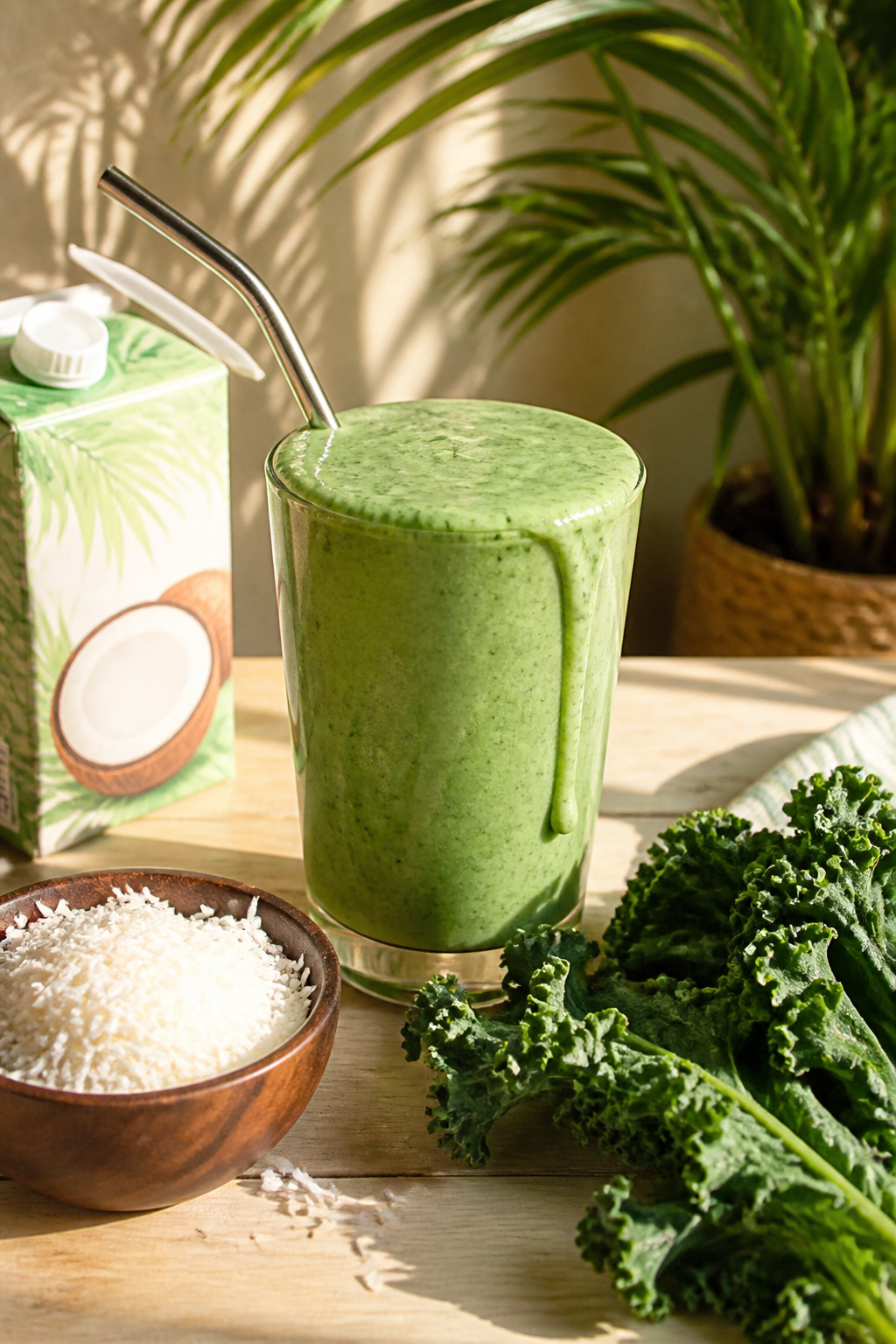
Coconut milk carries saturated fat, and that stops some people cold when they are tracking macros for weight loss. The fat also carries flavor and keeps hunger down longer than water-based smoothies, so the question is portion size, not avoidance. A quarter cup of full-fat coconut milk, or a tablespoon of unsweetened flakes, gives the tropical taste without turning breakfast into a dessert.
Kale runs bitter and fibrous, which coconut softens in a way that banana usually gets credit for. The result tastes richer than most green smoothies, with a silkiness that hides the leaf texture almost completely. For anyone skipping dairy, this is a useful trade: you lose the protein hit from yogurt or whey, and you gain the fat-soluble vitamins from kale that actually absorb with fat present. The nutritional math shifts, but it does not necessarily lose. Ice and a squeeze of lime keep the finish clean instead of heavy. A quarter cup of coconut milk is the ceiling for weight loss goals; flakes work if you want the flavor with less fat density, though the texture turns slightly gritty.
18. Peach Blueberry Smoothie
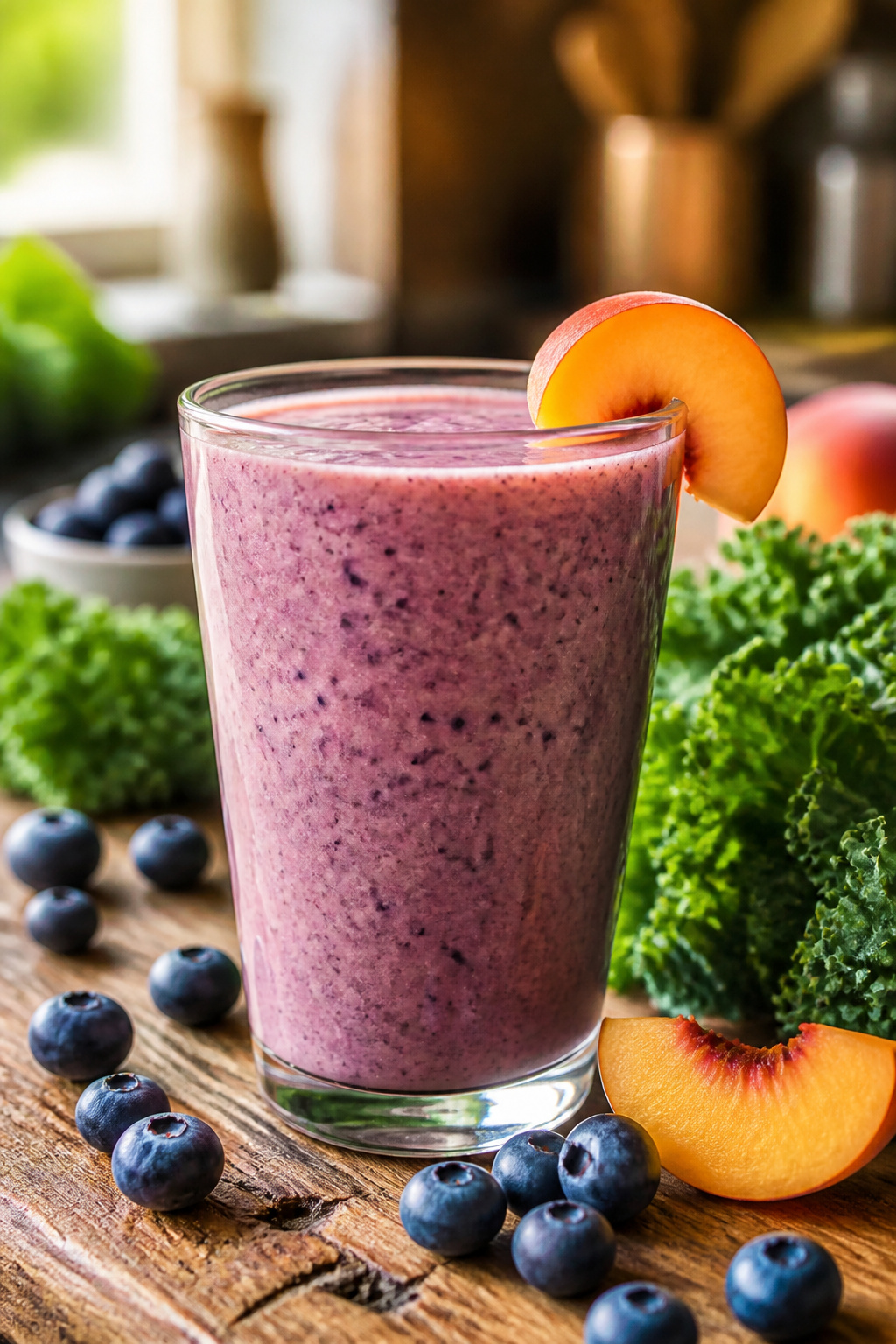
Fresh peaches in July make this pairing worth waiting for, but frozen slices work the rest of the year without turning the blend watery. The trick is using them straight from the freezer rather than thawed, since the ice crystals keep the texture thick once blended. Blueberry brings a sharper note that keeps peach from sliding into candy-sweet territory, though both fruits carry natural sugar, so limit the total fruit to about one cup to keep the glass from becoming dessert.
Without protein, this stays a snack that leaves you hungry by mid-morning. Plain Greek yogurt or a scoop of unflavored protein powder turns it into an actual meal, and the tartness helps balance the fruit too. Unsweetened almond milk keeps the base clean, 1 cup chilled. A handful of kale slips in nearly unnoticed against these flavors, and a quarter teaspoon of cinnamon ties them together without adding sweetness. The whole thing blends to roughly 170 calories before you add protein, so there is room to build it up properly.
19. Tropical Green Smoothie
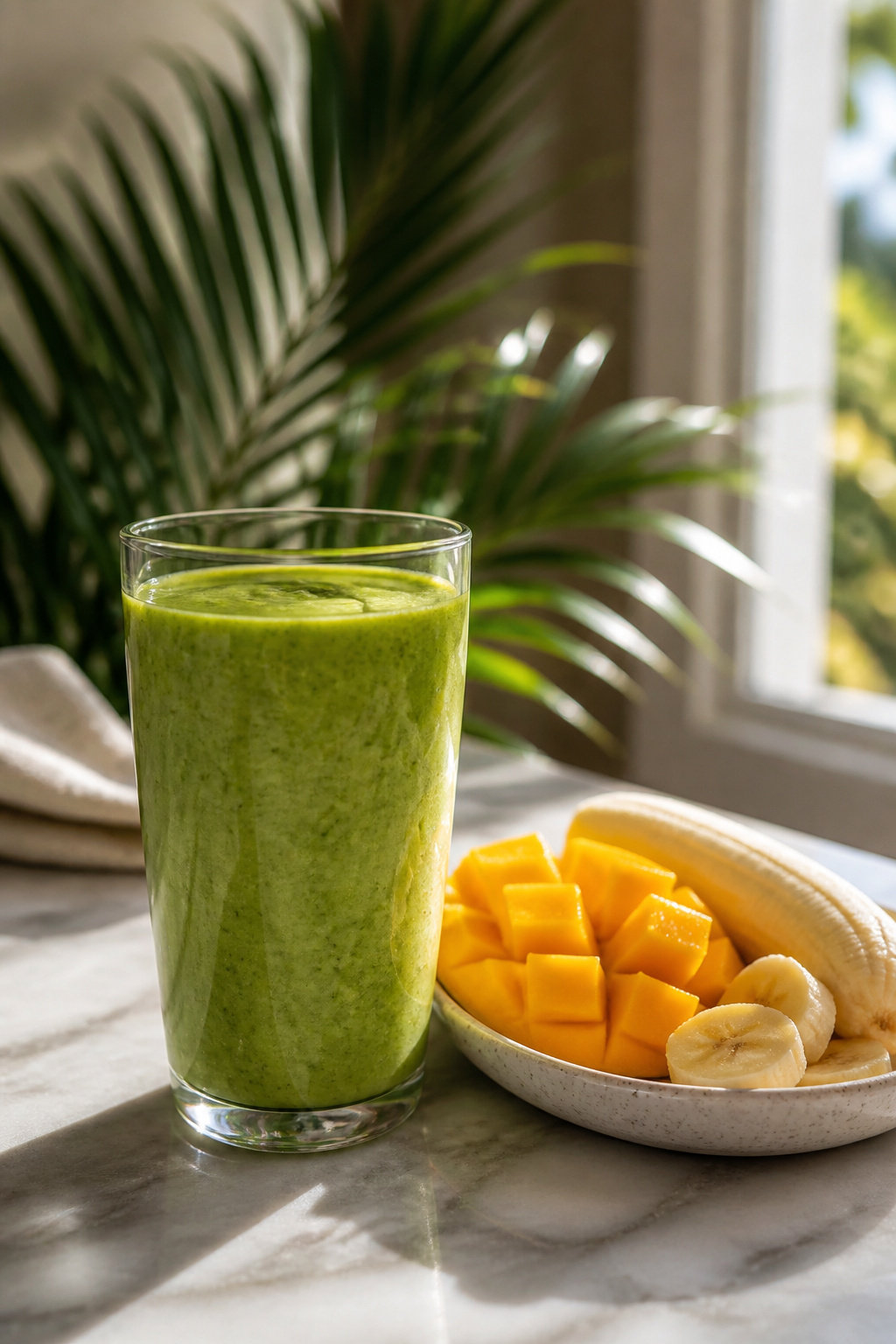
Tropical greens occupy their own territory in the smoothie lineup, and the difference comes down to what cuts the grassiness. Berries lean tart and dark; mango and pineapple bring a bright, almost floral sweetness that reads as sunny rather than sharp. I reach for this pairing when the berry versions start tasting like homework.
The usual base is spinach, though any tender green works. Frozen mango chunks or pineapple do the heavy lifting on flavor, and banana rounds out the texture if you want it creamier. A standard blend runs about 271 calories with roughly 7.6 g fiber and 6.2 g protein before you add anything extra, so Greek yogurt or a spoonful of ground flaxseed pushes this into meal-replacement territory at 18–25 g protein depending on your brand.
Fibrous tropical fruit needs a moment of patience. Frozen mango straight from the bag can stall a standard blender motor. Let it sit on the counter for five minutes, or break chunks apart with the back of a spoon before they hit the pitcher. Harder workers like pineapple core go down easier with a splash of coconut water to lubricate the blades. The payoff is volume without added sugar, and the greens keep the tropical sweetness from reading as dessert.
20. Mocha Frappe
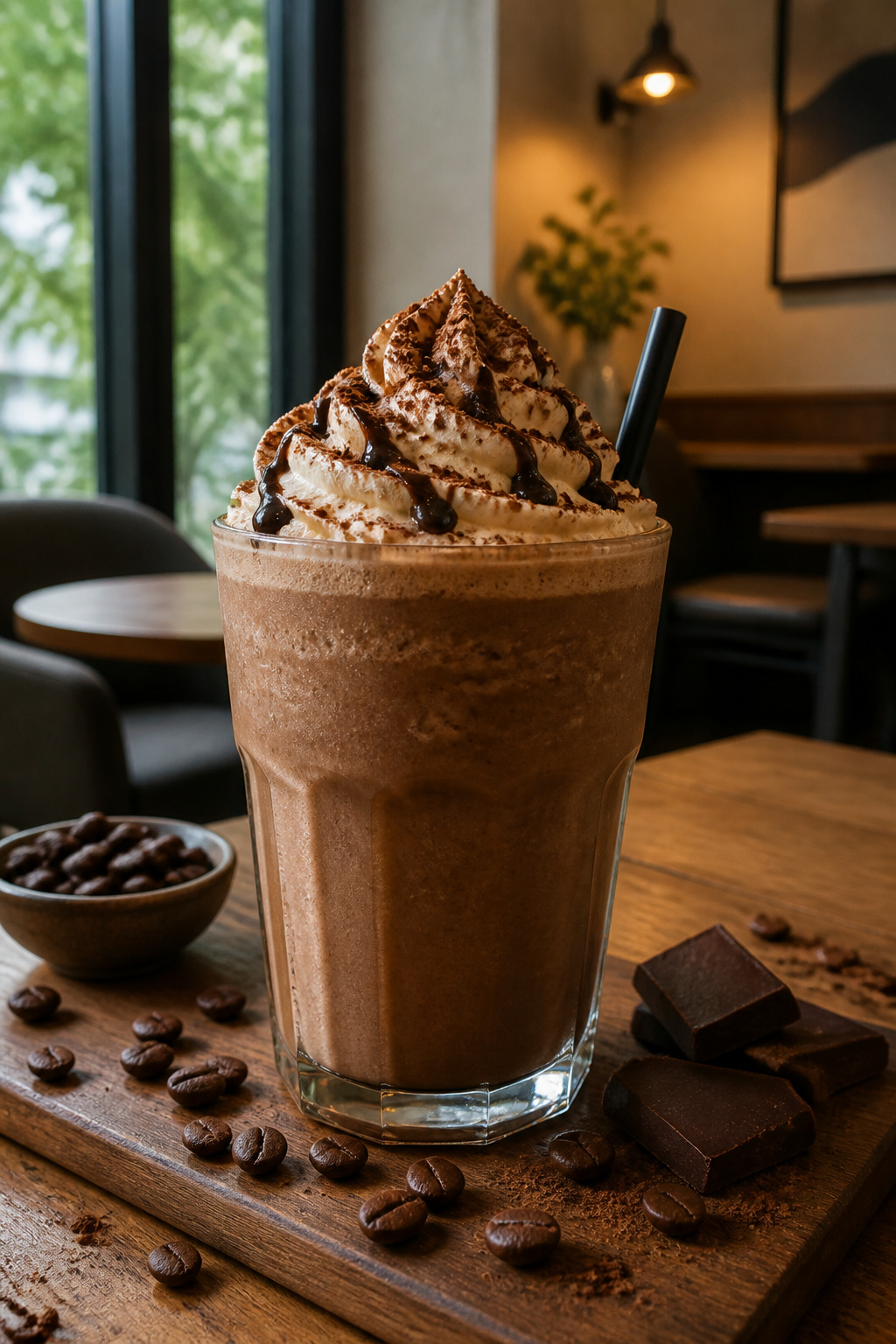
Caffeine does more than wake you up; it briefly dulls appetite, which makes a coffee-based smoothie useful for bridging a long morning or pushing past the 3 PM slump without grazing. The chocolate-coffee pairing works because cocoa’s bitterness rounds out coffee’s edge, so the drink reads as treat rather than punishment.
I built this one on cold brew, unsweetened cocoa, and a scoop of chocolate protein powder. Blended with ice and a splash of unsweetened almond milk, it hits 225 calories with 4 grams of protein from the base ingredients, though adding a full scoop of protein powder pushes that closer to 20 grams and keeps me full until lunch. The coconut milk some recipes call for adds richness, but watch the fat load: 16 grams per serving adds up fast if you are tracking.
The real win is control. A coffee shop mocha frappe runs 15 grams of sugar before you ask for whipped cream, and the flavor comes from syrup rather than cocoa. At home you skip the added sugars entirely, use the protein powder you already trust, and keep the drink under 250 calories while making it a genuine meal replacement rather than a side order of guilt. The only adjustment worth testing is decaf versus regular; I keep both on hand for mornings when I have already had my caffeine limit but still want the ritual.
Frequently Asked Questions
Are smoothies a good way to lose weight?
Yes, smoothies can work for weight loss when they are nutrient-dense and portion-controlled. The key is building them with high-fiber fruits and vegetables plus enough protein to keep you full, rather than packing in sugar and calories. The recipes in this article all land in the 150–400 calorie range with protein, fiber, and healthy fats structured to support a calorie deficit.
Which smoothie is best for weight loss?
The best smoothies for weight loss combine lean protein, fiber-rich vegetables, and healthy fats. A green protein smoothie with spinach, protein powder, unsweetened almond milk, half a banana, and chia seeds hits that balance, as do the berry green protein and high-protein green smoothies detailed above. Low sugar and high nutrients matter more than any single ingredient.
How often should you drink smoothies for weight loss?
One smoothie per day as part of a balanced diet is a sustainable approach. The recipes here work as meal replacements for breakfast or lunch, but relying on smoothies for every meal tends to backfire. Solid food habits still need to anchor the rest of your day.
What fruits are best for weight loss smoothies?
Berries are the top choice because they deliver about half the sugar of a banana with more fiber, which slows digestion and stretches fullness. Strawberries, blueberries, and raspberries mix well together. Banana, mango, and pineapple work in smaller portions for creaminess or flavor, but their higher sugar means measuring carefully.
Can I replace a meal with a smoothie?
Yes, one meal a day can be a smoothie if it contains enough protein, fiber, and healthy fats to actually satisfy you. Aim for 20–32 grams of protein, add chia or flax for fiber, and include greens or vegetables for volume. Without that structure, a smoothie becomes a snack that leaves you hungry too soon.