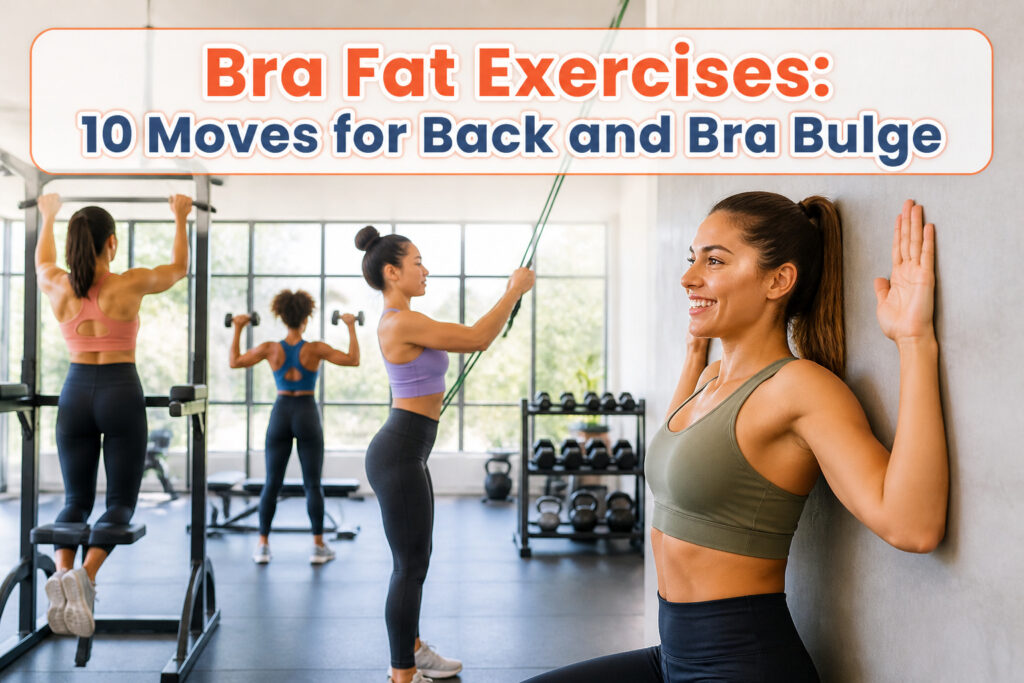
Bra fat exercises are strength moves that target the upper back and sides where bulge gathers above and below the bra line. They work best paired with a calorie deficit and regular cardio, since spot reduction is not physiologically possible. A professional fitting matters too: one writer found her "bulge" vanished after dropping from a 36C to a 34DD band. The ten moves below include assisted pull-ups, scapular wall slides, and resistance band pull-downs, with sets and reps drawn from working trainers.
Assisted Pull-Up
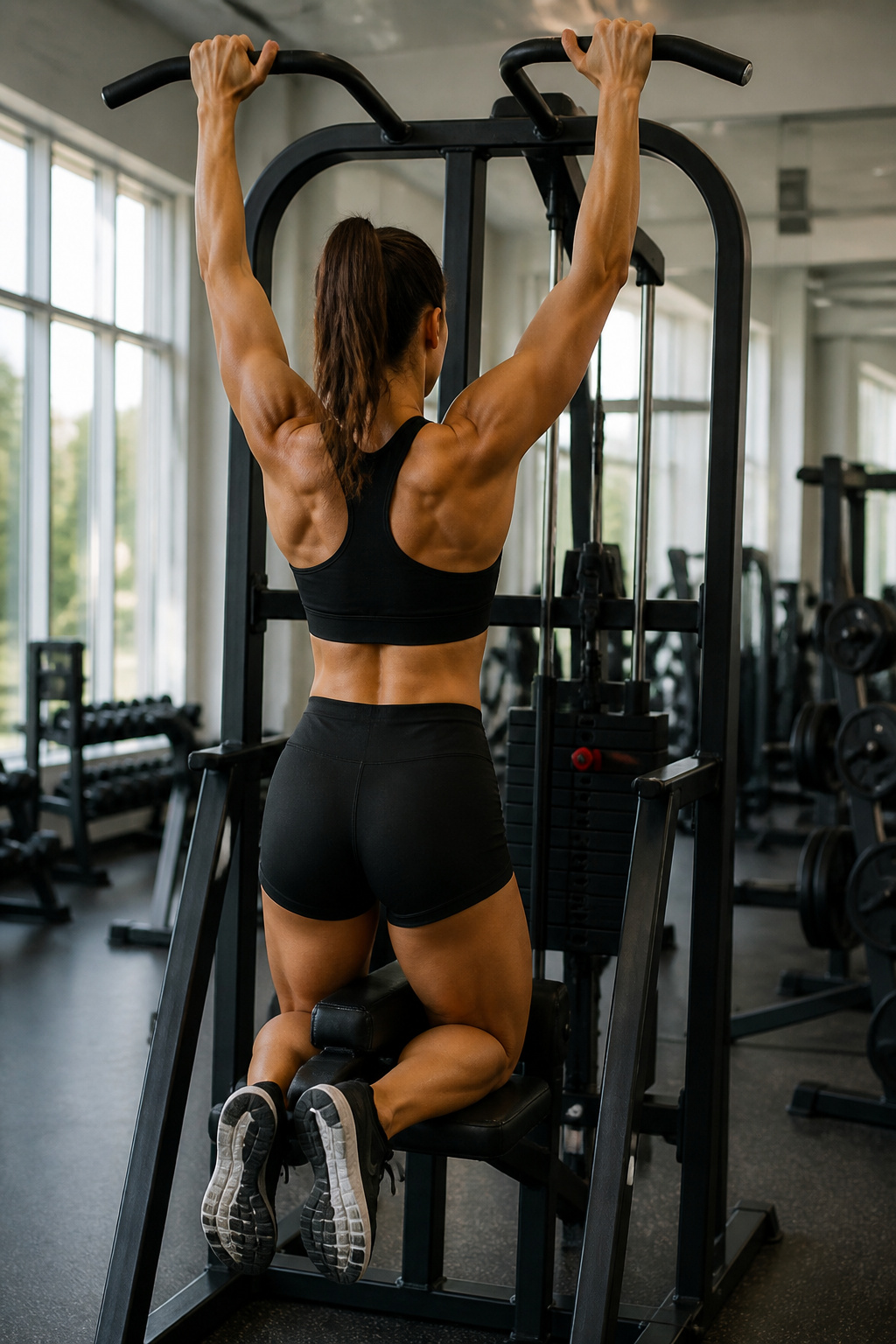
The assisted pull-up is one of the most recommended moves for bra fat reduction, and for good reason. Pull yourself up by bending your elbows and pulling them toward the floor — that single cue changes everything about where you feel it. Your lats, the broad muscles running beneath that bra line bulge, do the heavy lifting here, with your entire upper back joining in to stabilize the movement.
Start by hanging from the bar with arms straight and hands about shoulder-width apart. If you’re at a gym, the assisted machine lets you set a counterweight — try 20 pounds less than your body weight and adjust from there. The higher the assistance weight, the easier the exercise; drop it as you get stronger. Kneel on the pads, take the widest overhand grip you can manage, and keep your torso vertical with core tight. Straighten arms fully at the bottom, then pull until your chin clears the bar, squeezing your shoulder blades together at the top. Aim for 12 to 15 reps across two or three sets. No machine? A resistance band looped over the bar works for the same movement until you build the strength to go unassisted.

【2 IN 1 Assisted Pad】Sportsroyals power tower has a high-density soft sponge assisted pad, which provides you with resistance support to fight against your body weight, making it easier for you to complete pull-ups. Folding it is the backrest, helping scientific fitness and correcting your exercise posture.

【FROM ZERO TO YOUR FIRST PULL-UP】Struggling to complete a single pull-up? The VigorEdge foot-assisted pull-up trainer helps reduce bodyweight resistance, allowing beginners to build strength with proper form and gradually progress toward unassisted pull-ups. Perfect for beginners, women, seniors, and anyone working toward their first pull-up

【4 In 1 Chin-Dip Assisted Machine】: Owning a GMWD TX01 Chin/Dip Assist machine is like having multiple workout stations in a single: Pull up Assist station / Chin station / Dip station / Core trainer / Ideal for cramped quarters because of its small footprint(18.54 sq ft). TX01 will start building your muscle-defining journey. When done properly, helps men create a "V-shape" physique.
Chair Pull-Up
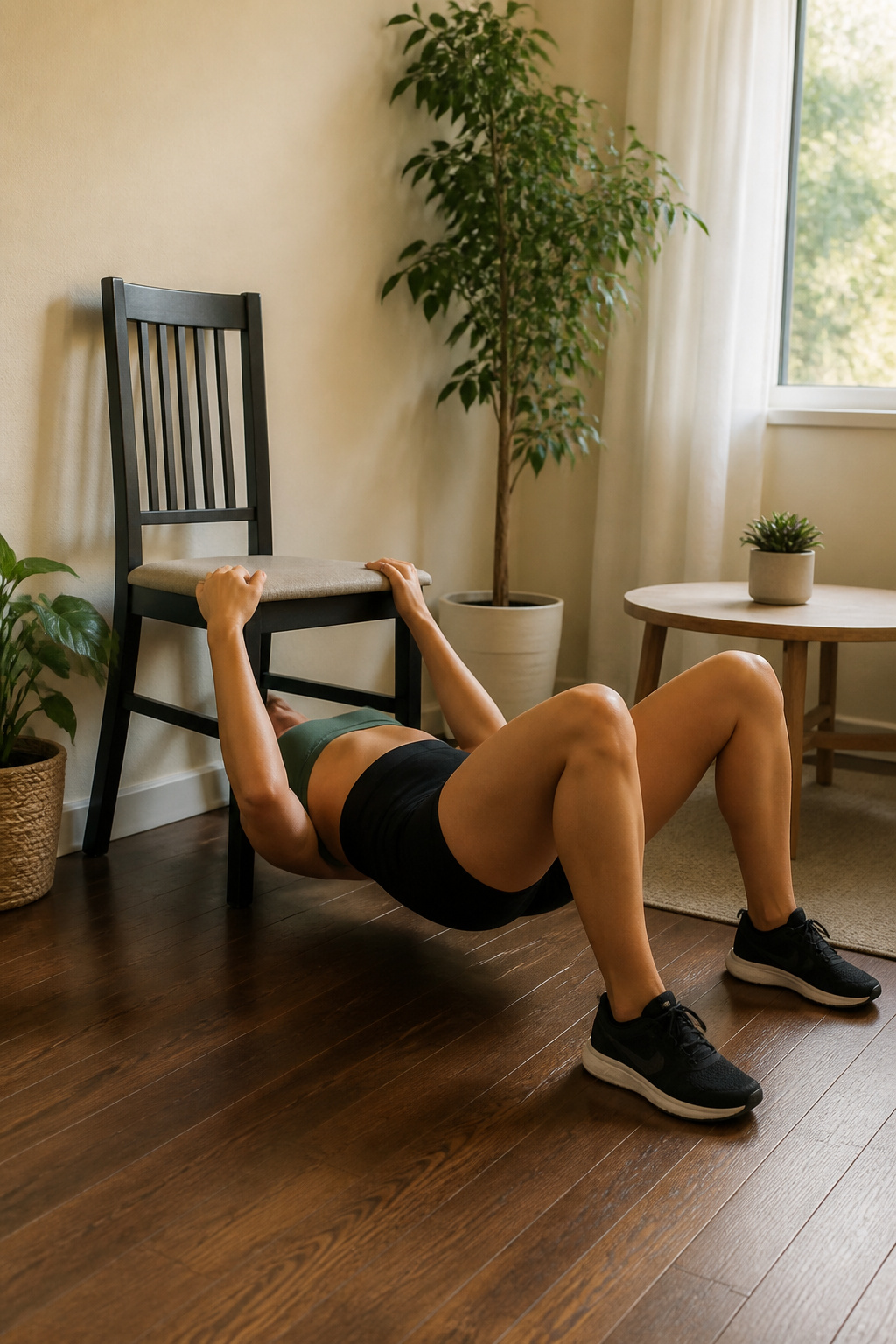
A chair pull-up hits the same latissimus dorsi and midback muscles as the gym version, no bar required. The trick is choosing a chair or table that can take your full weight without tipping; a heavy dining chair pushed against a wall works better than a lightweight desk chair that skids.
Lie on your back with the seat edge at chest height. Extend your legs and drive your heels into the floor for stability. Grip the seat with a hook grip, thumbs underneath and fingers over the top. Keep your body straight in a plank position, core tight, then pull your chest up to the underside of the chair. Squeeze your shoulder blades together and keep your elbows close to your sides. Lower back down with control rather than dropping.
The seated band row works similar muscles if the floor version feels awkward. Loop a long resistance band around your feet, sit tall, and pull with your elbows sliding straight back for the low row, or turn palms down and pull to shoulder height with elbows bent to 90 degrees for the high row. Keep tension on the band throughout.

5-Level Resistance Bands for Full-Body Workouts: Achieve up to 150lbs total resistance with 5 stackable training bands (10-50lbs each). Perfect for home gym equipment enthusiasts, these heavy-duty resistance bands adapt to muscle-building, fat-burning, or rehab goals. Ideal for beginners to athletes seeking full-body workout bands.

High End Exercise Bands. Our 12"³ By 2"³ Heavy Duty Loop Resistance Bands Come In 5 Varying Resistance Levels. This Makes Them Perfect Whether You Are Just Starting To Workout Or A Seasoned Workout Warrior. Our Extra Light And Light Bands Are Great For Beginners, While Our Medium, Heavy And Extra Heavy Exercise Bands Are Targeted For More Intermediate And Advanced Strength Training.

Quality Strength Trainng Equiment: Ultra durable heavy duty resistance band handles for bodybuilders and gym enthusiasts. That thick woven nylon webbing and ABS core grips which proves more durable, max hold up to 560 lbs allowing your to engage in more intense exercise.
Bent-Over Dumbbell Rows
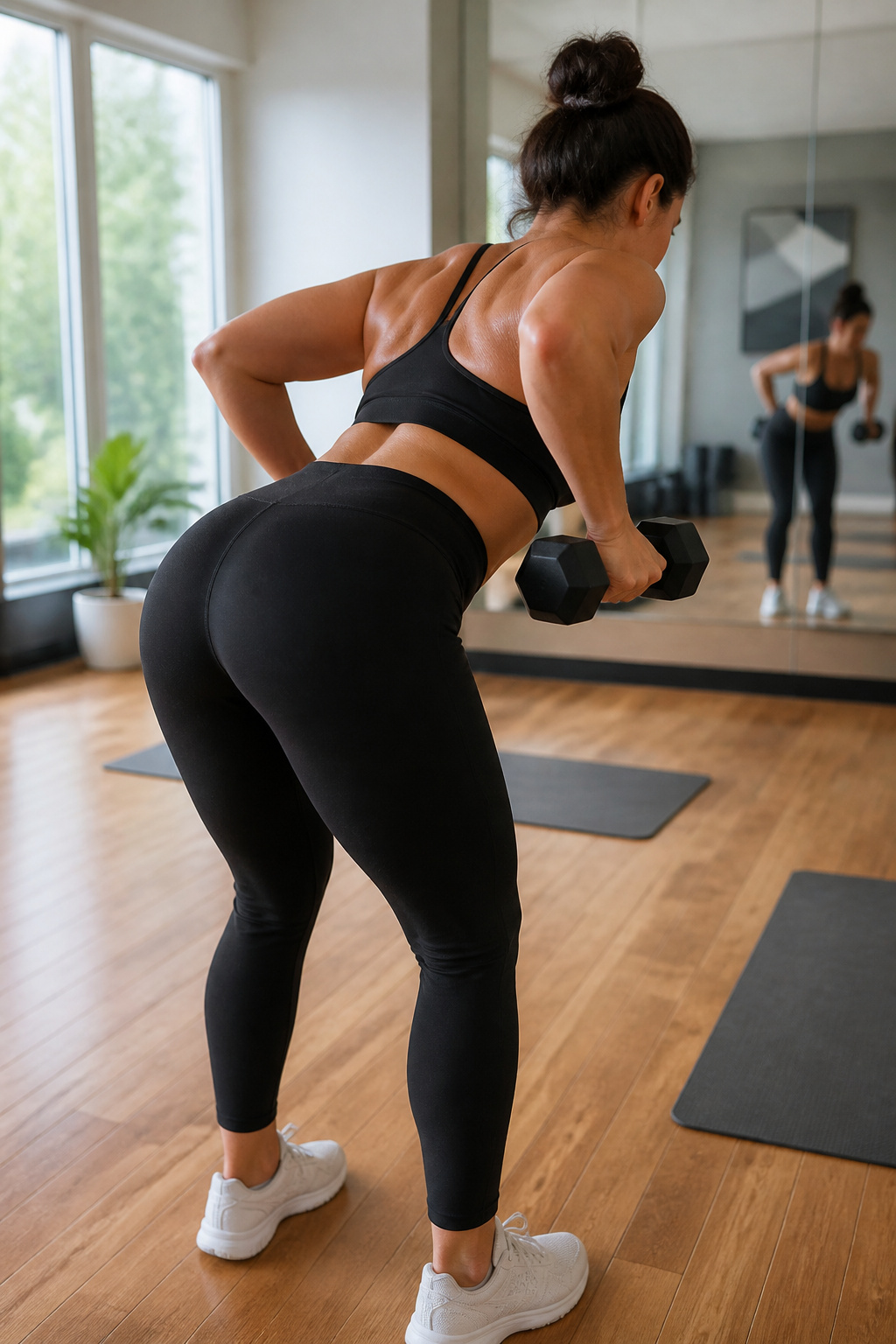
Grab a set of dumbbells or a suitable alternative, and the bent-over row becomes the most direct way to hit the muscles that sit right where bra bulge forms. I hinge at the waist until my upper body sits at roughly a 45-degree angle, back straight, arms hanging perpendicular to the floor. From there, the pull drives the weights toward my waist, elbows brushing close to my ribs, and I pause to squeeze before lowering with control.
The sources split on the angle. Some keep the back nearly parallel to the floor, pulling to the lower rib cage with palms down. Others stay higher, closer to 45 degrees, and keep the dumbbells tracking tight to the thighs rather than letting them drift outward. The imaginary pencil between your shoulder blades is the cue that stuck with me: squeeze there at the top, and you feel the mid-back engage in a way that arm momentum alone never replicates. Both paths work the traps, lats, and rhomboids; the flatter option demands more core, while the steeper hinge lets you load heavier sooner.
Fifteen reps across three sets is a solid starting prescription. If the lower back protests, the lunge-position variation shifts some of the stability demand and lets you keep the row in rotation.


WHAT’S IN THE BOX: Add an extra challenge to your resistance training with a TRX long resistance band in a full-body size. This band has a 5- to 15-pound resistance amount. We offer multiple weights to choose from, so you can perfect your ideal resistant-band workout routine.

[PREMIUM LONG WORKOUT BANDS ] - Long resistance bands for working out is made of high quality cotton polyester material which won't rolling up during workout. Our body bands provided BETTER elasticity and LESS tear or snap after each workout. Grille cloth and soft fabric material of long exercise bands is NOT likely to be further irritated by pressure or digged into your skin. Ensure durability of long loop resistance bands, extended exercise bands for working out lifespan.
Superman
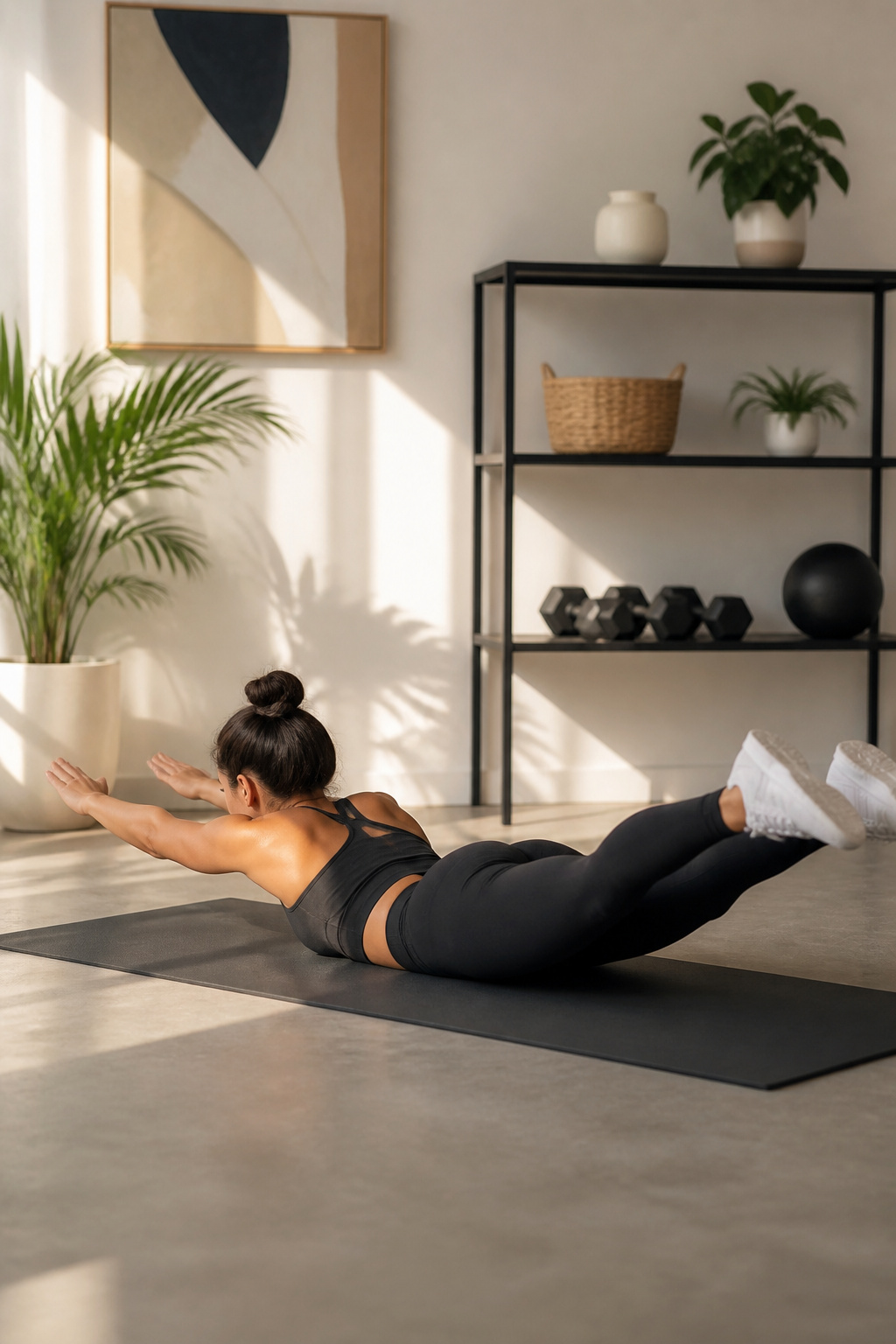
The floor work that shifted my posture came late in my routine, not because it is hard but because it looks too easy to take seriously. Lie face down on the ground with your arms extended out in front of you, head relaxed, tops of your feet on the ground. From there, raise your legs and arms a few inches while keeping your gaze toward the floor, pause a second or two, then lower with control. Your lower back, glutes, and hamstrings do the work.
What sold me was the connection to what happens above it. A stronger lower back lets the shoulders sit where they belong instead of rolling forward, and that shoulder position changes how the bra line looks from the side and back. The move also comes in a stricter back-extension version: hands at your temples, elbows wide, lifting shoulders and chest while squeezing shoulder blades together, chin slightly tucked to protect the neck. Some days I add the leg lift for more intensity, some days I keep it simple. Lift only as far as your body feels comfortable; the posture gain comes from consistency, not height.

32 LB SET WITH RACK: Set includes 8lb, 5lb, & 3lb neoprene pairs and durable plastic stand, easy to assemble with screwdriver
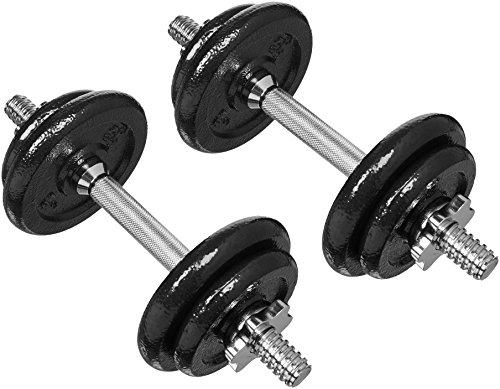
Set of 2 dumbbells (38 pounds total weight): TWO 3-pound dumbbell handles, FOUR 2.5-pound plates, FOUR 5-pound plates, and FOUR 0.5-pound collars
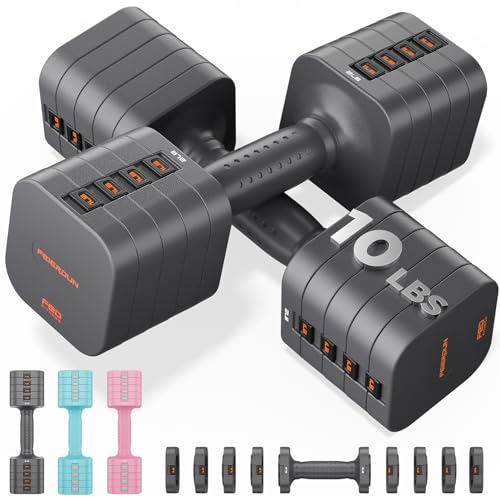
【5 Weights in 1 Set】Adjustable weights for every fitness goal! Customize your routine effortlessly. Whether toning (2-4 lbs), burning fat (4-6 lbs), or building strength (6-10 lbs), this adjustable set adapts to your needs. Easily achieve your fitness goals with just one set of FEIERDUN dumbbells.
Seated Overhead Press
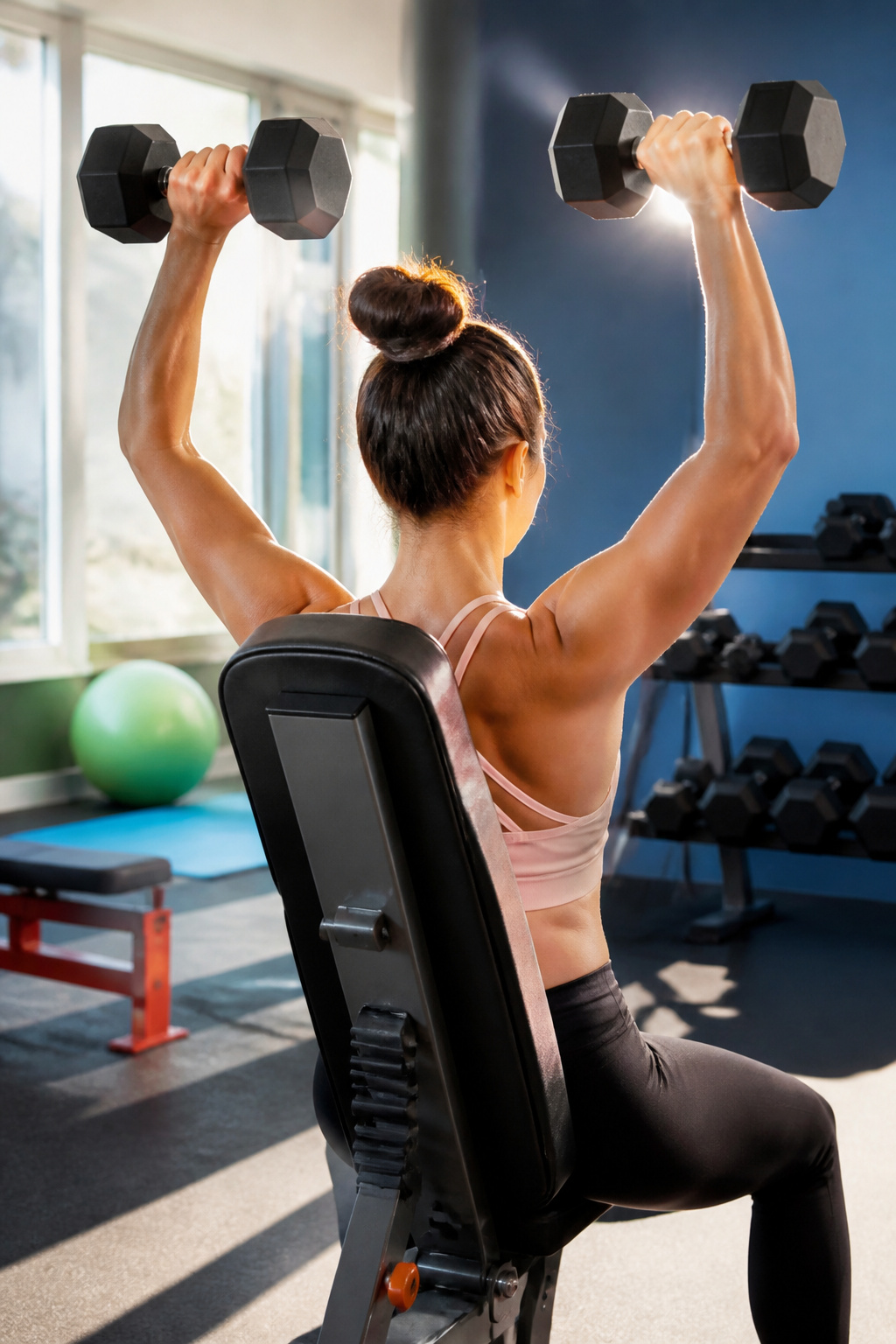
A seated overhead press keeps the work where bra fat exercises need it: upper arms and shoulders, without the core stealing part of the load. That focus matters if you’re after definition around the bra line rather than another all-over move.
The setup is simple. Sit with a dumbbell in each hand, palms facing inward, weights resting at shoulder height. Brace your core and press both weights straight up until arms extend fully overhead, then lower back to start. The motion engages the entire shoulder girdle; the deltoids drive the press while the upper back muscles stabilize the shoulder blades throughout.
Those stabilizers, the rhomboids and rear deltoids, are exactly the muscles that create visible shape around the bra strap area when strengthened. You cannot spot-reduce fat, but building strength in these specific muscles plus regular cardio helps tone the area and reduce overall body fat.
The seated position removes the temptation to arch your back or use leg drive, which means lighter weights go further and the shoulder girdle does the actual work. Start with a weight that lets you complete 10 clean presses; if the last two reps feel shaky, that is the right load.

Compact Full-Body Gym: This all-in-one assisted pull up and dip machine condenses a full gym into a compact piece of equipment. It allows you to perform pull-ups, dips, and vertical knee raises, training your arms, chest, shoulders, and abs with just one machine. With a footprint of just 14.26 square feet, it is the ideal space-saving choice for home workouts or apartment fitness.

[Versatile Resistance Bands for Varied Workouts]: Elevate your exercise routine with HAPBEAR's multifunctional pull up assistance bands. Ideal for pull-up assistance, enhancing push-ups, speed training, squats, shoulder presses, barbells, dumbbells, and more.

Adjustable Heavy Duty Pull up Assistance Bands:Pull up bands comes with Three 75-pound resistance bands,75lb to 225lbs of Resistance level,ideal for fitness pros & beginners. Whether you are weight or thin, If you have a hard for pull up exercises, you can try our pull up assist bands.Starting with 1 assist band, the pull-up band kit will allow you to gradually increase your strength until you can do a full pull-up entirely on your own. It can help you build a strong body.
Scapular Wall Slides
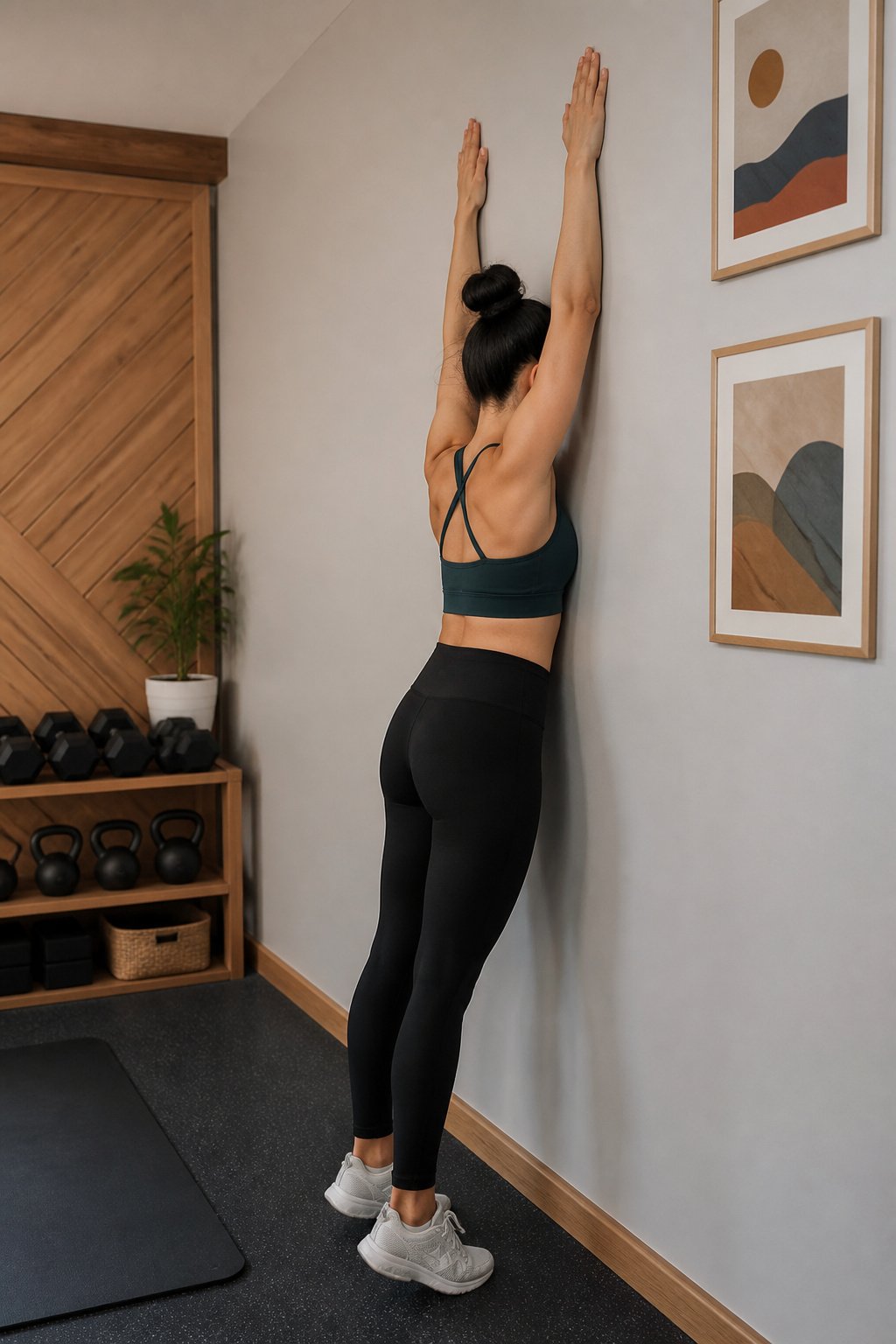
Scapular wall slides, sometimes called arm slides, work shoulder mobility, posture, and upper back strength in one slow controlled motion. The wall gives feedback most people miss in free-standing exercises: your head, upper back, and glutes stay pressed to it while your arms slide from a 90-degree bend up toward extension and back down, elbows and wrists never losing contact. That constraint forces the scapulae to move properly, which matters because poor scapular movement and weak back muscles both contribute to bra bulge. When the shoulder blades sit in better position, the torso looks longer and the tissue around the bra line sits smoother. Better posture from improved scapular mechanics reduces the appearance of bulge even before muscle definition changes. The latissimus dorsi, rhomboids, and rear deltoids all engage through the range, building the upper back strength that holds that improved posture in daily life. Move with control; rushing turns a posture fix into a momentum exercise and loses the activation that makes it worth doing.

5 STACKABLE RESISTANCE LEVELS —Choose 10, 20, 30, 40 or 50 lb, or connect multiple bands for up to 150 lb. This adjustable resistance bands set makes it easy to move from warmups and mobility work to progressive strength training without changing equipment.

High end exercise bands. Our 12″ by 2″ heavy duty loop resistance bands come in 5 varying resistance levels. This makes them perfect whether you are just starting to workout or a seasoned workout warrior. Our extra light and light bands are great for beginners, while our medium, heavy and extra heavy exercise bands are targeted for more intermediate and advanced strength training.

Assisted Pull-Up Progression: Loop a band on the bar and step in; the set supports 15–125 lb of your bodyweight so you can finish pull-ups, chin-ups, and dips. Move to a lighter band as you progress
Reverse Fly
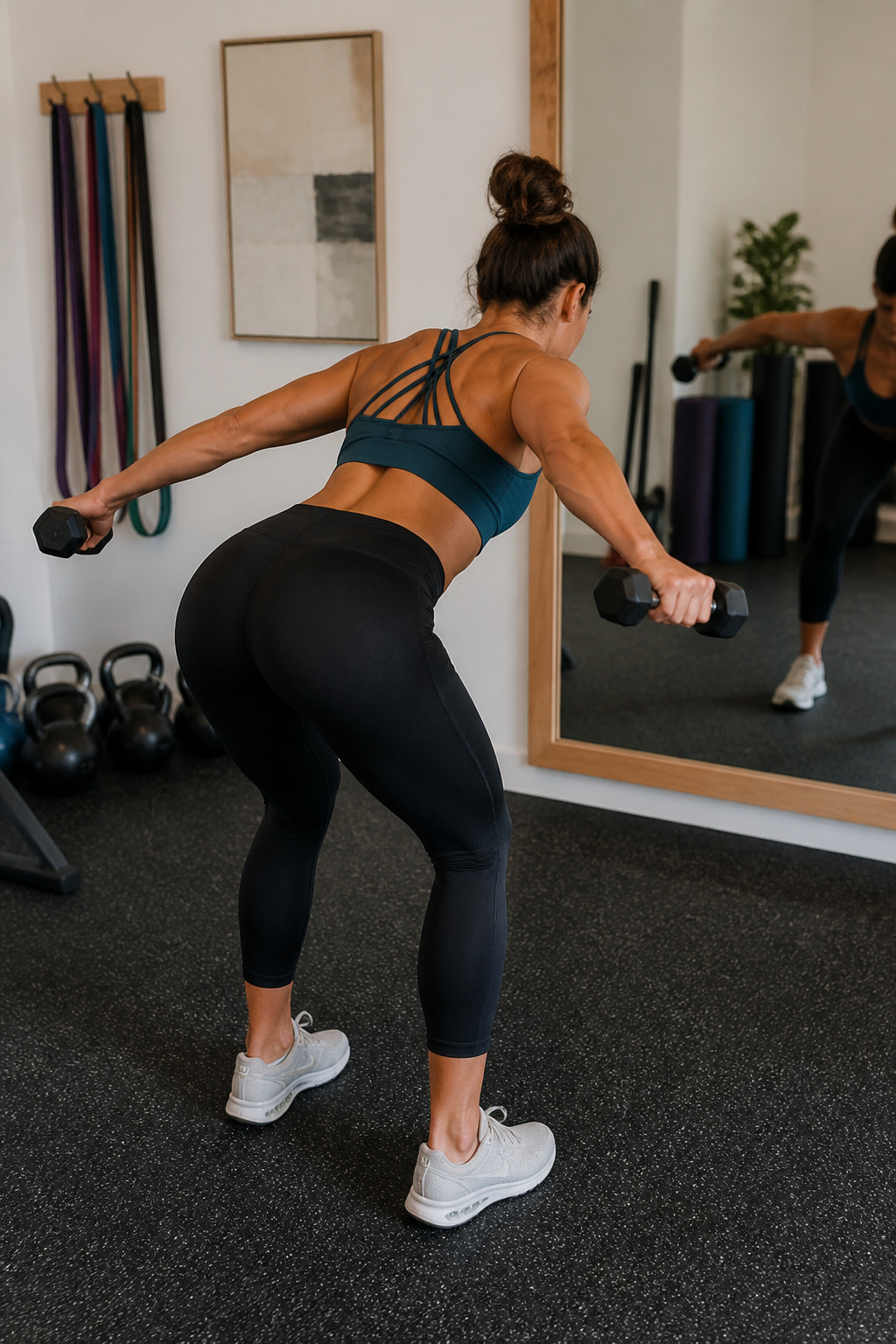
The reverse fly is where I finally felt the difference between moving weight and actually targeting the rear delts. Stand with your feet shoulder-width apart, holding light dumbbells at your sides. Hinge forward slightly at the hips, letting your arms hang with palms facing each other and a soft bend in the elbows. From there, raise your arms out to the sides like wings, squeezing your shoulder blades together at the top without hiking your shoulders toward your ears. Lower with control.
The slight bend forward shifts the work from your front delts to the upper back, where bra bulge actually lives. Beginners should start with 5–10 pounds; anything heavier and the lower back starts helping, which defeats the purpose. Keep your core tight and knees soft for stability. Three sets of 12–15 reps, three or four times weekly, is the frequency that shows visible change.

Stackable resistance bands set: Five color-coded tubes are rated at 10, 20, 30, 40 and 50 lb and can be used alone or together for up to 150 lb combined, so resistance changes with each exercise

VERSATILE WORKOUT BAND: Resistance band supports a variety of popular exercise routines at home or the gym, including assisted pull-ups, chin-ups, biceps curls, calisthenics, and stretching
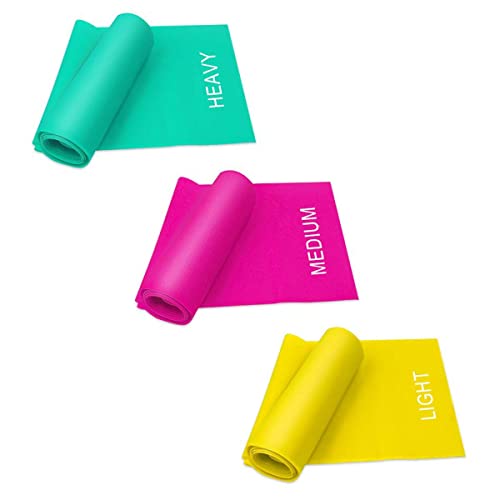
DIFFERENT LEVEL RESISTANCE: Yellow band - Light; Rose Red - Medium; Green - Heavy. Easily adapt resistance levels during your workout for various muscles, which can help you boost stamina, flexibility, and range of motion.
Resistance Band Pull-Down
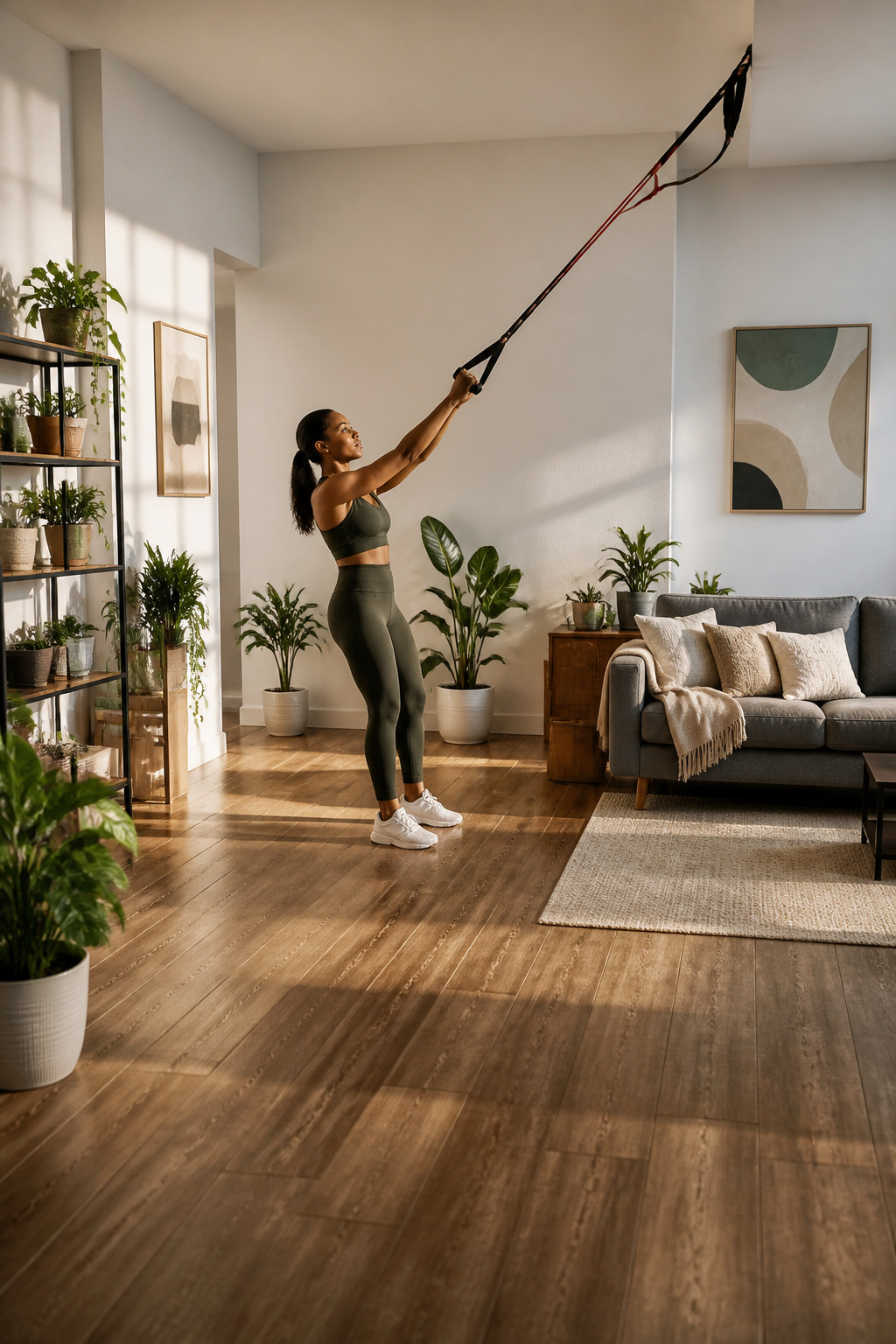
A resistance band pull-down does for your living room what the lat pull-down machine does for the gym. Hold the resistance band in both hands with arms raised at a 45° angle, elbows soft but not locked. The band should already have light tension overhead, not hanging slack. Pull down by bending your elbows and drawing your hands toward your chest, then return with control. The slower you move, the more your back muscles fire, so count two full seconds on the way back up. Most people rush the release and lose half the benefit. Separate your hands slightly as you pull, keeping the band taut, and avoid letting your shoulders creep toward your ears. Ten to twelve reps per set is the standard range, and two or three sets will do real work on the area just under and behind the bra strap.
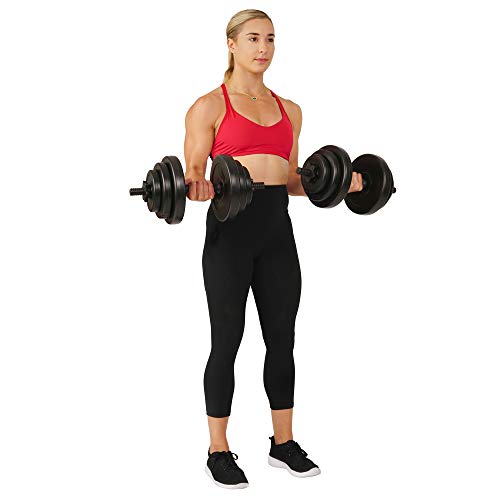
40 POUNDS: Each set comes equipped with a pair of dumbbells with enough weight to create 2 dumbbells weighing 5 pounds, 10 pounds, or 20 pounds.

5 in 1 Adjustable Dumbbell Set:This dumbbell set can be assembled into dumbbells, barbells, kettlebells,push up stand and weight plate,allowing you to deeply experience various exercise methods and fully enjoy all-round fitness

32 LB SET WITH RACK - Includes 3 pairs of neoprene dumbbells in 3 lb, 5 lb, 8 lb weights plus a storage rack for organized, progressive resistance training.
Plank Row
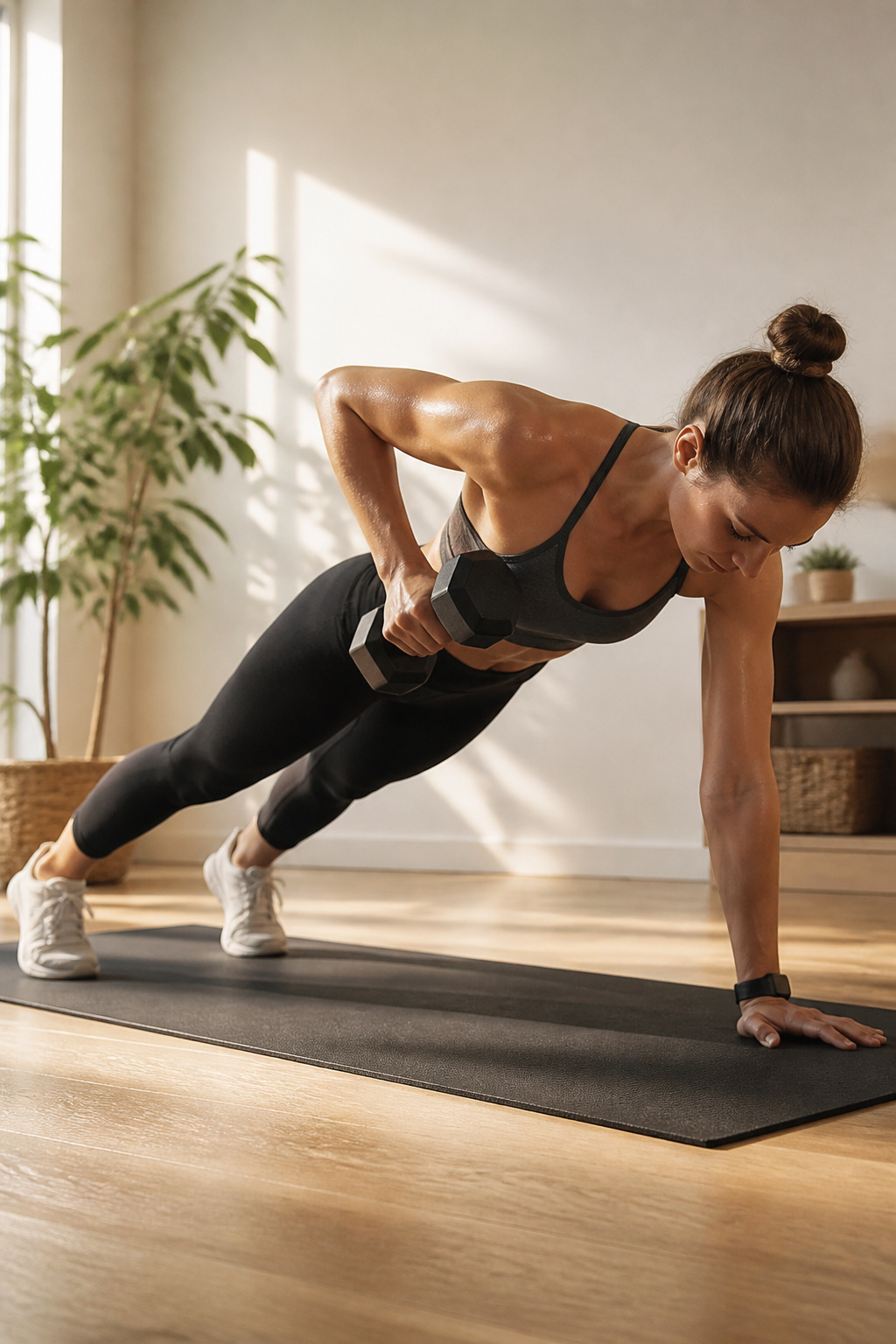
A plank row asks the core to do two jobs at once: hold the body still while the back pulls weight. Start in a plank position with a light dumbbell in each hand, feet wider than hip-width for balance. The real test is keeping your hips level when one arm rows. That anti-rotation challenge is what separates a core exercise from a back exercise, and here you get both.
Pull one dumbbell toward your hip, grazing your side, while the opposite arm stabilizes. Squeeze the shoulder blade toward the spine at the top, then lower with control. The first time I tried these, my hips swung like a door hinge; the fix was a lighter weight and a wider stance. Alternate sides for 8–12 reps, 3–4 sets. The lats and rhomboids do the pulling, but the obliques and transverse abdominis earn their keep by refusing to let the torso twist.

【Adjustable Resistance – Perfect for All Fitness Levels】Customize your workout with this heavy-duty pull up assist band system featuring 4 latex resistance bands (each 80lbs). Whether you're a beginner struggling with pull-ups or an advanced user aiming to boost endurance, this pull up assistance band suits all levels. Recommended weight for Users up to 176LBS (80KG)
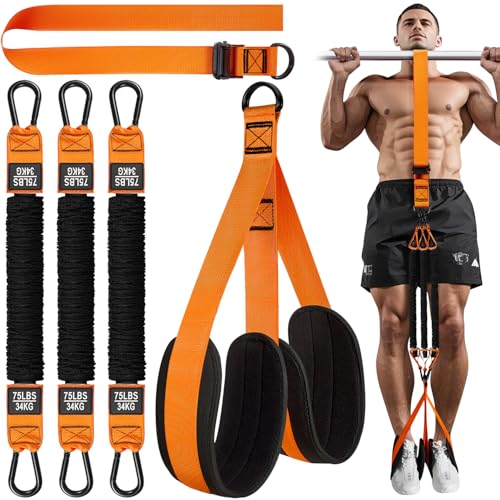
Pull up Assistance Bands Set: It comes with 3 elastic bands, ideal for fitness pros & beginners. If you have a hard time getting chin-ups, you can try our pull up assist bands. Starting with 1 assist band, the pull-up band kit will allow you to gradually increase your strength until you can do a full pull-up entirely on your own.

【From Zero to Your First Pull-Up】Struggling to complete a full pull-up? EPHESPORT pull up assist machine helps beginners start with support and gradually build real upper-body strength. Train toward cleaner reps, better control, and your first unassisted pull-up at home.
Side Plank Variations
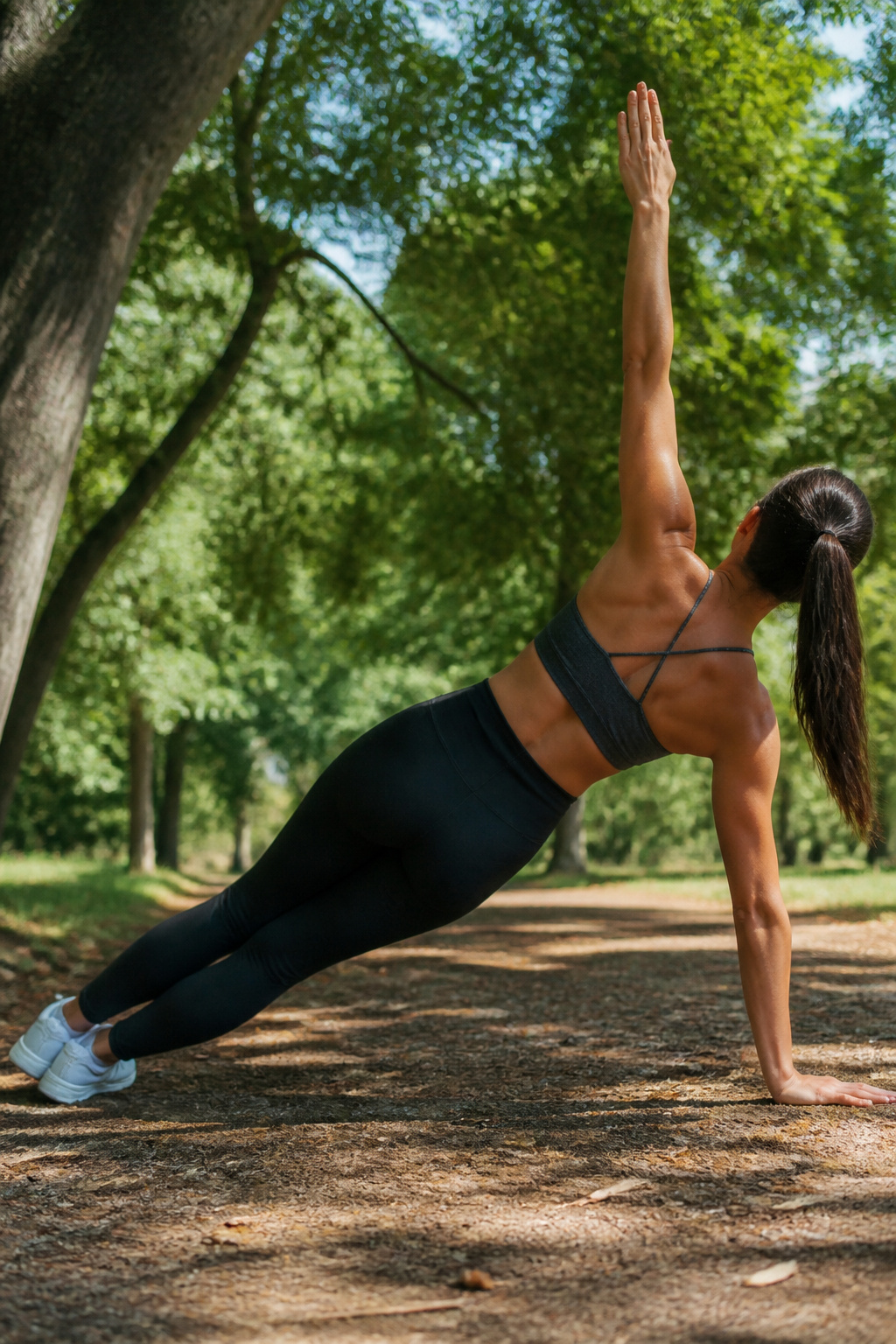
Side plank variations hit the obliques and the deep stabilizers along the sides of the torso, right where bra fat tends to pool. Begin lying on one side, with your elbow under your shoulder, feet stacked or crossed for balance. Lift the hips into a straight line and reach your top arm toward the ceiling. From there, thread that free arm underneath the body while rotating the shoulder and hips toward the floor, then unwind back up. The rotation forces the lateral core to control the twist rather than letting momentum take over, which is where the real work happens.
Some guides keep the arm extended overhead without the rotation, holding the static position instead. Both versions work, but the threaded-arm version adds the oblique challenge that directly targets the sides. Hip dips are another add-on: from the plank, drop and lift the hips slightly for extra activation. The forearm position also doubles as wrist relief if floor planks usually bother you. Whichever version you choose, keep the hips lifted; letting them sag turns the exercise into a shoulder strain instead of a core builder.

【Premium Quality】 3 Exercise Bands with Color-coded Resistance Levels (Light, Medium, Heavy), Made from Upgraded Rubber Material, Not Sticky Material, Eco-Friendly, Non-Toxic, Latex-Free, People with Latex Allergie can also Use It Safely.
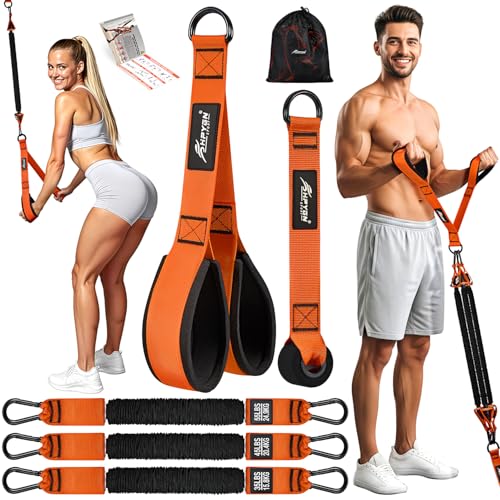
COMPLETE HOME GYM KIT: Includes 35lbs, 45lbs, and 55lbs exercise bands, 1 door anchor, 2 cushioned handles, and a user manual – everything you need to start training instantly, no extra purchases. With this tricep workout equipment kit, achieve a well-rounded workout that boosts and physical performance.

Premium Package: WIKDAY professional resistance loop bands includes 5pcs different levels , they are all 6in length and 2in width, but different thickness. According to your training needs at different stages, you can match the exercise bands with the appropriate resistance level, So Whether you are a fitness beginner, or a exercise warrior, WIKDAY workout bands will be your perfect choice
What Causes Bra Fat
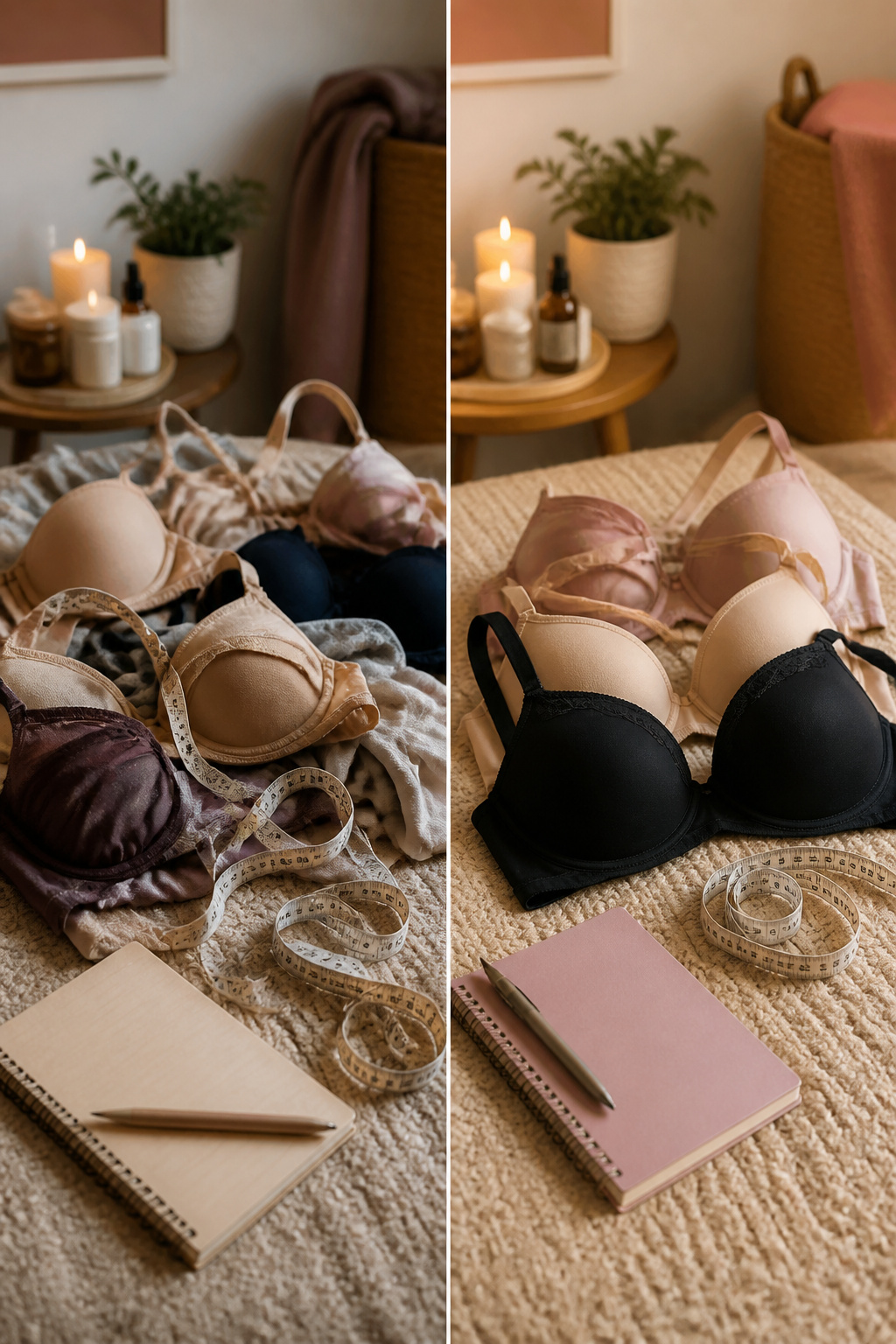
Bra bulge is not always fat at all. Before I started hunting for bra fat exercises, I spent a year blaming softening back muscles when the real problem was a band sitting two sizes too tight. The pressure divided what was otherwise smooth skin into visible panels, and no amount of cardio changed it. A professional fitting dropped me from a 36C to a 34DD, and the line I had been fighting disappeared before I finished a single workout.
What actually drives bra-area fullness usually mixes several factors. From the mid-30s onward, growth hormone levels decline in a process called somatopause, making it harder to build new muscle and easier for existing back muscle to soften into fat. Hormonal shifts through perimenopause accelerate this, and the muscles that run along the back (including the glutes, hamstrings, and the full back chain) weaken faster than front-body muscles because daily life rarely calls on them. Poor posture folds softer skin into visible creases that read as bulge even when body fat is moderate.
"Each 10 year period, starting from 30 years of age, it becomes more noticeable how hard it is to shift, especially around the ‘love handles’, ‘muffin tops’ and behind the bra strap… Lower amounts of growth hormone make it harder to build new muscle and maintain what we have already."
That timeline matters because it sets expectations: the softness you notice at 42 took years to arrive, and it will take consistent, targeted work to reverse. A properly fitted bra is the fastest fix for appearance, but it does not replace the muscle work that keeps the area firm underneath.
Why Diet Matters More Than Any Exercise
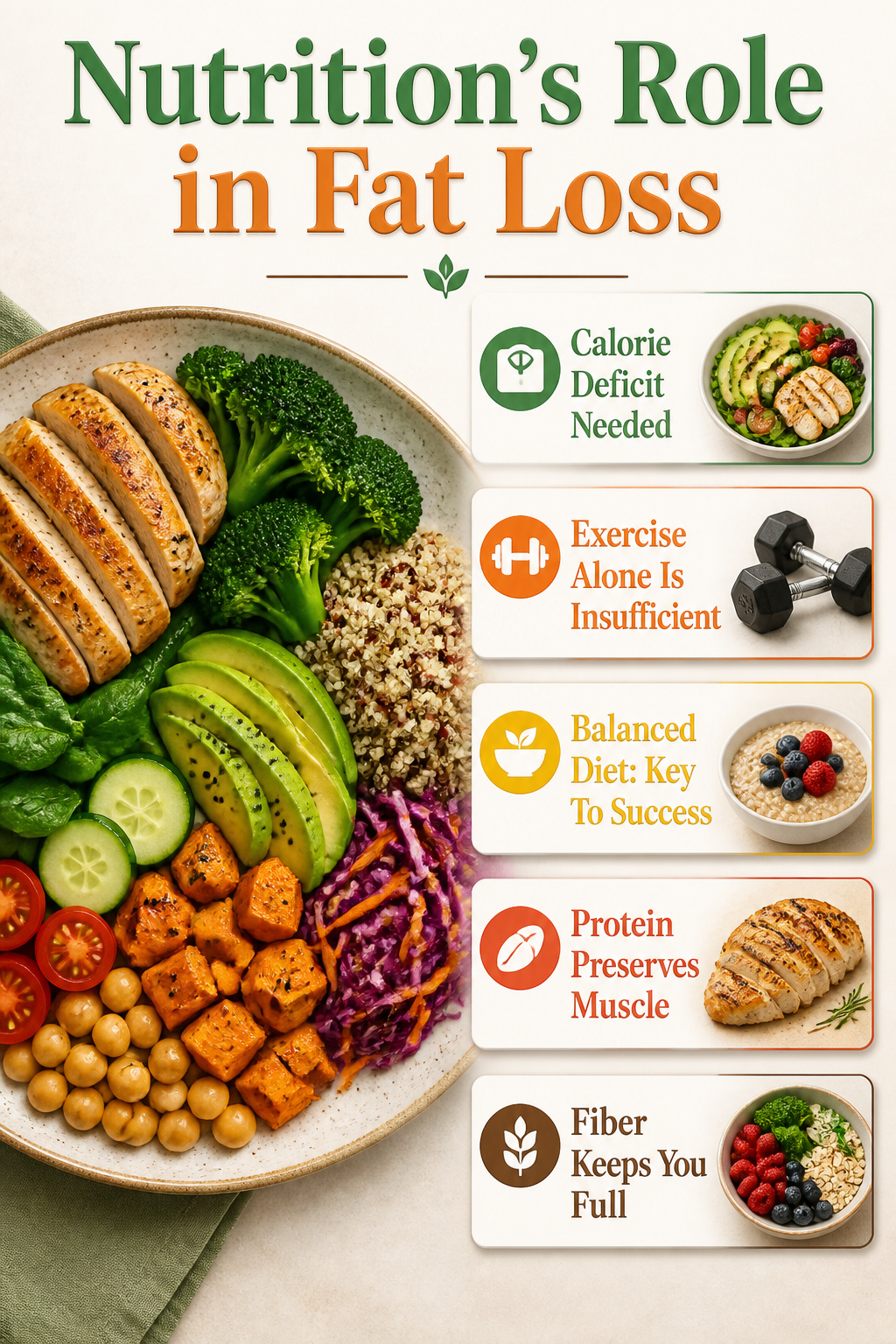
Exercise alone will not burn off bra bulge. The shape of your back and sides is built in the kitchen more than in any gym, and a calorie deficit is what actually pulls fat from storage.
I learned this the hard way after months of consistent workouts with barely visible change. The body does not negotiate on this: it pulls fuel from everywhere, not just the area you trained. Spot reduction is a myth that keeps circulating because it sells, but fat leaves the body systemically, driven by genetics and hormones you cannot redirect with extra rows or push-ups.
A balanced diet rich in protein and fiber keeps metabolism steady and hunger manageable while you run that deficit. Protein preserves muscle through the cut; fiber adds volume that fills you up without adding calories back in. Pair that nutrition with the exercises, and the combination does what either half alone cannot. The patience part is real, but the mechanism is not complicated.
How Often to Do These Exercises
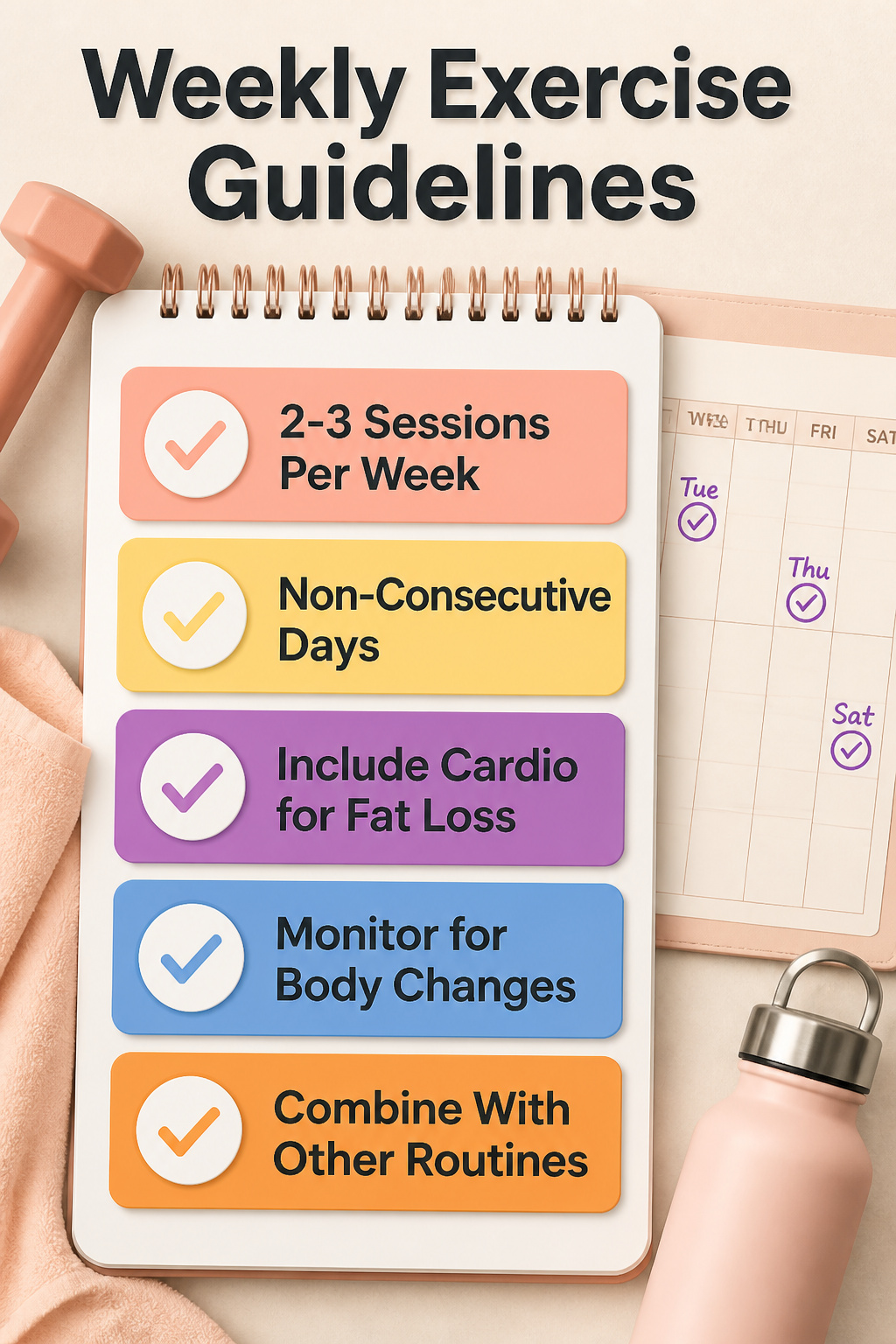
Most trainers land on 2–3 sessions a week for targeted back work, spaced out so the muscles actually recover between rounds. That frequency lets the latissimus dorsi, rhomboids, and rear deltoids rebuild rather than break down again the next morning. I slot mine on non-consecutive days, Tuesday and Thursday, sometimes Saturday if my week loosens up.
The exercises alone will not outpace a desk job and a sugar habit. Pairing them with consistent cardio is what shifts overall body fat enough for the muscle definition to show through. Give that combination real consistency and small changes typically surface within two to three weeks, though body type and daily movement vary enough that some need longer. I treat the bra bulge work as one thread in a larger routine rather than the whole fix.
Frequently Asked Questions
What causes back fat?
Back fat around the bra line comes from several factors working together. From your mid-30s onward, declining growth hormone levels make it harder to build muscle and easier for existing back muscle to soften. Hormonal shifts through perimenopause speed this up, and poor posture folds softer skin into creases that look like bulge. An ill-fitting bra can also create visible lines and pressure that mimic fat even when body fat is moderate; a professional fitting sometimes fixes the appearance immediately.
How can I get rid of bra fat?
Combine targeted back exercises, consistent cardio, a balanced diet in a calorie deficit, and a properly fitted bra. The exercises in this article work the latissimus dorsi, rhomboids, and rear deltoids to build muscle definition and improve posture. Pair that with 2–3 weekly sessions and overall fat loss through nutrition, and small changes typically show in two to three weeks. The bra fitting alone can eliminate visible bulge if the band was too tight.
Can I spot reduce fat?
No. Your body pulls fuel from everywhere, not just the area you trained. Fat leaves systemically, driven by genetics and hormones you cannot redirect with extra rows or pull-downs. Building strength in your back plus regular cardio helps tone the muscles and reduce overall body fat, but only a calorie deficit actually removes stored fat. That combination does what either half alone cannot.