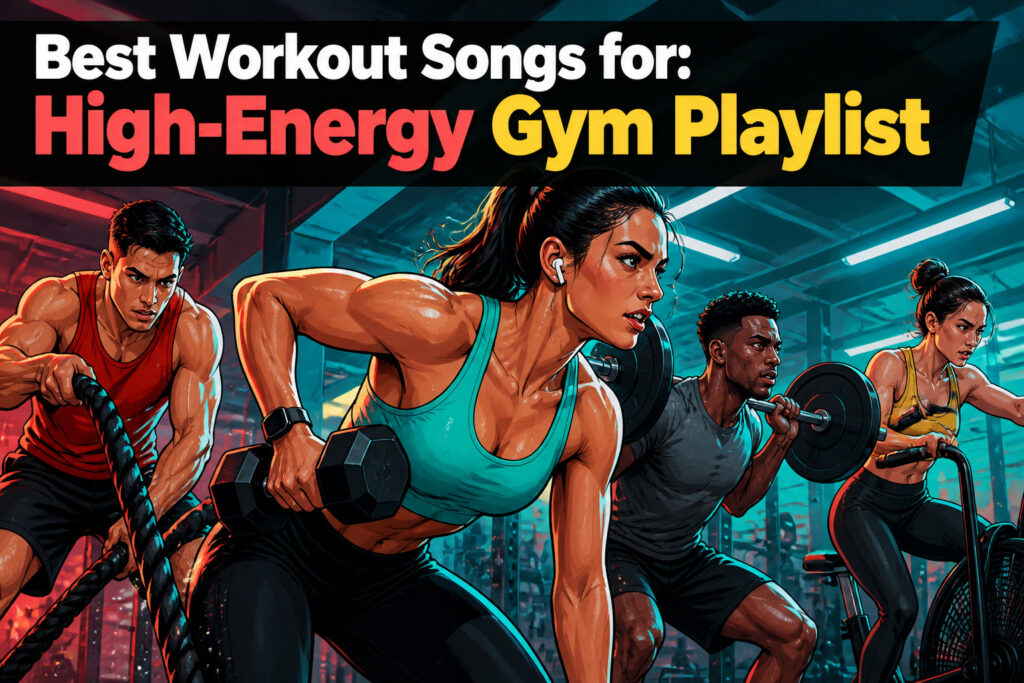
"Lose Yourself" at 171 BPM is the pick for anyone who needs their brain to override screaming legs in the final push. Eminem’s verses stack pressure like intervals until the hook carries you forward instead of against you. Skip it if lyrics pull your focus from form; the verbal density fights your breathing instead of fueling it.
1. Lose Yourself
"Lose Yourself" lands on the playlist at a driving 171 BPM, a pace that matches the final minutes of a hard effort when the legs want to quit and the mind has to take over. Eminem’s verses build like intervals, each one stacking pressure until the hook drops and the tempo feels like it carries you forward rather than against you.
The lyrics work because they mirror what a tough session actually asks: shutting out doubt, counting down seconds, treating the moment as the only thing that exists. That final push of a hard session, whether it is the last quarter mile or the final heavy set, benefits from a track that sounds urgent rather than celebratory.
Not everyone gets the same lift from it. Rap’s density of words and its forward-leaning aggression can pull focus for listeners who process lyrics as conversation rather than texture. If verbal storytelling splits your attention from your breathing or your form, this one drives distraction instead of momentum. Instrumental or sparser vocal tracks serve that brain better.

![55 Top Hits - Workout Mixes (Unmixed Workout Music Ideal for Gym, Jogging, Running, Cycling, Cardio and Fitness) [Clean]](https://m.media-amazon.com/images/I/612w3pstIvL._SL500_.jpg)

Unresponsive Punching Pads?丨Our music boxing machine features a 5-point sensor chip ensures lightning-fast feedback. Feel every light punch connect instantly for a seamless rhythm flow.
2. Stronger
"Stronger" by Kanye West samples Daft Punk’s "Harder, Better, Faster, Stronger," a pairing that still feels inevitable in a weight room. The beat clocks in at 104 BPM, a tempo that sits just under the 120–140 range typically cited for strength training, which means it works better for slow, controlled reps than for explosive power work. Lifters chasing speed on cleans or snatches will want something faster; everyone else gets a steady backbone for their set.
The hook, built around "that that don’t kill me can only make me stronger," lands as a mantra when you’re under a bar you weren’t sure you’d move. I tend to slot this one in on deadlift days, not sprint intervals. The production, which udiscovermusic notes as a pop-hip-hop pivot point, has enough low-end thump to cut through gym noise without turning into chaos.

FlipHook technology for versatile wearing style: Flexible two-way design allows you to wear the headphones either in-ear or behind-the-ear.


Breathable Comfort: Made from lightweight fabric that feels soft against the skin. This breathable, moisture-wicking, and stretchy material keeps you cool and comfortable through every swing, stride, or serve.
3. Eye of the Tiger
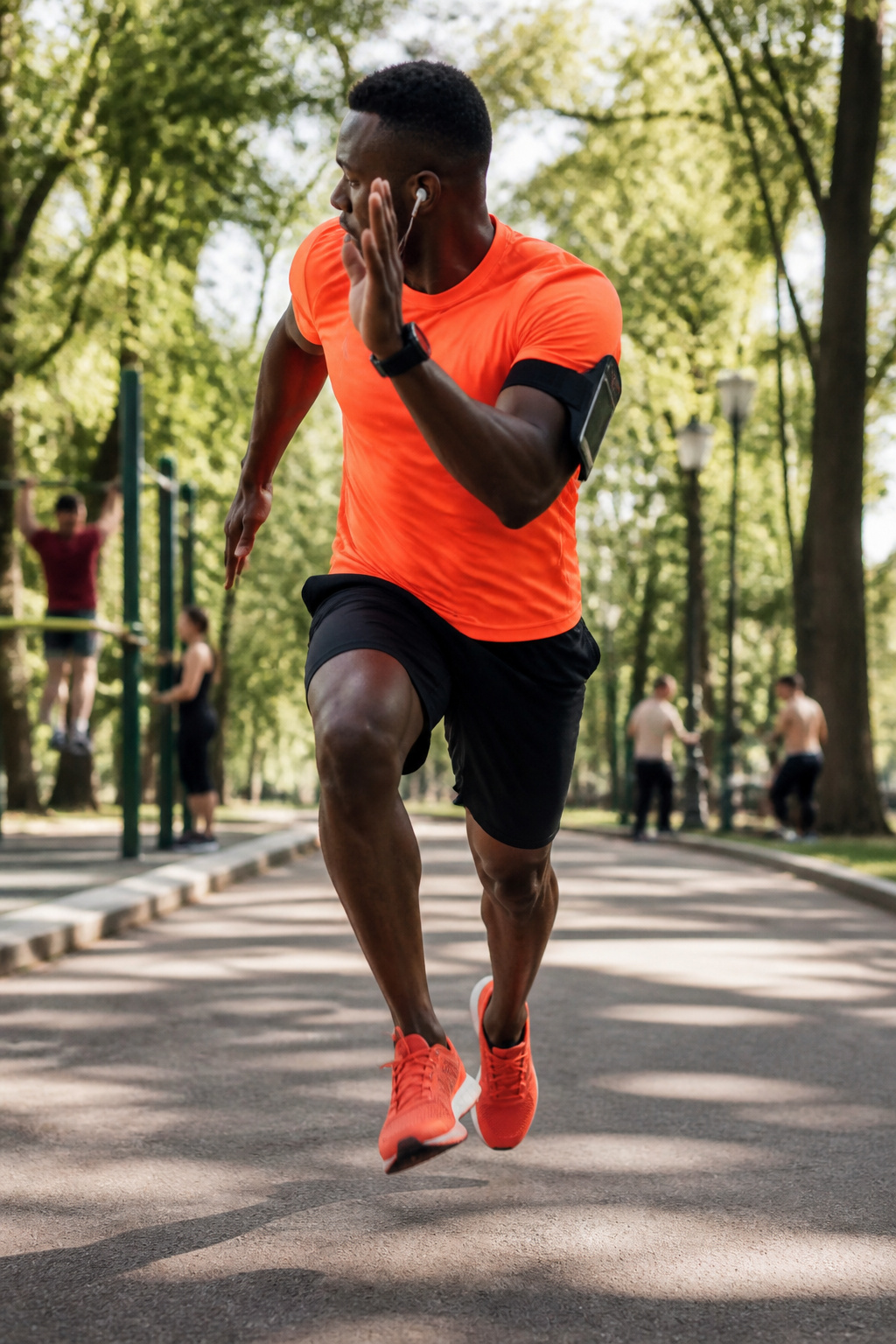
At 109 BPM, Survivor’s track lands in that moderate zone that works for steady-state cardio or the buildup phase of a warmup rather than an all-out sprint. The opening guitar riff still does what it did in 1982, and that is the whole point. Your brain hears it and the Rocky III montage starts playing automatically, which for some people means an instant surge of effort without having to think about it.
The catch is the nostalgia itself. If hearing those opening notes makes you roll your eyes rather than straighten your posture, this song will work against you. The decades of parody and commercial use have layered enough irony onto it that the automatic reaction for some listeners is cringe, not drive. For everyone else, the track keeps showing up on gym playlists because the association is that deeply wired. Four separate sources still include it, not out of obligation but because enough people still respond.
I have watched friends split cleanly on this. The ones who grew up with the film or caught it later as a classic get a measurable second wind. The ones who find that kind of retro-motivation corny will skip it within ten seconds, and forcing it just breaks concentration. Know which camp you are in, because there is no middle ground with this one.

Flexible Fit: Sport X20 workout earbuds come equipped with adjustable ear hooks that can be extended and rotated for a comfortable and secure fit. Up to 30 degrees rotation and 4mm extension, customize the position to fit you perfectly.

Note : If the size of the earbud tips does not match the size of your ear canals or the headset is not worn properly in your ears, you may not obtain the correct sound qualities or call performance; Change the earbud tips to ones that fit more snugly in your ears

*IMPORTANT* Please be sure to dry your earbuds before placing them back in the case to charge and make sure the case is completely dry as well. Although these earbuds are IP68 waterproof, the charging case is not waterproof.
4. Uptown Funk
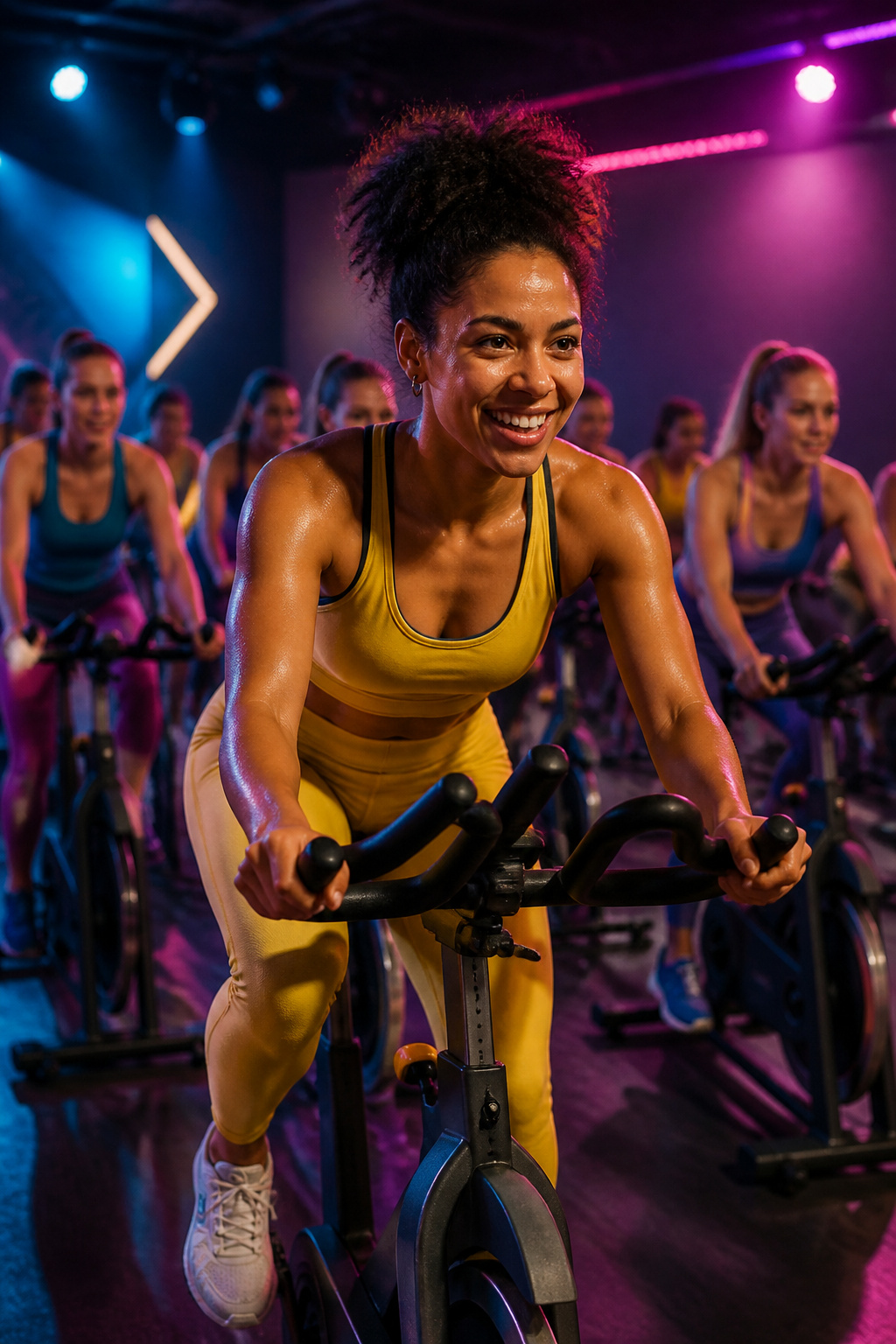
Mark Ronson’s "Uptown Funk" lands at 115 BPM, a tempo that sits in the pocket for steady-state cardio without pushing into the red zone. The brass-heavy groove gives your feet something to chase, and the song’s structure keeps throwing in new elements so the same four bars don’t loop until your brain checks out.
I keep this one for the elliptical or a long indoor row, not the road. Bruno Mars’ vocals stay front and center the whole track, which means runners who need lyrics to disappear into will find themselves pulled out of rhythm every time a new phrase drops. For everyone else, the shifting sections, pre-chorus build, and horn stabs do the work of a playlist change without you touching the phone.
The track shows up on plenty of "best workout songs" lists for cardio, and the logic holds: it is upbeat enough to keep energy high without the aggression that burns you out ten minutes in. The catch is the same thing that makes it fun. If you are the type who zones out to a beat and forgets you are exercising, this one keeps tapping you on the shoulder.


5. Can’t Hold Us
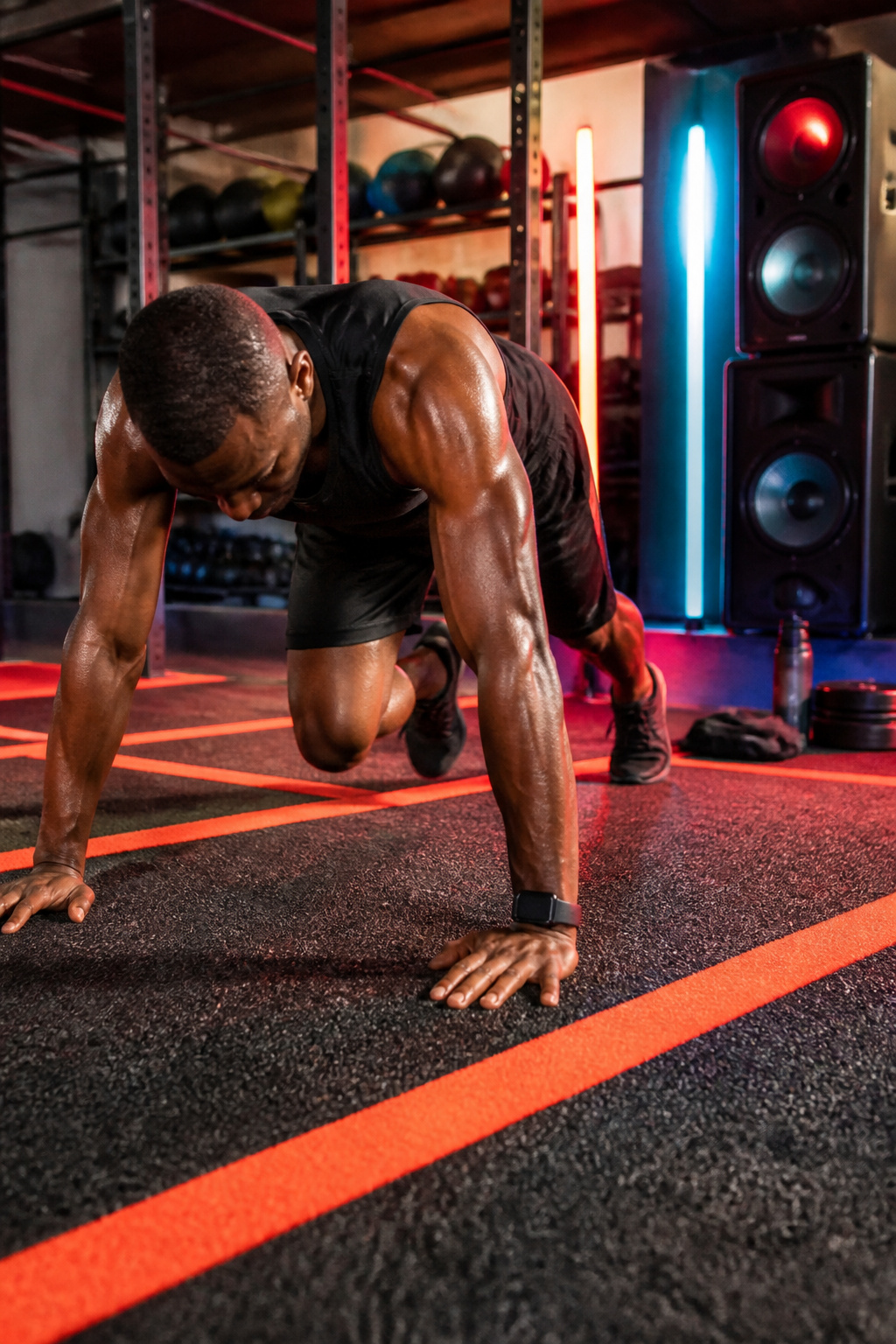
The piano hook in Macklemore & Ryan Lewis’s "Can’t Hold Us" lands almost immediately and doesn’t let up, which is exactly what carries you through the second half of a workout when your legs are heavy and your form starts slipping. The tempo builds like someone pressed an accelerator pedal, climbing toward 146 BPM at its peak, and that mirrors how a good session actually feels: controlled at first, then suddenly urgent. Ray Dalton’s vocals hit with enough force to push through the kind of fatigue that makes you want to rack the weights early. This one belongs on cardio days, HIIT circuits, anything where momentum matters more than precision. Anyone doing measured, slow lifts like heavy deadlifts or controlled eccentric work should skip it; the song’s urgency fights against the patience those movements demand, and patience usually wins when the bar is loaded.


Rich & Efficient Functions: FURFAST vibration plate exercise machine supports 10 automatic modes (P1-P10) and 200 adjustable speed levels to fit diverse workout needs,2 pull rops and 5 resistance bands boost whole-body circulation, toning muscles and shaping curves.
6. Till I Collapse
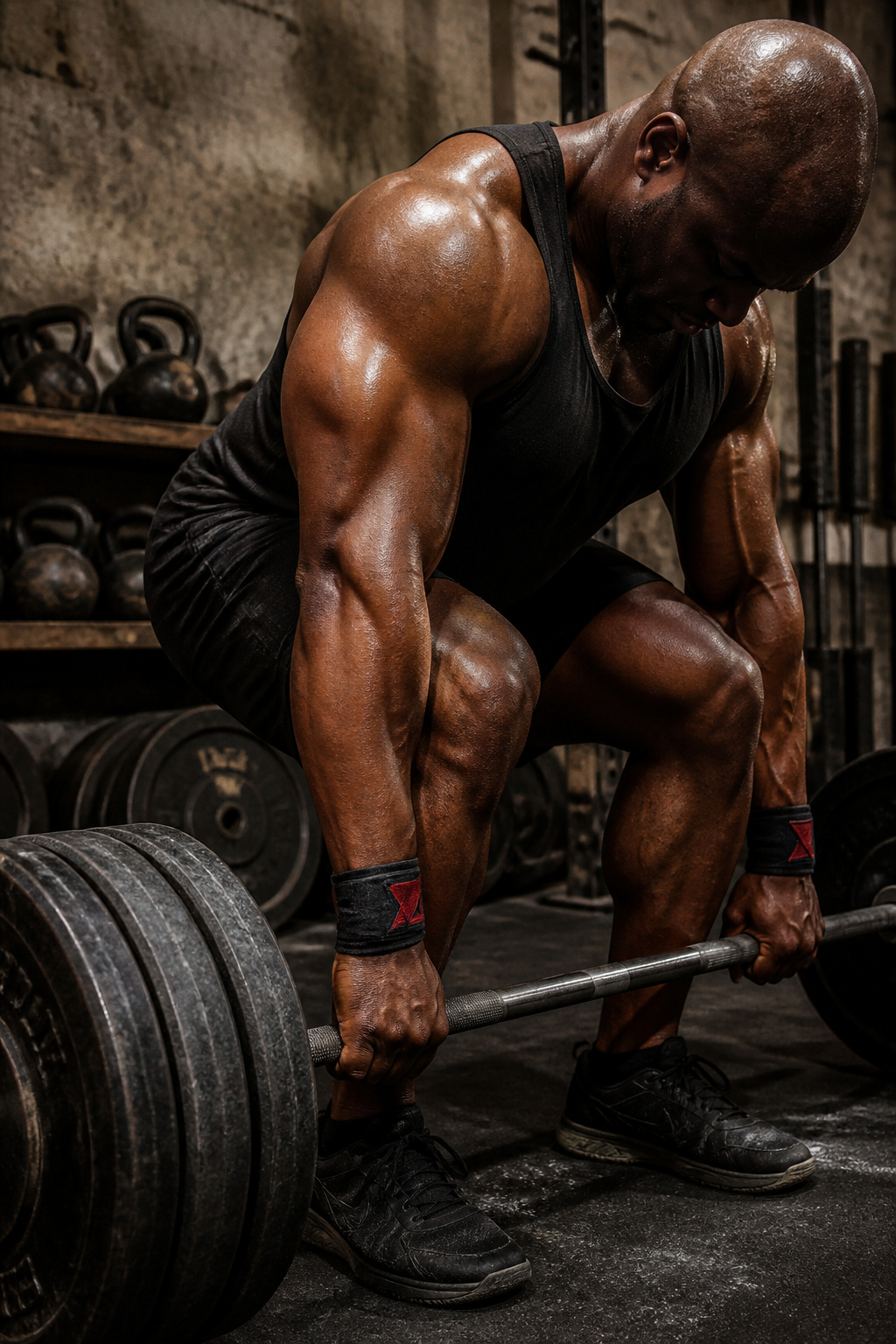
The military cadence running through Eminem’s "Till I Collapse" hits the same 171 BPM as "Lose Yourself," which makes both tracks strangely interchangeable in my interval rotation. The beat marches forward without melodic curveballs, and that predictability becomes useful when the work period demands you stop thinking about the music and just hold the pace.
Nate Dogg’s hook arrives like a programmed reward, always in the same spot, which helps on longer intervals when time-blindness sets in around minute three. I’ve cued this for Tabata-style work periods specifically because the energy stays flat and aggressive; there is no soft bridge to trick you into backing off.
The track’s limitation is exactly what makes it effective. Someone who needs harmonic shifts or melodic variation to stay mentally engaged will find this one-dimensional, almost punishing in its sameness. For steady-state cardio or anything requiring pace judgment, that monotony works against you. But when the interval is short and the goal is simply to empty the tank before the rest period hits, the single-mindedness fits.
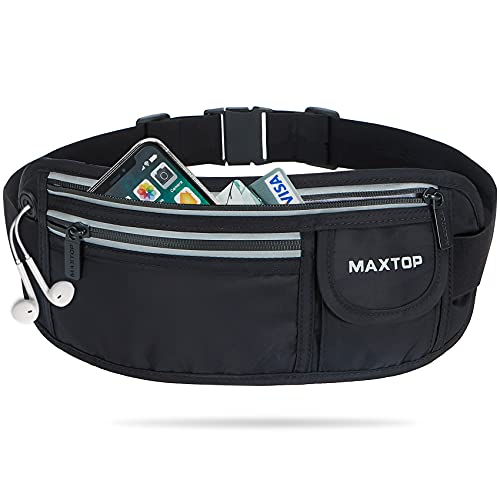
【Free Your Hands and Save Your Phone From Scratches】MAXTOP Running Belt has a single large main pocket,2 separate small pockets and 3 divider pockets,which can seal, store and secure the items you need (such as mobile phones, keys and other necessities). The small right pocket is perfect for pedometers or small objects.


7. Pump It
The Black Eyed Peas built "Pump It" around Dick Dale’s 1962 take on "Misirlou," the same surf-guitar riff that opens Pulp Fiction. That sample carries a raw, almost jagged energy that studio polish would have killed. Will.i.am’s production keeps the grit and layers a stomp-clap rhythm underneath that feels faster than its actual 94 BPM. The gap between measured tempo and perceived drive makes it useful for plyometric work, where explosive intervals need a push without the chaos of drum-and-bass tempos.
Two minutes in, the loop structure becomes unmistakable: verse, hook, verse, hook, with the same guitar figure anchoring every eight bars. For some workouts that repetition locks focus; for others it turns grating fast. Anyone who needs melodic variation to stay mentally engaged should skip this one. The track does one thing and does it relentlessly.

【Studio-Quality Wireless Sound】Experience sound as the artist intended. With Hi-Res Audio certification and LDAC technology, the Q40HD transmits 3 times more data than standard Bluetooth codecs, delivering stunning clarity and detail in every note—from the subtle pluck of a guitar string to the deep resonance of a bass, works well for calling

Breathable Comfort: Made from lightweight fabric that feels soft against the skin. This breathable, moisture-wicking, and stretchy material keeps you cool and comfortable through every swing, stride, or serve.
8. Don’t Stop the Music
Rihanna’s "Don’t Stop the Music" locks to a 123 BPM dance-pop groove that functions less like a song and more like a machine you step inside. The beat arrives and simply stays there, no bridges that drop out, no chorus that explodes louder than the verse. For a long treadmill or elliptical session, that flat line becomes the feature: your feet find the tempo once, and the track does the work of holding them there.
The seamless loop quality matters most past the twenty-minute mark, where dynamic shifts would break the trance you’ve paid for in sweat. What reads as repetitive on a commute reads as reliable when your heart rate is already up and you need the music to disappear into the motion.
Lifters should probably skip this one. The steady throb gives no audio cue for when a set ends or a rest begins; you’ll be counting reps in your head against a beat that refuses to punctuate them. For cardio, though, the lack of drama is exactly what keeps you moving.

75 Hours Playtime and Dual LED Display: Running headphones provides up to 15 hours continuous using time on a single charge, portable charging case can charge the earbuds for 5-6 times, giving 75 hours of a total playtime. Whether on the road or in daily life, it will provide unparalleled convenience and smart experience. The dual LED display on bluetooth earphones accurately display the remaining power of charging case and the charging progress of Wireless ear buds.

Enjoy 14+ hours of playtime from each earbud and 60+ total hours with the charging case, giving you long-lasting power for workouts, commutes, travel, and everyday listening.

Bluetooth 5.4 Technology Innovation: Equipped with a new Bluetooth 5.4 chip, the Bluetooth earphones offer enhanced anti-interference capabilities and optimized channel hopping mechanisms, effectively shielding against external interference. Compatible with HFP, A2DP, HSP, and AVRCP protocols, they ensure quick pairing and stable transmission for an uninterrupted audio experience. Whether at home, in the office, or at the gym, you can easily control your music and calls.
9. All I Do Is Win
DJ Khaled’s "All I Do Is Win" sits at 150 BPM, a tempo that lands squarely in the range where most people naturally pick up their stride on a treadmill or settle into a steady squat rhythm. The brass fanfares that punctuate the track hit right where a set peaks, giving the listener something to push against without having to chase a faster beat. The hook works like a chant, almost engineered for group fitness rooms where the instructor’s voice can drop out and let the room carry the line. Solo, it functions as a pep talk you don’t have to generate yourself.
The self-celebration is relentless, though. T-Pain, Ludacris, Snoop Dogg, and Rick Ross each take turns stacking boasts, and for some personalities that lands as fuel rather than noise. Introverts tend to experience it differently; the same track that pulls a class together can feel like forced theater when it’s only you and your headphones. If public victory laps make you cringe inwardly, skip this one and let the playlist move on to something with less personality on display.


Why name Music Boxing Machine as "Smart Music Boxing Machine" - Punching Bag + Running lights synchronized to musical beats + Smart APP Control = Smart Music Boxing Machine. combining punching bags, music, LED lights, and one smart APP control system, one new product creative concept came out. Like music dance melt rugs, the music boxing machine unlocks a new way to play boxing. Sounds very interesting, I think everyone would like to try it.
10. Thunderstruck
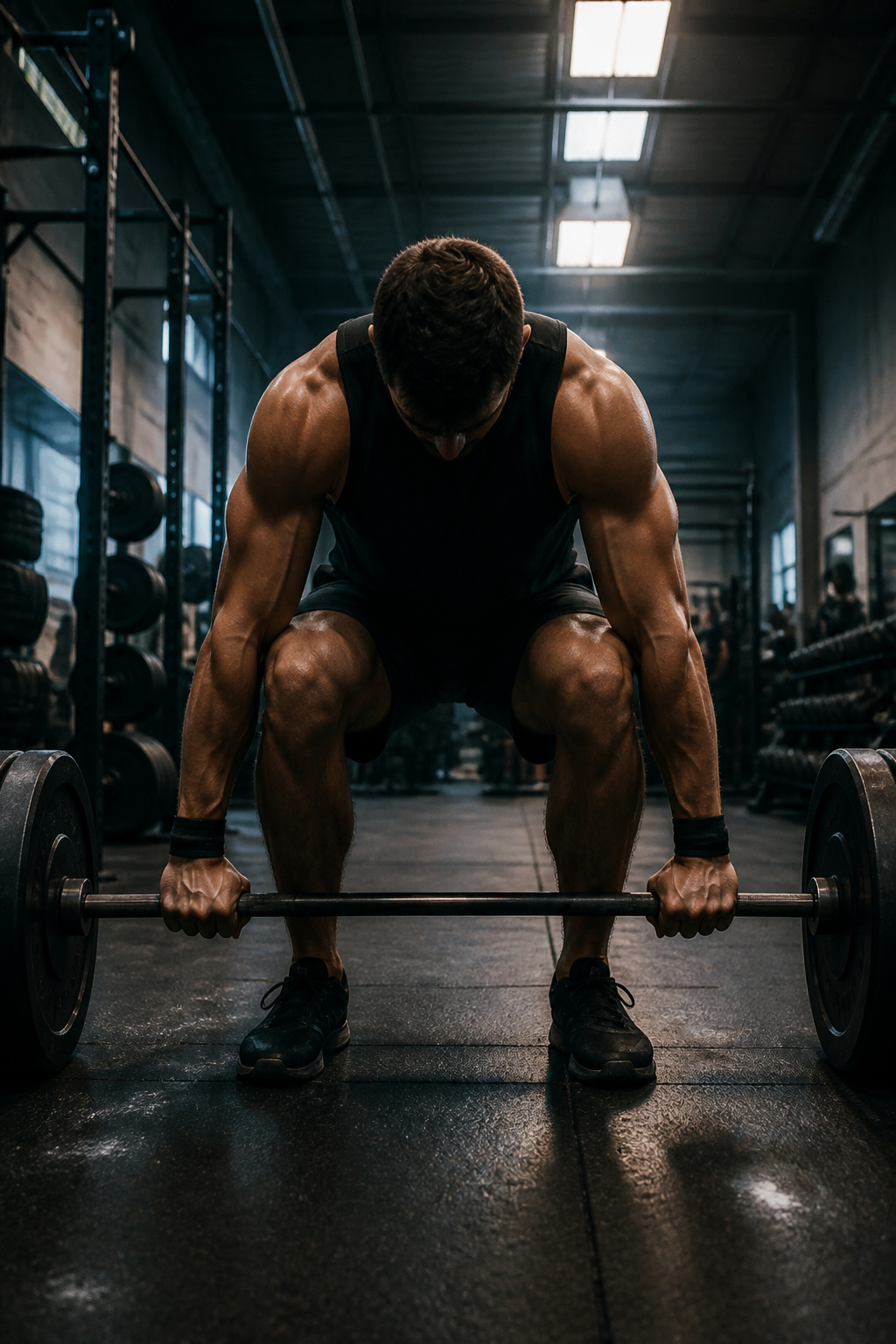
"Thunderstruck" lands at 133 BPM, a tempo that matches most people’s natural push pace on a treadmill or the grinding rhythm of a heavy squat set. The opening guitar riff does the real work: no buildup, no verse to wait through, just that staccato attack that triggers adrenaline before the first chorus hits. AC/DC has occupied this lane in gyms since 1990, and the track’s decades of presence on weight-room speakers are audible in how immediately recognizable it is even at low volume through someone else’s headphones.
What limits its use is exactly what makes it effective. The lyrics are essentially riff and repetition; anyone who needs narrative content or emotional arc to stay mentally engaged will find the loop hollow after a few minutes. Skip this one if you follow lyrics for motivation. It works for people who treat music as pure stimulus, not story. I cycle it in for short, brutal intervals, 90 seconds maximum, and swap out before the redundancy catches up with me.

11. In Da Club
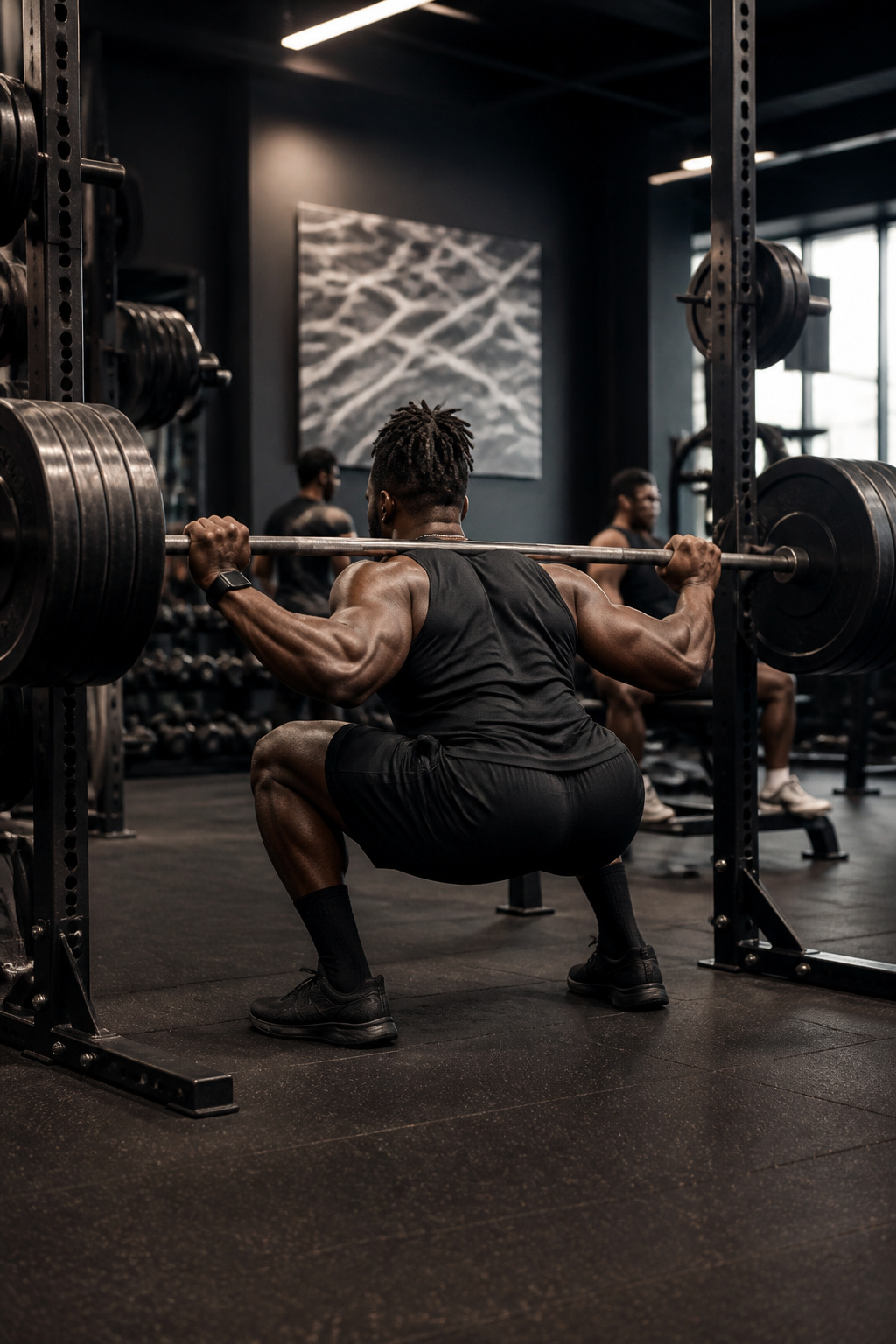
The beat lands at 90 BPM, squarely in the pocket for heavy compound work where bar speed needs to stay controlled and honest. Dr. Dre’s production strips everything to snare, synth stab, and space; nothing fights for attention when you’re bracing for a squat. 50 Cent’s delivery stays relaxed even when the content isn’t, which works strangely well for sets that look easy on paper and turn brutal by rep eight.
The birthday conceit is ridiculous on purpose, and that is exactly why it lands. Declaring "it’s your birthday" on a random Tuesday morning deadlift session is arbitrary motivation done right; the brain accepts the premise or it doesn’t, but the hook either way pulls you through the last two reps.
Skip it if irony undercuts your focus. The chorus winks too hard at its own joke for lifters who need earnestness to summon real effort; the swagger reads as distraction, not fuel.
12. Wake Me Up

"Wake Me Up" sits at 124 BPM, a tempo that lands in the gray zone between warm-up jog and working set. Avicii’s 2013 track opens with Aloe Blacc’s acoustic guitar and vocals, then builds into a full EDM drop. That acoustic-to-electronic shift mirrors how a workout actually unfolds: you start with something familiar and grounded, then the energy kicks in when you need it.
The structure makes it unusually flexible. The folk-country opening works for the tail end of a warm-up or for slower mind-body work like yoga or Pilates. The electronic shift can carry you into a cardio block. Where it earns its place in a playlist, though, is the reverse: letting the drop fade back into acoustic sounds gives you a built-in cooldown transition without the jarring silence between tracks.
The catch is the drop itself. If you find EDM builds manipulative rather than motivating, the shift will feel like a bait-and-switch. Skip this one and pick something with a steadier arc.
13. Survivor
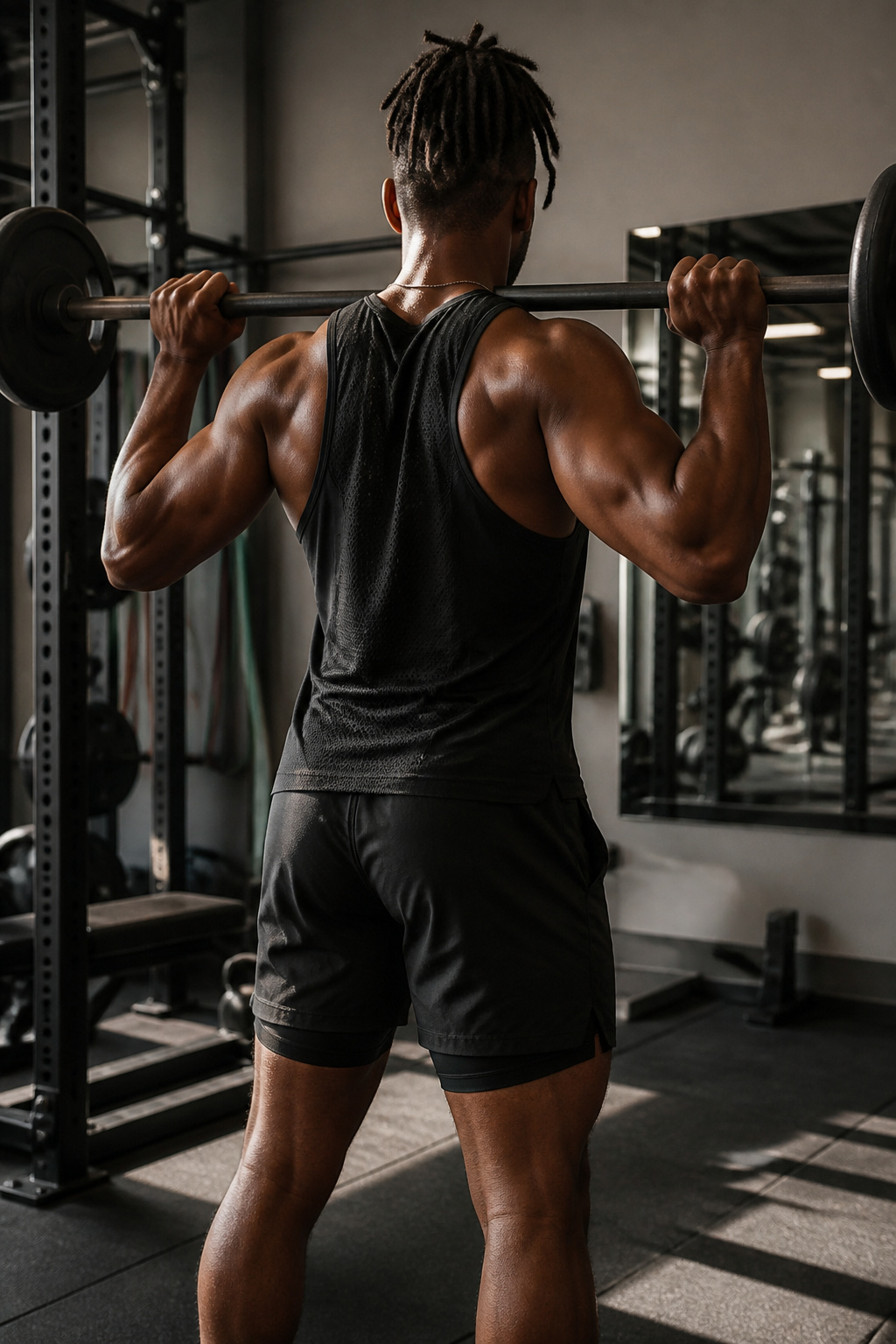
Destiny’s Child built "Survivor" at 81 BPM, a tempo that lands in a useful pocket for resistance training. The beat is slow enough to track a controlled eccentric phase, the lowering portion of a squat or press where most muscle damage and growth actually happen. I count it roughly one second down, one second hold, one second up, and the groove keeps me honest instead of rushing the negative.
The vocal aggression does proxy work. Beyoncé, Kelly, and Michelle trade verses with the kind of sharp-edged triumph that reads as effort in your ear, a stand-in for the grind of the set itself. It is a staple in women’s gym culture for this reason. The song does not ask you to feel inspired; it assumes you already are.
Skip it for cardio pacing. At 81 BPM, the gap between beats is too wide to lock into a running cadence or cycle rhythm. The body wants something closer to 120–140 BPM for that, and fighting the tempo throws off breathing more than it helps.
14. Jump Around
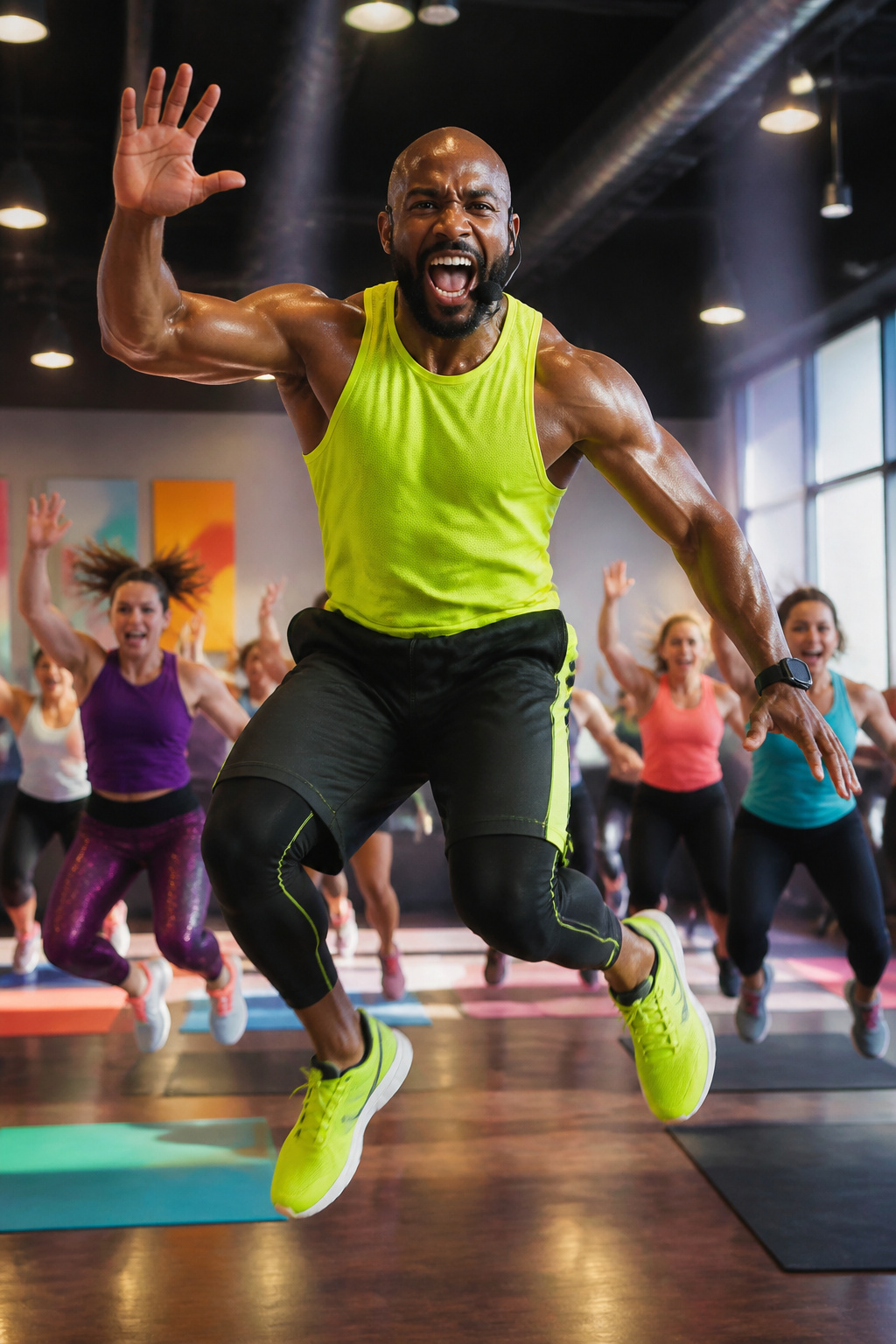
107 BPM lands right in the zone where your body wants to move before your brain catches up. The squeal sample that opens House of Pain’s track triggers something almost reflexive; I have watched gym floors shift the moment it hits the speakers. The chorus gives you no metaphor to decode, just a literal instruction to jump, and that behavioral cue works better than any pumped-up lyric about grinding or conquering.
For plyometrics or kickboxing rounds, the horn stabs line up with explosive output well enough that the song earns its spot on most cardio playlists. The energy stays high through every rep, though the track makes no allowance for modification. Anyone with knee, ankle, or hip issues for whom jumping is contraindicated should skip it entirely; the song insists on exactly what the title says, and there is no low-impact version hiding in the arrangement.
15. Stronger
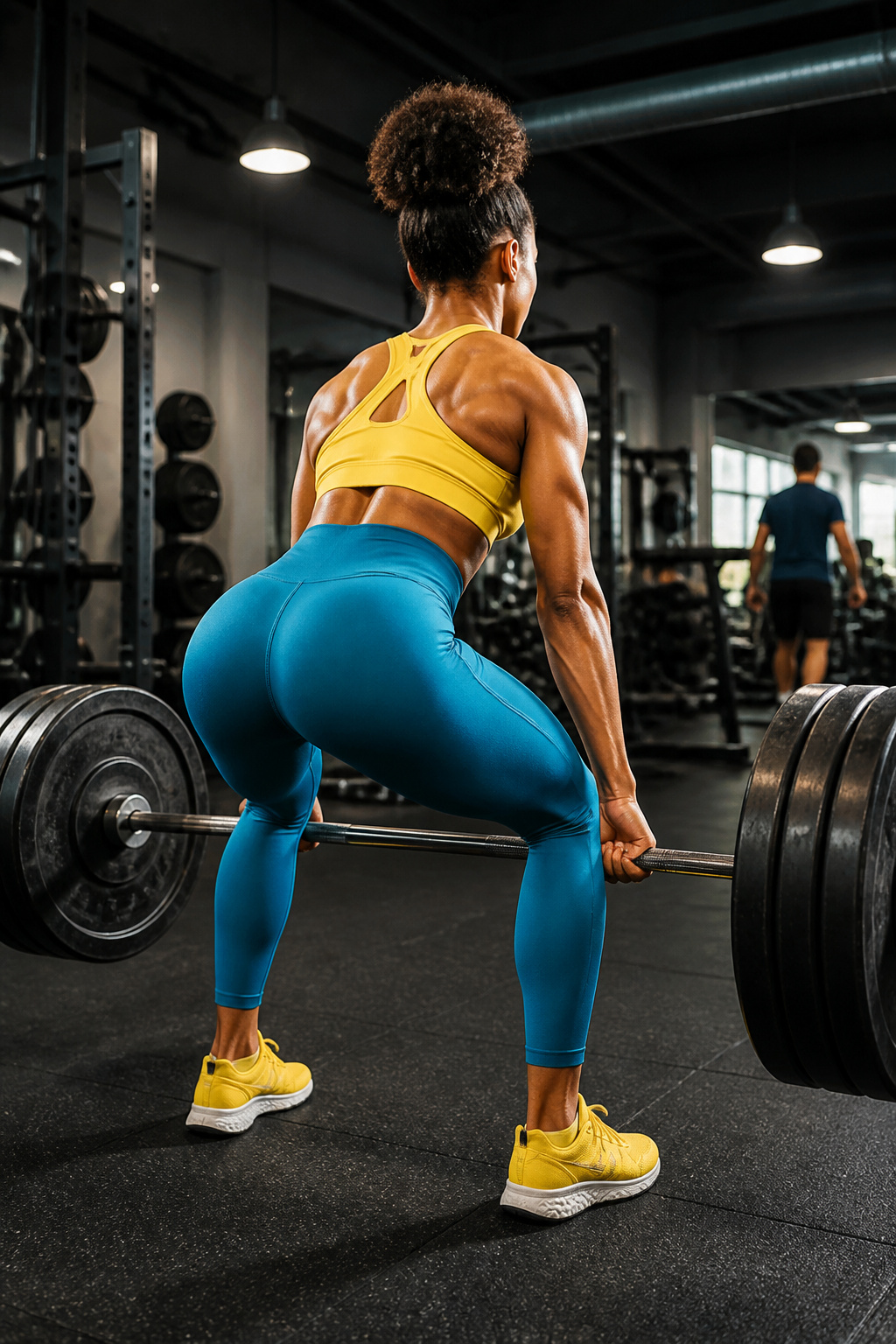
The 132 BPM lands right where a steady run or heavy lift set needs it, and Kelly Clarkson’s pop-rock production opens the track to people who would not touch the harder hip-hop edges of Kanye’s original. The piano line and swelling chorus keep the energy familiar rather than aggressive, which matters on days when the gym already feels like enough of a fight.
The what-doesn’t-kill-you hook works as a straight resilience narrative, the kind that carries you through the last rep when your form is crumbling. Some will find the lyric too on-the-nose to take seriously, and if motivational posters already make you wince, this song will land the same way. Skip it and do not look back. For everyone else, the build from verse to chorus gives enough structure to pace a set without thinking about it.
16. Levels
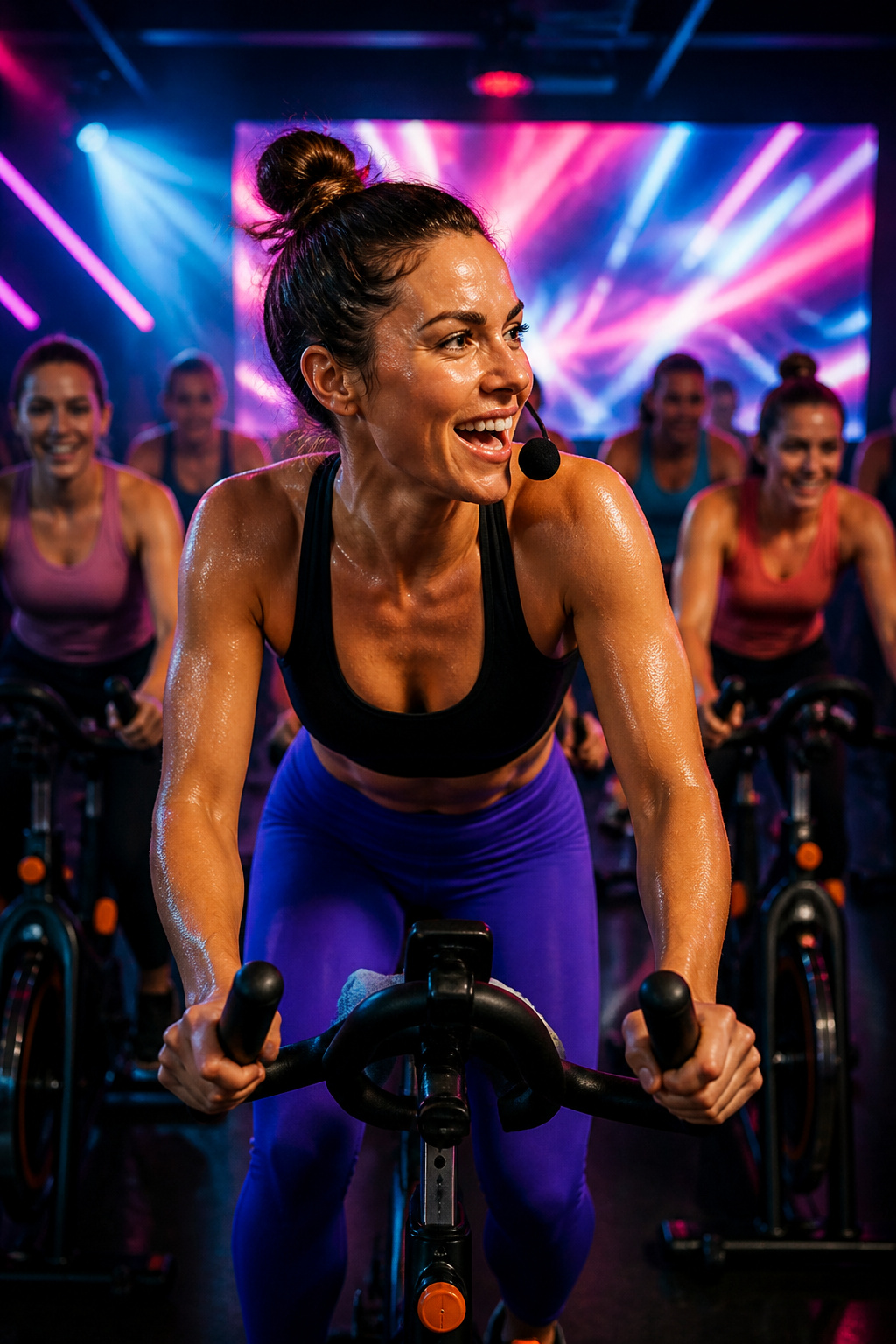
"Levels" sits at 128 BPM, the tempo that defined EDM’s golden era and still functions as a perfect interval template. The build lasts roughly a minute, peaks, then drops into a driving four-on-the-floor kick that carries you through the work phase. I have used this structure for treadmill sprints: climb during the build, hit the stride when the synths crash in, recover as the second verse strips back down.
The drop structure works because your body anticipates it. After a few listens, though, the anticlimax sets in for some people. The emotional lift flattens into predictability, and what once pushed you through a wall becomes background noise. If you are someone who rotates playlists weekly and still gets chills from a well-timed bass hit, this stays in rotation. If repeated drops leave you checking the clock, skip it for tracks with more melodic variation or live instrumentation.
17. Party in the USA
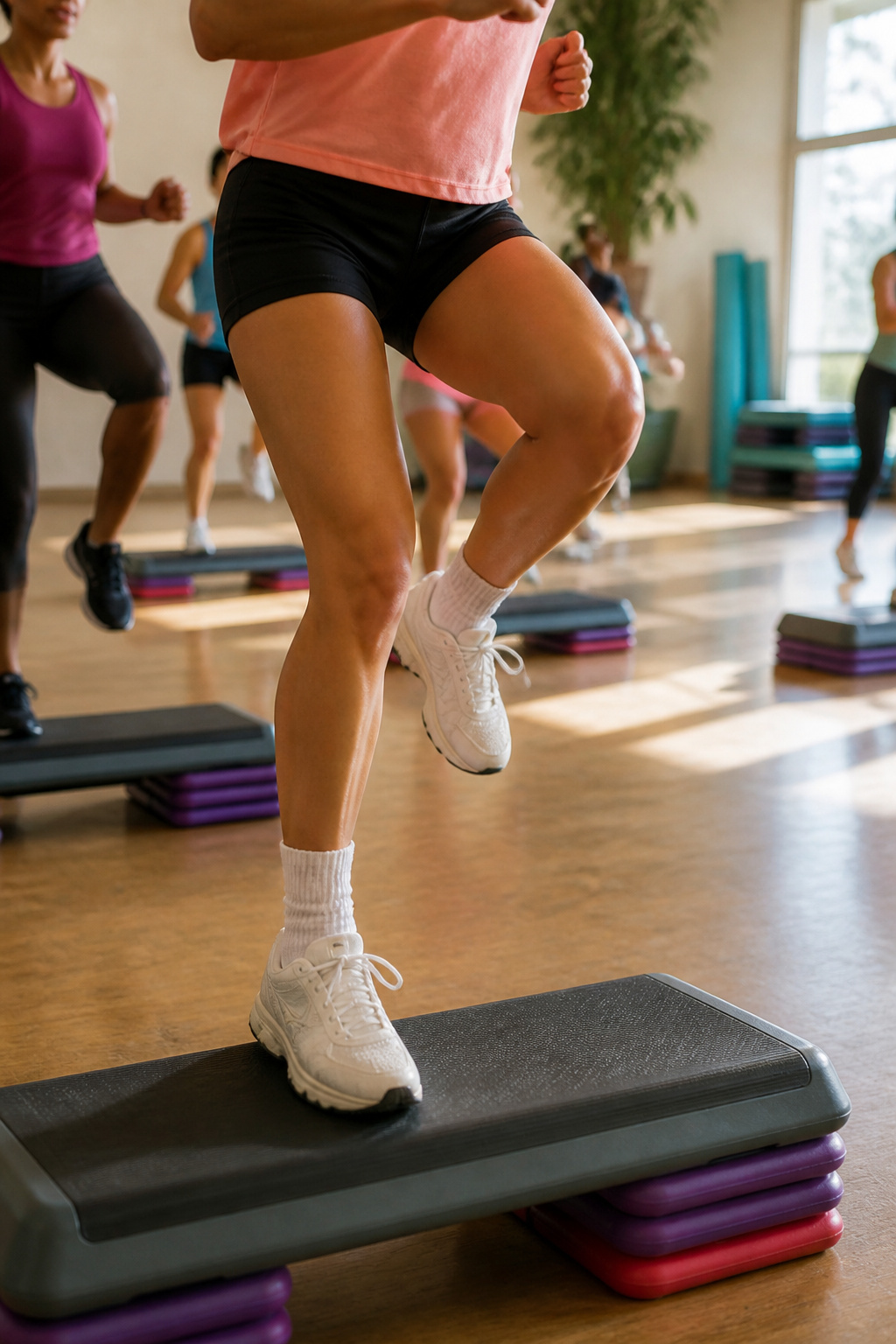
"Party in the USA" clocks in at 96 BPM, a tempo that lands right in the efficient-cardio sweet spot without pushing into sprint territory. The track came out in 2009, when Miley Cyrus was still tied to her Hannah Montana days, and that timing matters for gym-goers now in their thirties and forties. The opening guitar lick alone tends to pull millennials out of their burn and into a memory, which is exactly the point. The singalong chorus works as functional distraction, something to mouth through when your quads want the set to end.
The energy here is celebratory, not aggressive. Someone chasing rage-lift fuel or drill aggression will want to skip this one entirely. But for steady-state sessions where boredom quits before muscle does, the nostalgia-plus-chorus combo keeps legs moving without the mental math of counting down seconds.
18. Shake It Off
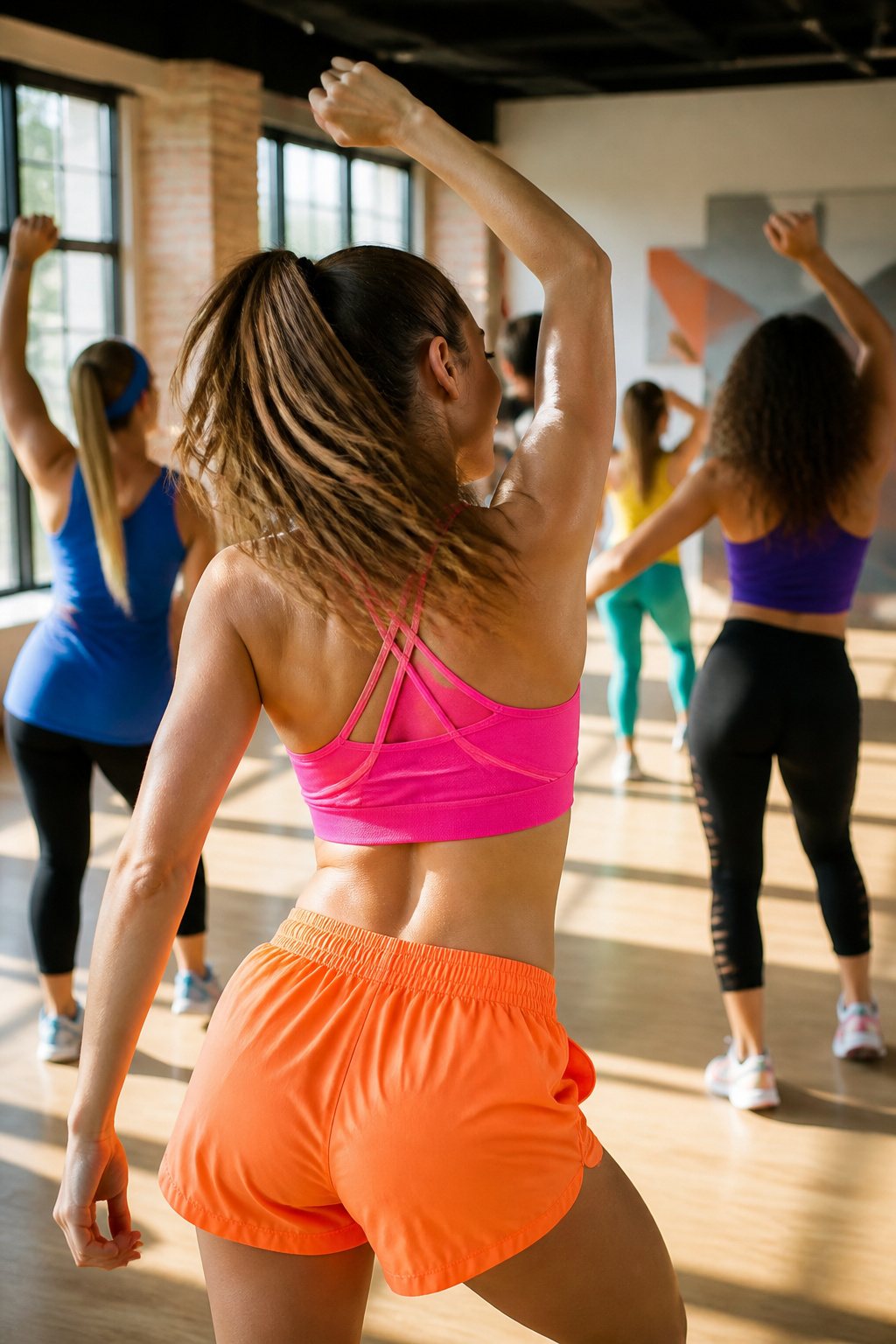
The brass section hits at 160 BPM, which lands dead in the zone where your feet find the beat without thinking. Taylor Swift built this one like a marching band took over a pop song, and that brass energy carries through the full four minutes without dropping into a breakdown that kills momentum.
The hook about shaking off criticism works better in a gym than it has any right to. Most people I know who get self-conscious mid-workout, worried about form or sweat or how they look on the squat rack, find the lyrical theme does something practical: it gives the brain a repetitive task that crowds out the self-monitoring. The song is doing work while you do yours.
Not everyone wants cheerfulness when legs are burning. A few people in my circles skip this one entirely on heavy leg days because the brightness feels mocking when the bar is grinding. If you need your music to match struggle with aggression, this is the wrong track. For steady-state cardio or sessions where the fight is mental more than physical, the BPM and the brass carry you through.
19. Blinding Lights
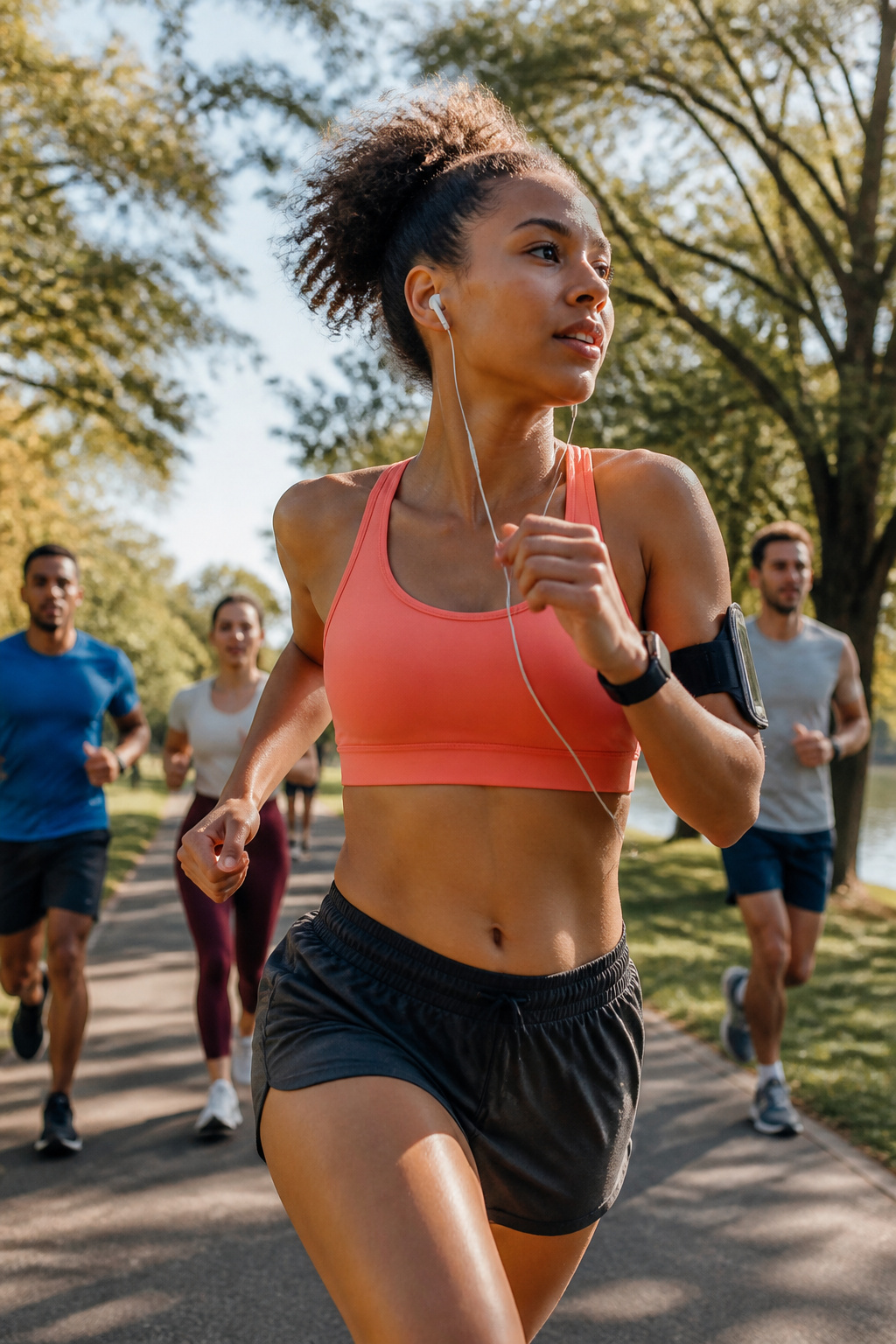
The 171 BPM lands right in the sweet spot for a steady-state run or a moderate spin, fast enough to keep your feet moving but not so aggressive that you burn out in ten minutes. What carries it is that 1980s synth production, a bright, driving pulse that feels like someone turned a treadmill into a time machine. During the early pandemic, this track became the unofficial anthem of living-room workouts; the algorithm pushed it, people needed something familiar to push through, and it stuck. The synth timbre stays the same across nearly every bar, which works as a metronome until it doesn’t. Anyone prone to ear fatigue in long sessions, a 45-minute cycle or a full body circuit, might find the brightness grating by the halfway mark. For a 20-minute HIIT block or a quick weights circuit, though, it still delivers.
20. Fancy
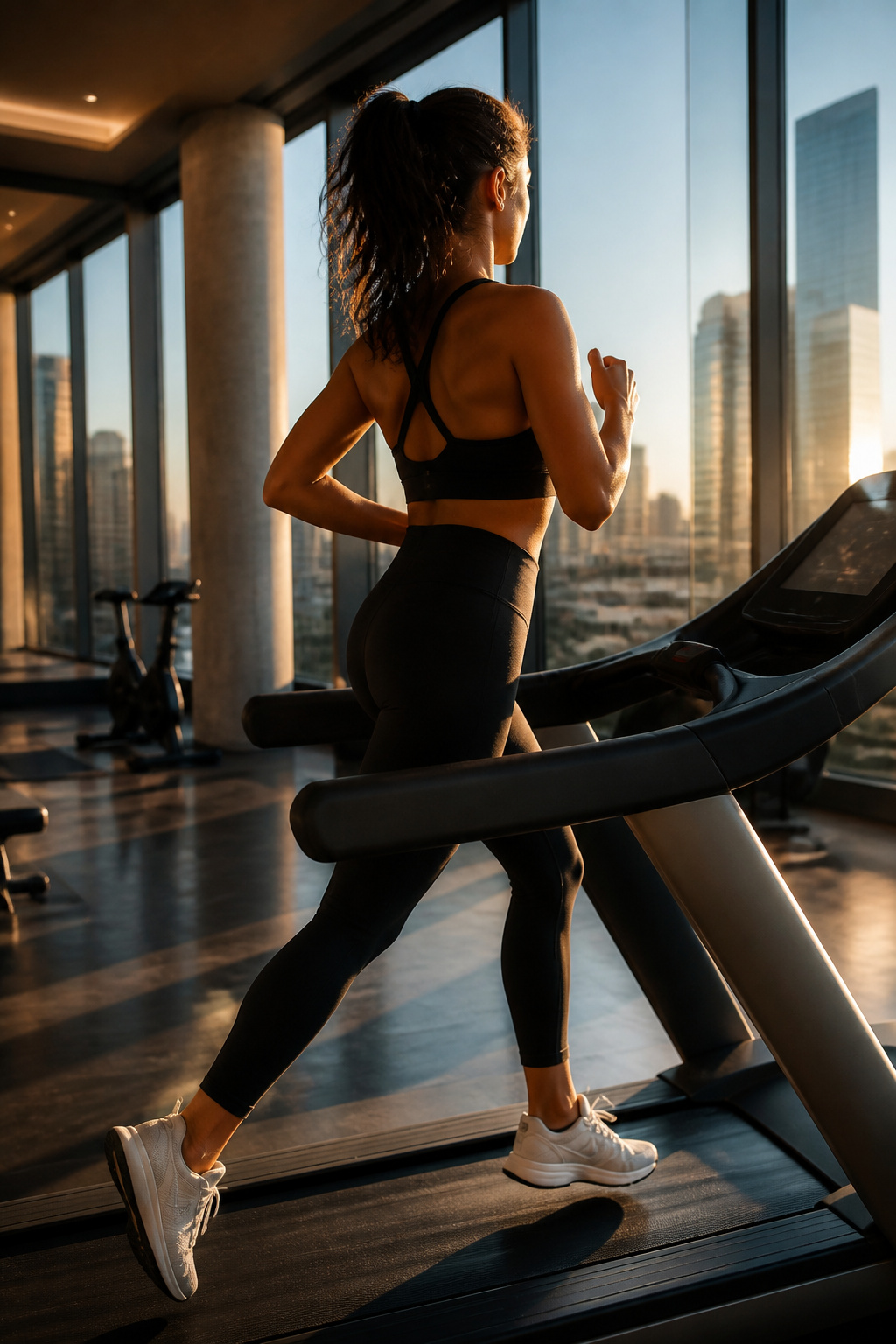
"Fancy" sits at 95 BPM, a tempo that locks your stride into steady pacing without pushing you into sprint territory. The Charli XCX hook lands with melodic memorability; after a few listens, your brain supplies the chorus before your phone does, which means less mental drift mid-set. Iggy Azalea’s 2014 release from The New Classic built its gym reputation on that combination: predictable beat, sticky melody, enough confidence in the delivery to carry you through a long cardio block.
The track has drawn covers from The Killers to Ed Sheeran, though none match the original’s polished production. What sources note is the unabashed self-assurance in the delivery, the kind that reads as empowerment when you need a mental push.
Some listeners should skip it. The cultural appropriation context around Azalea’s rise sits in the background for some and dominates the foreground for others. If that tension breaks your focus, this one becomes counterproductive no matter how solid the BPM. Plenty of alternatives hit the same tempo without the baggage; your workout is not the place to wrestle with that distraction.
Frequently Asked Questions
What are the best workout songs?
The best workout songs vary by personal preference, but high-energy tracks with strong tempos tend to work across the board. Our 2026 list includes Eminem’s "Lose Yourself" at 171 BPM for intervals, Kanye West’s "Stronger" at 104 BPM for controlled strength work, and Avicii’s "Levels" at 128 BPM for cardio builds. The key is matching the song’s tempo and energy to the specific demands of your workout rather than just picking what charts well.
How does music affect workout performance?
Music improves workout performance by boosting mood, increasing endurance, and sharpening focus when fatigue sets in. Research cited by sources including the American Council on Exercise and Harvard Health Blog confirms that upbeat rhythms and motivational lyrics can push you through difficult training phases. The right track at the right moment can override the mental signals telling you to quit, though the effect depends heavily on personal response to specific genres and lyrical density.
What types of songs are best for different workouts?
Cardio and HIIT sessions demand faster tempos, typically 120–171 BPM, with driving beats that lock in cadence; examples include "Can’t Hold Us" peaking at 146 BPM or "Blinding Lights" at 171 BPM. Strength training works better with moderate, steady tempos around 81–110 BPM like "Survivor" at 81 BPM for controlled eccentric phases or "In Da Club" at 90 BPM for heavy compound sets. Warm-ups and cool-downs benefit from tracks with gradual energy shifts, such as "Wake Me Up" moving from acoustic folk to electronic drop and back again.