The right look depends on your skin’s starting point more than on the trend: oily skin wants a matte base with powder only through the T-zone, dry skin wants a hydrating primer and cream formulas, and deeper tones need a foundation matched along the jawline in daylight.
Across the list, Drugstore Everyday Glam is the quickest and cheapest route, while Full Beat takes the most time and skill. Pick the look your skin type can hold, then adjust the effort to the occasion.
1. Black Skin UK Makeup Tutorial
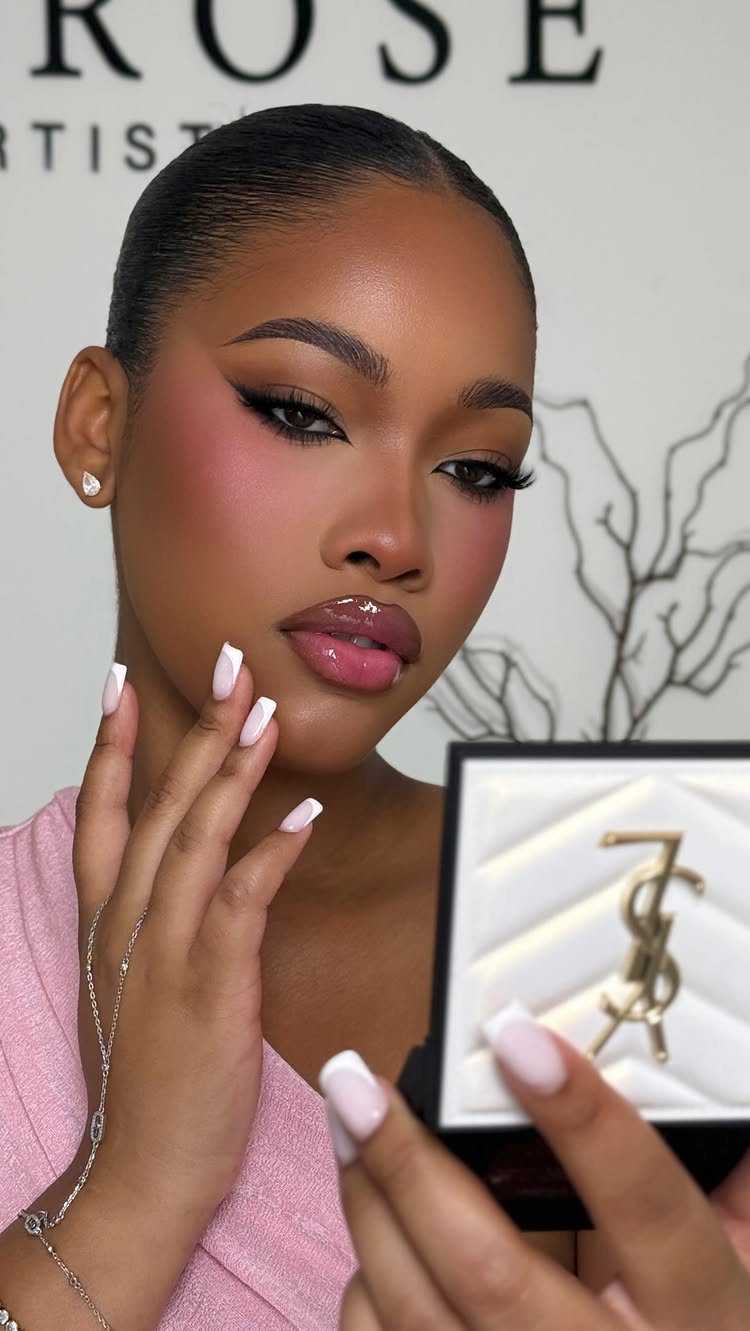
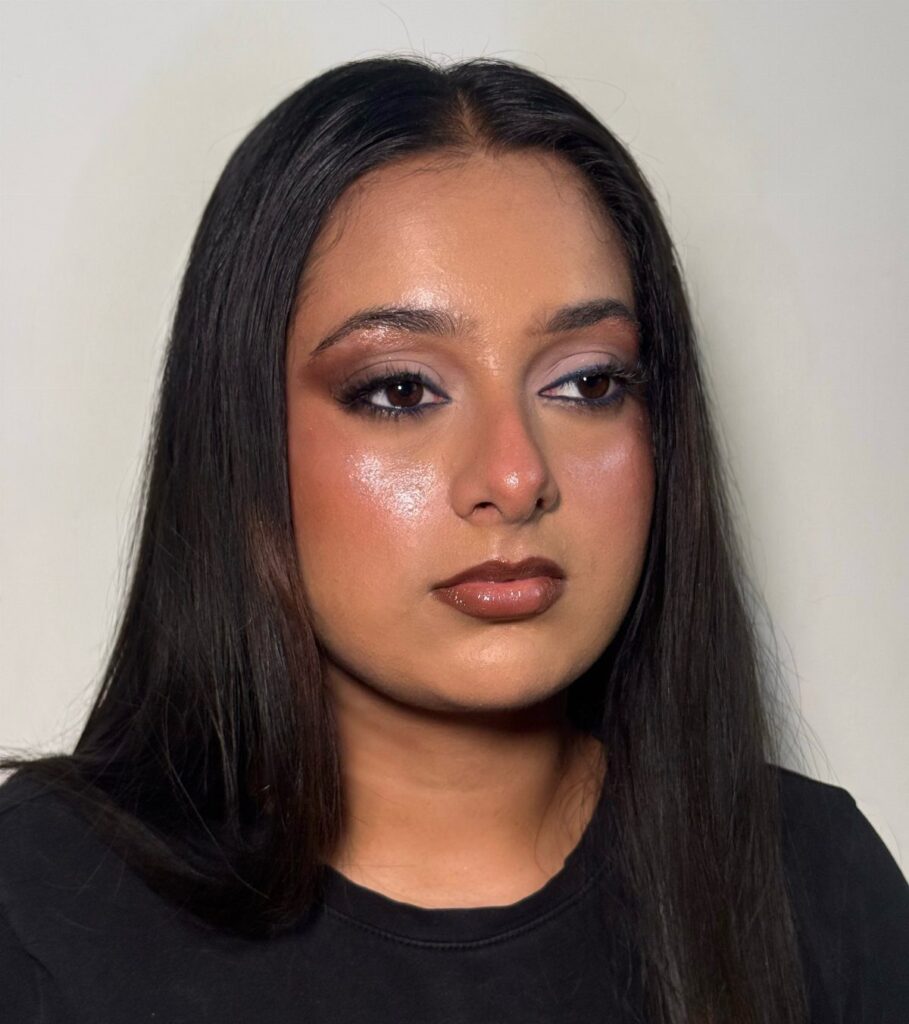
Deeper skin tones punish a foundation that runs even slightly too light or too ashy, so shade matching decides this look before any color goes on. Test shades along the jawline in daylight, and choose the one that disappears there.
A bold pink only reads as bold on deeper skin when it carries real pigment, so choose a formula that looks saturated in the pan and swatch it on your jaw before buying.
I’d build it up in several sheer passes over a primer, since pinks tend to fade on deeper skin.
Match your blush and lip to the undertone you found at the jaw, and the whole face holds together.
2. Baddie Makeup Tutorial
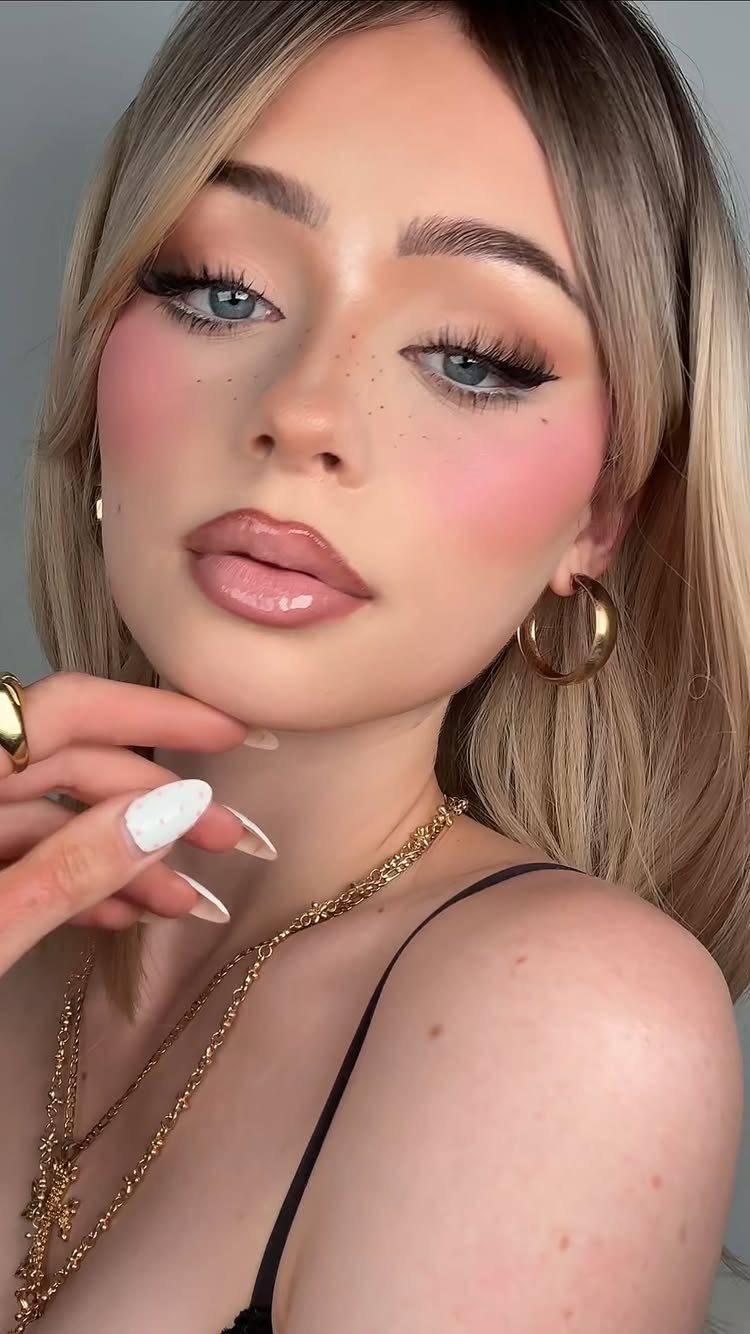
Winged liner, pink blush and a glossy lip make up the baddie look, and the liner is where it succeeds or fails.
Anchor the wing first: draw a thin line from the outer corner toward the end of your brow, then connect it back to the lash line.
Beginners get cleaner results from a pencil than a liquid pen. Keep the blush high on the cheekbones and finish with gloss on the center of the lips only.
The creator’s own caption asks whether they did it right, which is a fair question for any first attempt. Matching both wings is the hard part, so check them side by side in a mirror.
3. Soft Glam Makeup
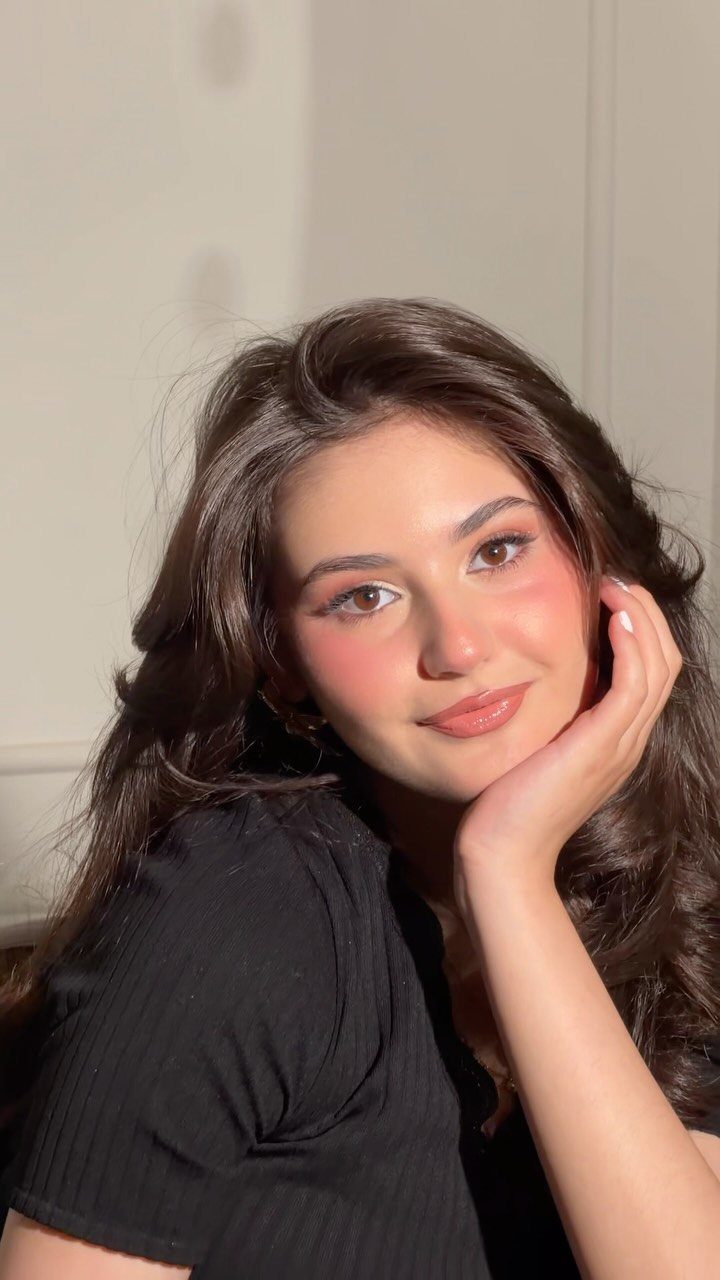
Soft glam is what I recommend for anyone who wants polish without a heavy face. Think blended neutral shadow, a defined but quiet lash line and a lip close to your own color.
Blending does most of the work here. Use a fluffy brush and keep the edges of every shade diffused, so nothing reads as a hard line.
It suits daytime, work and photos alike, and it forgives small mistakes better than almost any other look on this list.
4. Full Beat Makeup
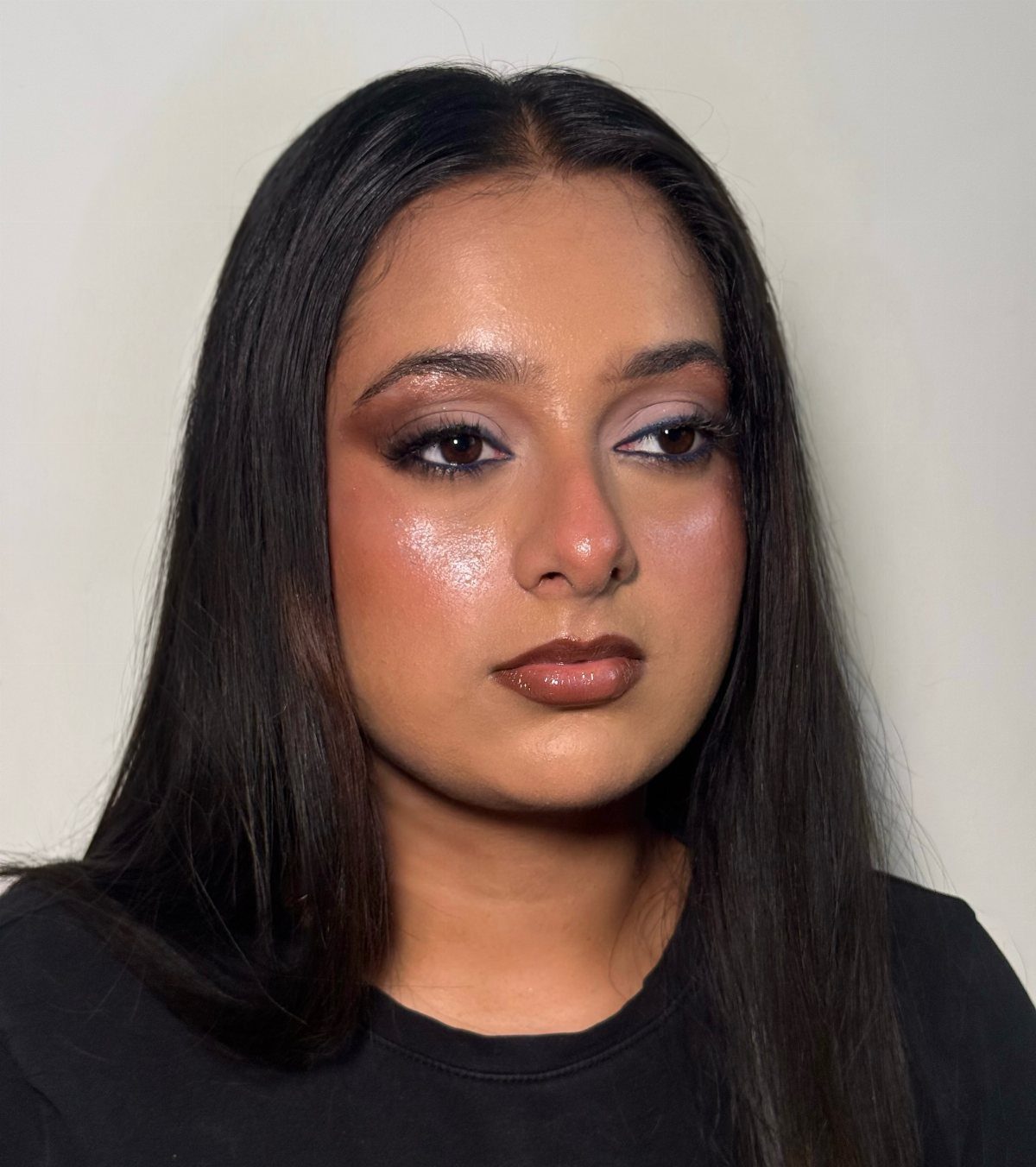
Full beat means every part of the face gets attention: base, shadow, lip and all.
Work from the top down. Do the eyes first so fallout can be wiped away before you set your base, then finish the lip.
It takes the longest of any look here, and it asks for more skill. I’d save it for evenings or events, and practice the eyes on their own before committing to the full face.
5. Drugstore Everyday Glam
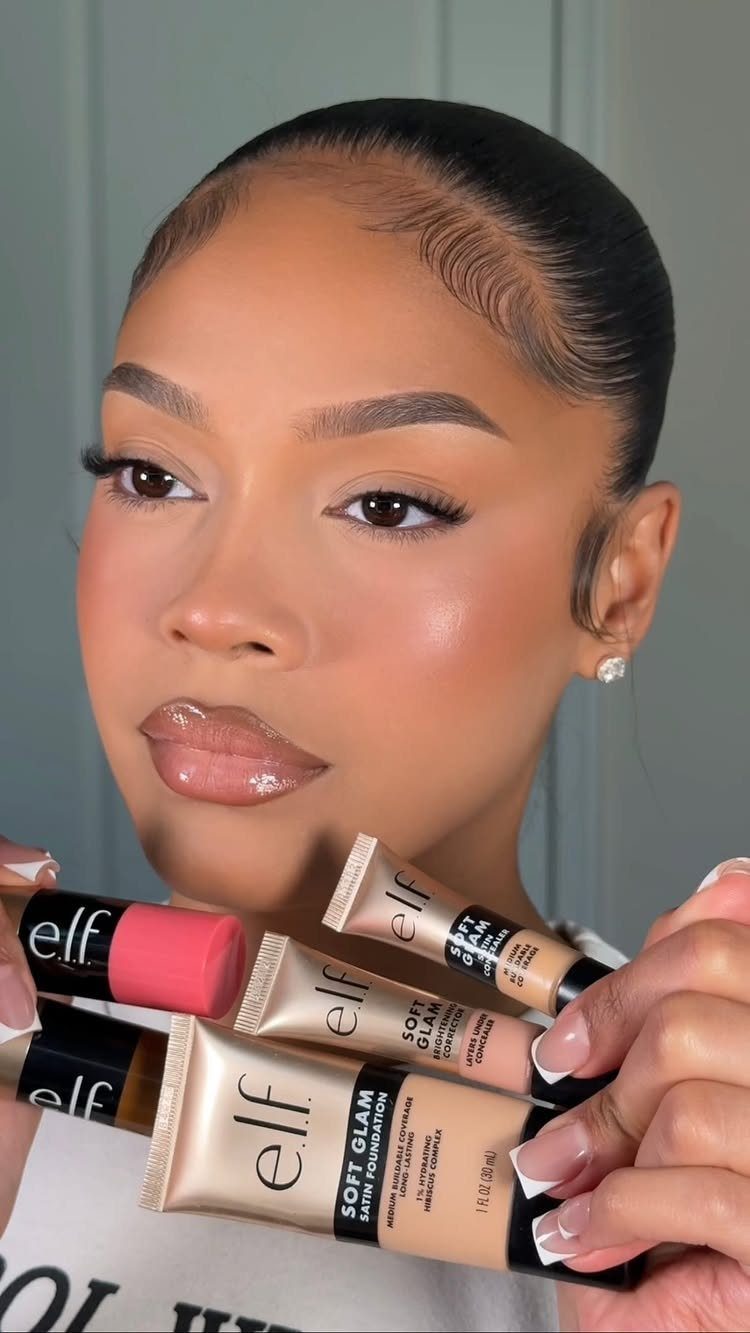
A drugstore face can look every bit as finished as a pricey one, provided the base is applied with care. e.l.f.’s Soft Glam foundation and blush make a budget-friendly pairing, and both are easy to find at drugstores.
Apply foundation with a damp sponge, then press the blush on top of the cheekbones. Tapping rather than swiping keeps the color from patching.
Price is the real draw: you can replace a single product without rebuilding your whole routine. Shade ranges vary by brand, so check the undertone before you buy.
6. Monochromatic Pink Makeup
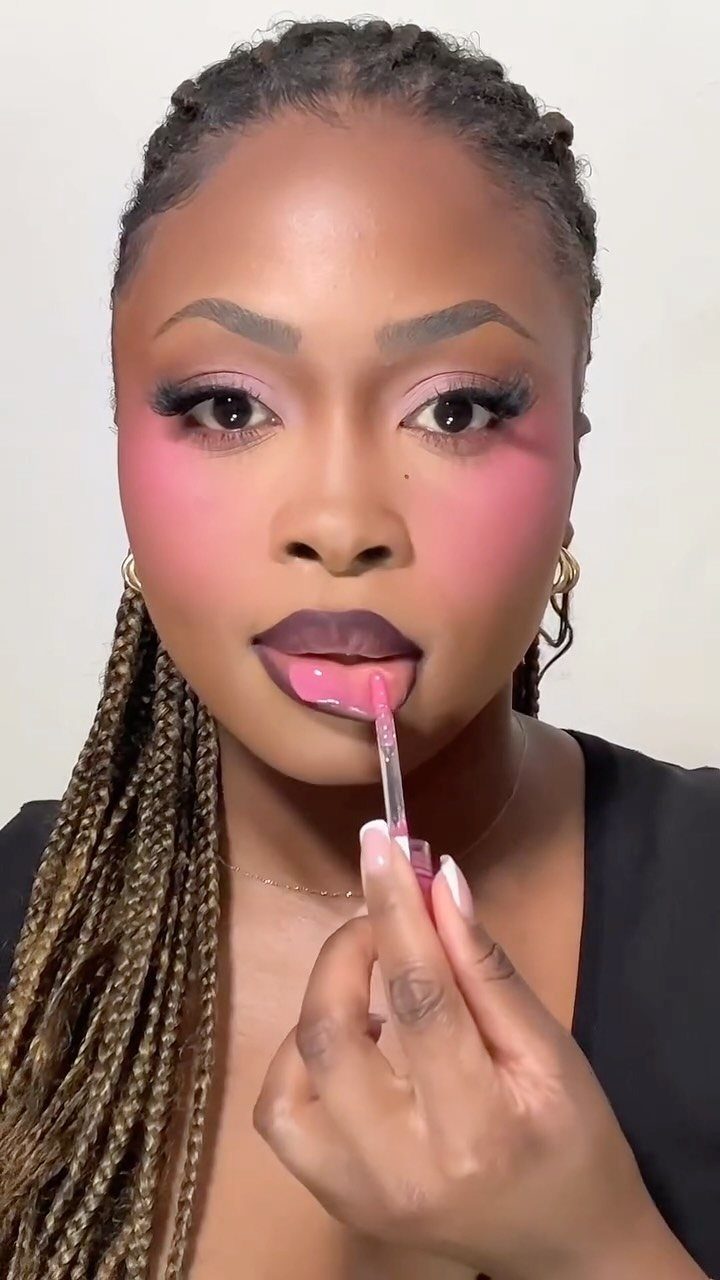
Pink on the lids, cheeks and lips reads as intentional only when the tones sit in one family.
When shadow, blush and gloss all lean the same bright pink, the look comes across as cohesive, so pick one pink family and stay in it.
A cream blush is easiest to blend, and it can double on the lids for a perfect match. Layer the gloss over a matching liner to give the lips shape.
Keep brows and lashes neutral and defined. Without that, so much pink can wash out the face.
7. Gold Shimmer Eye Application
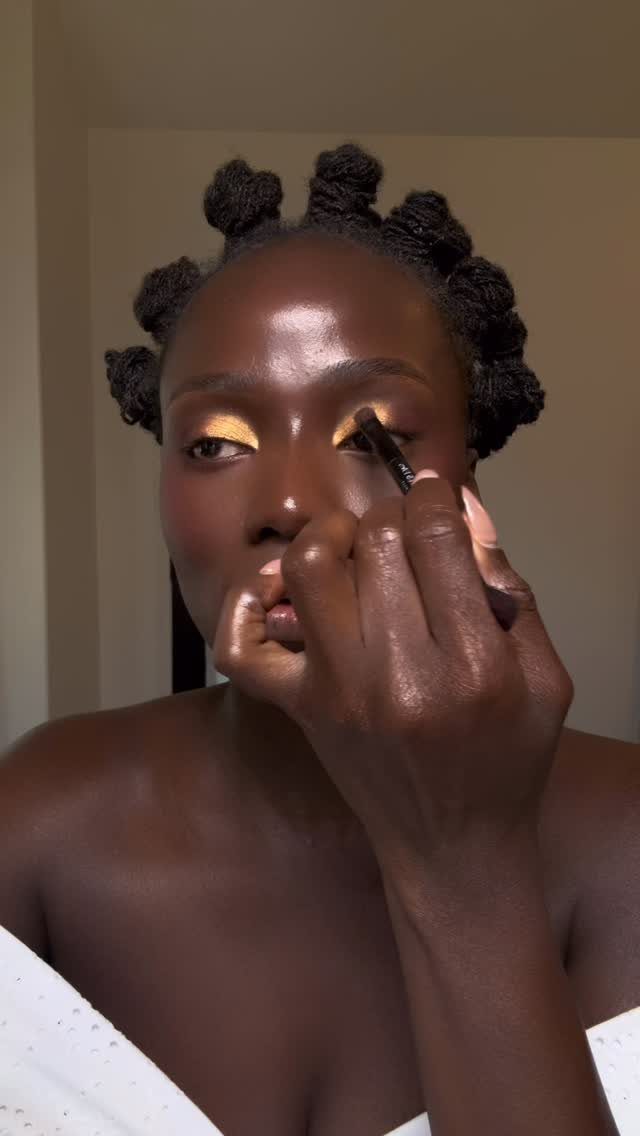
Gold shimmer lives or dies on the base under it. Start with a tacky layer of primer or an eye cream-gel on the whole eyelid, so the pigment grips instead of scattering toward the cheekbones.
A small, dense detail brush is the right tool here, because it packs shimmer onto the lid without dusting the skin around it.
Pat the gold onto the center of the lid rather than sweeping it, since patting deposits more shine in fewer passes. Then blend only the edges with a soft, fluffy brush that has no leftover pigment on it.
Metallic shades show every flake of fallout, so I’d do the eyes before foundation and wipe away strays with tape or a cotton swab. Skip heavy shimmer on the lower lash line if you’re a beginner; it smudges quickly.
Basic Makeup Techniques
Order matters more than any single technique. The sequence that works for most faces is primer, brows, concealer, foundation, contour, highlighter, blush, setting powder, mascara, lip liner, lip gloss and setting spray.
Blend each layer before adding the next. Cream products go on before powders, because powder underneath makes cream patchy.
Keep highlighter to the tops of the cheekbones and any other spots that catch light, and let contour sit lower so the two never blend into one smudge.
Powder belongs only on the areas that get oily, usually the T-zone, and not across every inch of skin.
Setting spray goes last and locks everything together, so don’t skip it on long days.
Makeup Products Recommendations
Pick products by the finish you want, not by the brand name. For a soft, natural look, the pairing I’d look for is long wispy lashes, defined brows, a neutral lip gloss and subtle highlights on the face.
Charlotte Tilbury is one brand worth checking for products that are easy to choose and easy to use, with tutorials alongside them. A guided tutorial pairing is helpful for beginners.
Pinterest boards sort looks by fair, light, medium, olive and tan skin, which is a quick way to see what suits your coloring.
Buy one new product at a time so you can judge what it does.
Makeup for Different Skin Types
Oily skin does best with a matte or soft-focus base and powder set only through the T-zone. Dry skin wants a hydrating primer and cream formulas, since powder tends to cling to dry patches.
Prep matters more than product. Moisturize first, and let it absorb for a few minutes before primer.
Mixed skin can use both approaches: hydrating on the cheeks, mattifying on the center of the face.
If a formula looks cakey within an hour, it’s the wrong match for your skin type, not a technique problem.
Frequently Asked Questions
What is the typical British makeup look?
If I had to name one look, it would be soft glam: neutral shadow blended well past the crease, lashes that are defined without looking heavy, and a lip that sits close to your natural color.
Blending is what keeps it polished without looking heavy, so use a fluffy brush and diffuse every edge.
What are the top best makeup brands?
Charlotte Tilbury, Fenty Beauty, MAC, NARS and Maybelline come up most often. Finish tells you more than a logo does, so decide first whether you want matte, satin or dewy skin and shop from there.
Charlotte Tilbury suits beginners well, since the range is easy to shop and many products come with step-by-step tutorials.