Skin type decides which of these looks works: dewy finishes suit dry or normal skin, while on oily skin I’d limit the glow to the cheekbones, brow bone and bridge of the nose and let powder cover the T-zone and chin.
The ideas range from fluffy brows, a single coat of mascara and a glossy lip to a silver shimmer on the lids, and every one stays thin on purpose.
1. Natural, Fluffy Brow

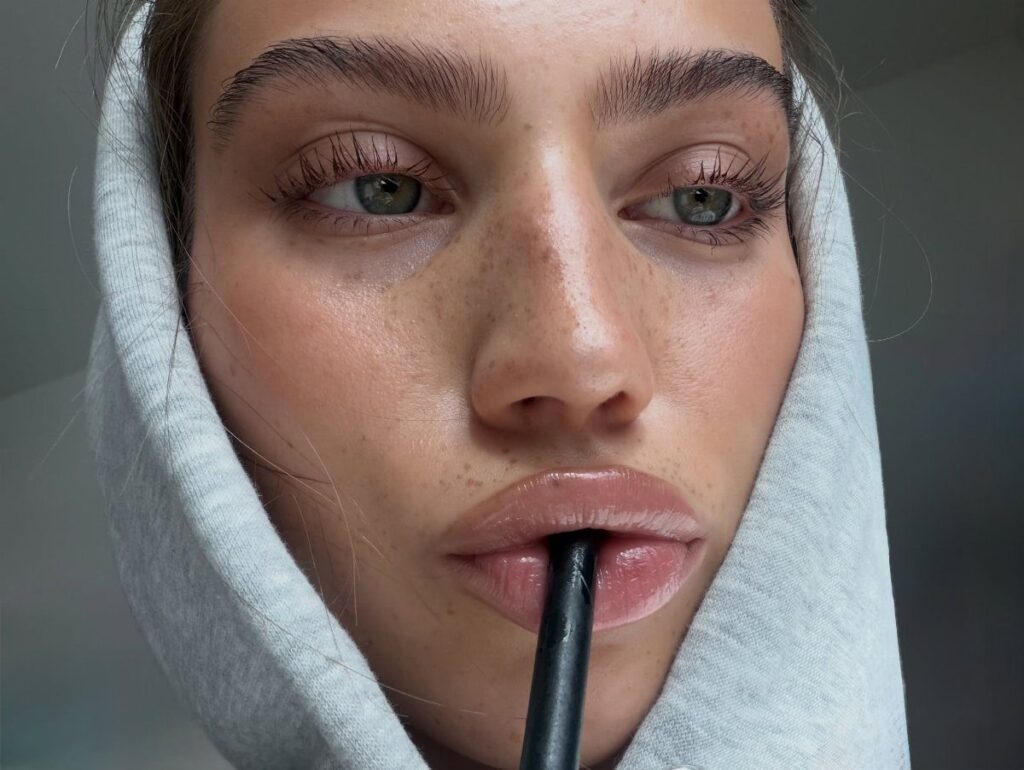
A brow pencil gives you a soft, fluffy shape without the harsh outline that makes brows look drawn on. Pick a shade close to your natural hair color, and use light, short strokes only where hair is sparse.
Brush the hairs up and out first, then fill. That order keeps the fluff intact, and the pencil only fills the gaps.
The creator of this look also recommends a highlighter to make the eyes pop and add a radiant glow to the face. I would treat that as an optional extra.
2. The Mascara
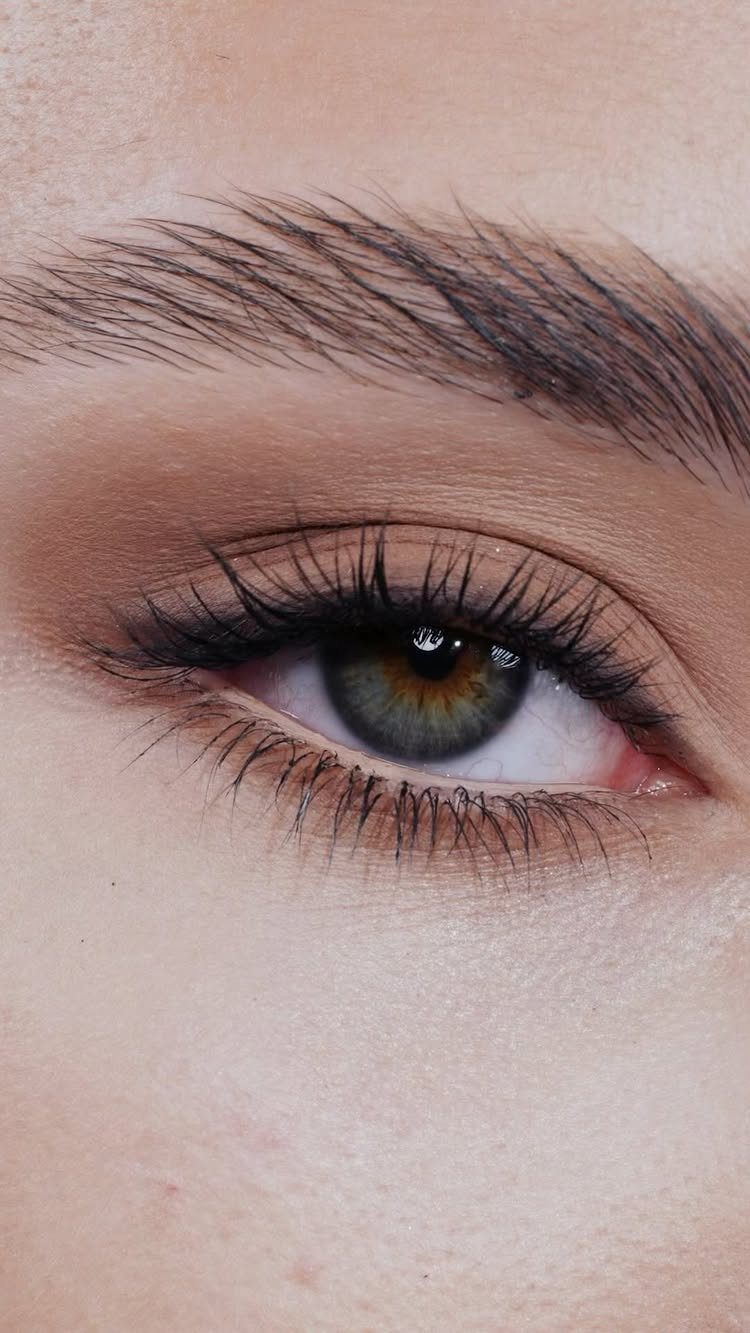
Mascara decides whether a bare-faced look stays clean or turns messy by noon. Smudging, clumping and flaking are the 3 failures that ruin the effect, so formula matters more than brand or price.
I choose a formula that separates lashes rather than loading them. One coat, wiggled from root to tip, is plenty for a natural result.
3. Glossy Lip
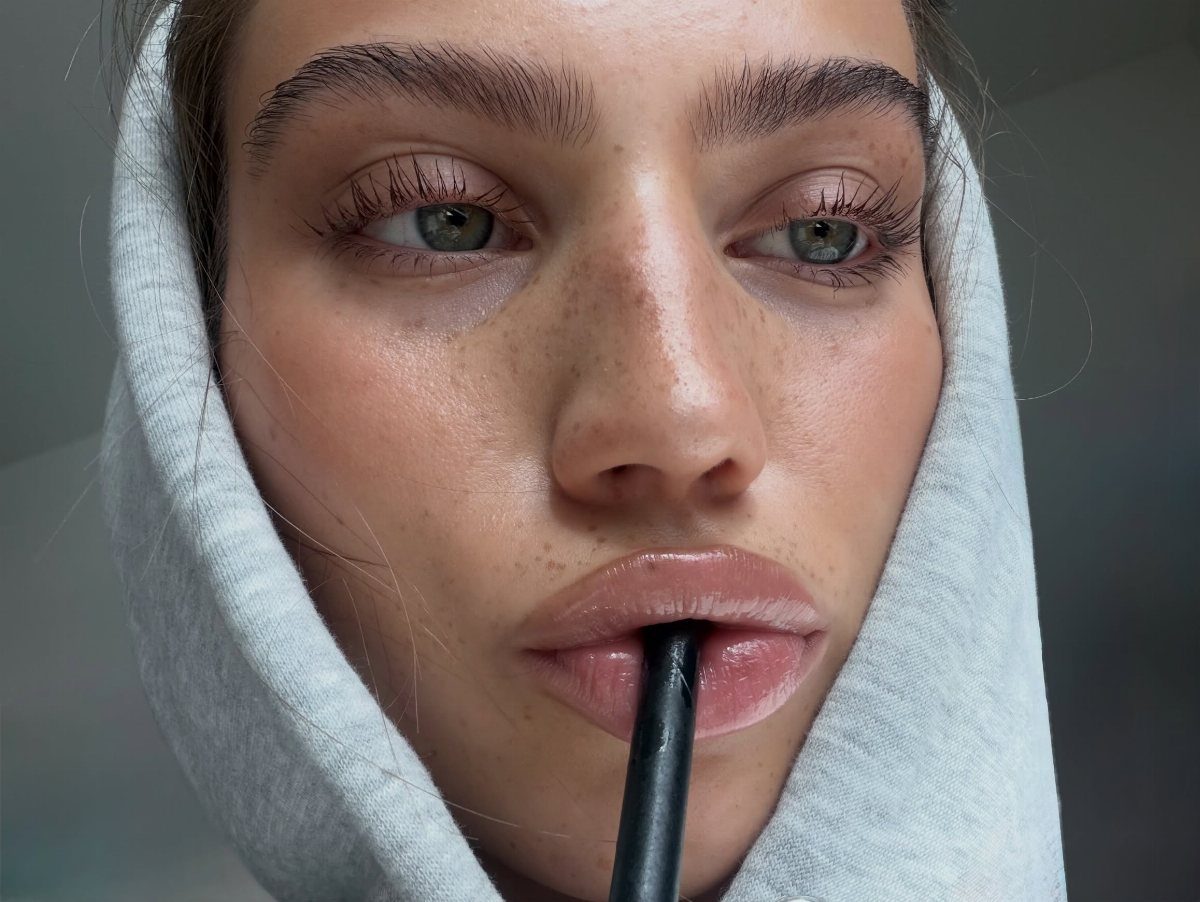
Lip gloss or a balm is all this look takes, and it works because nothing else on the lips competes with the shine. A clear or barely tinted finish keeps the face looking fresh.
Balm is my pick for daily wear, since it feels like skincare. Choose gloss when you want more shine, and dab it on the center of the lips rather than edge to edge.
4. Keep Glowing Natural Makeup Look

A glowing natural look depends on the skin itself, so I put the effort into a dewy, even base and keep the rest of the face understated.
Prep matters more than product: moisturize first, then use a thin layer of base only where you need it.
Glossy pink lips fit this look well, adding color without hiding the glow.
On oily skin, I’d limit the dewy finish to the cheekbones, brow bone and bridge of the nose, and let a light powder or matte formula cover the T-zone and chin.
“The goal is to look as natural as possible,” adds celebrity makeup artist Amber Dreadon.
— Vogue
5. Soft Eye Makeup
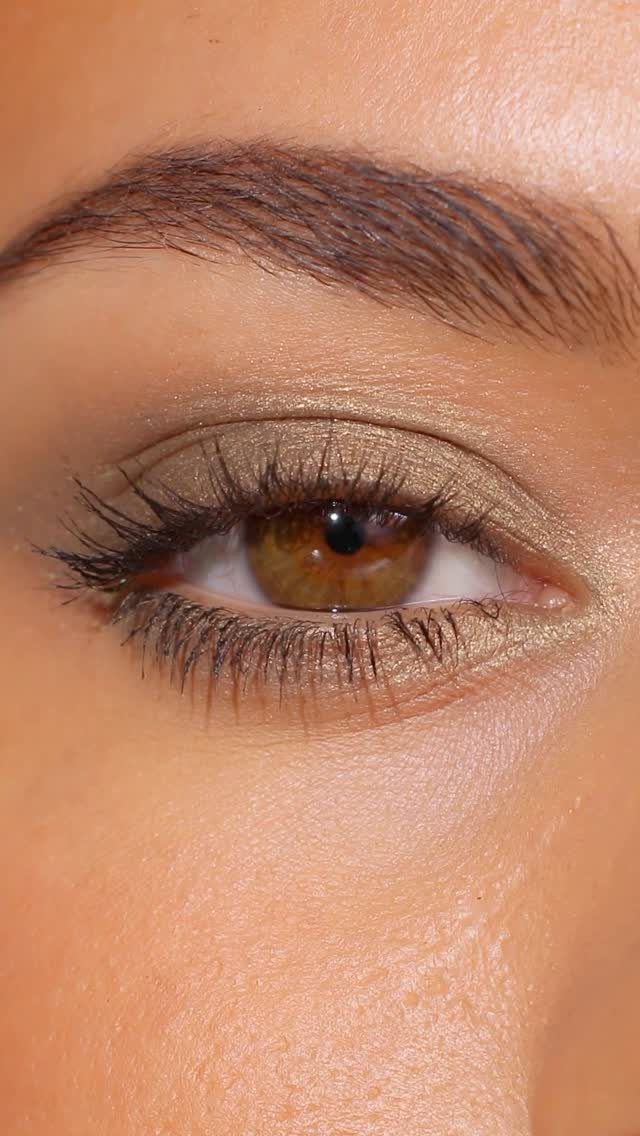
Minimal eye makeup means choosing one soft shadow and one coat of mascara, then stopping. A gold-toned shimmer over the lid adds warmth with almost no effort.
Apply it with a fingertip and blend until no edge shows. Keep brows groomed, because tidy brows make a light eye look finished rather than unfinished.
6. Monochromatic Neutral Tones

Matching neutral shades across eyes, cheeks and lips make a face look pulled together with very little work. Pick one warm or cool family and stay in it, so nothing looks out of place.
Cream products are easiest here, since one shade can often go on all three areas. Blend well; a monochrome look only reads as soft when every edge is diffused.
7. Soft Pink Lip Accent
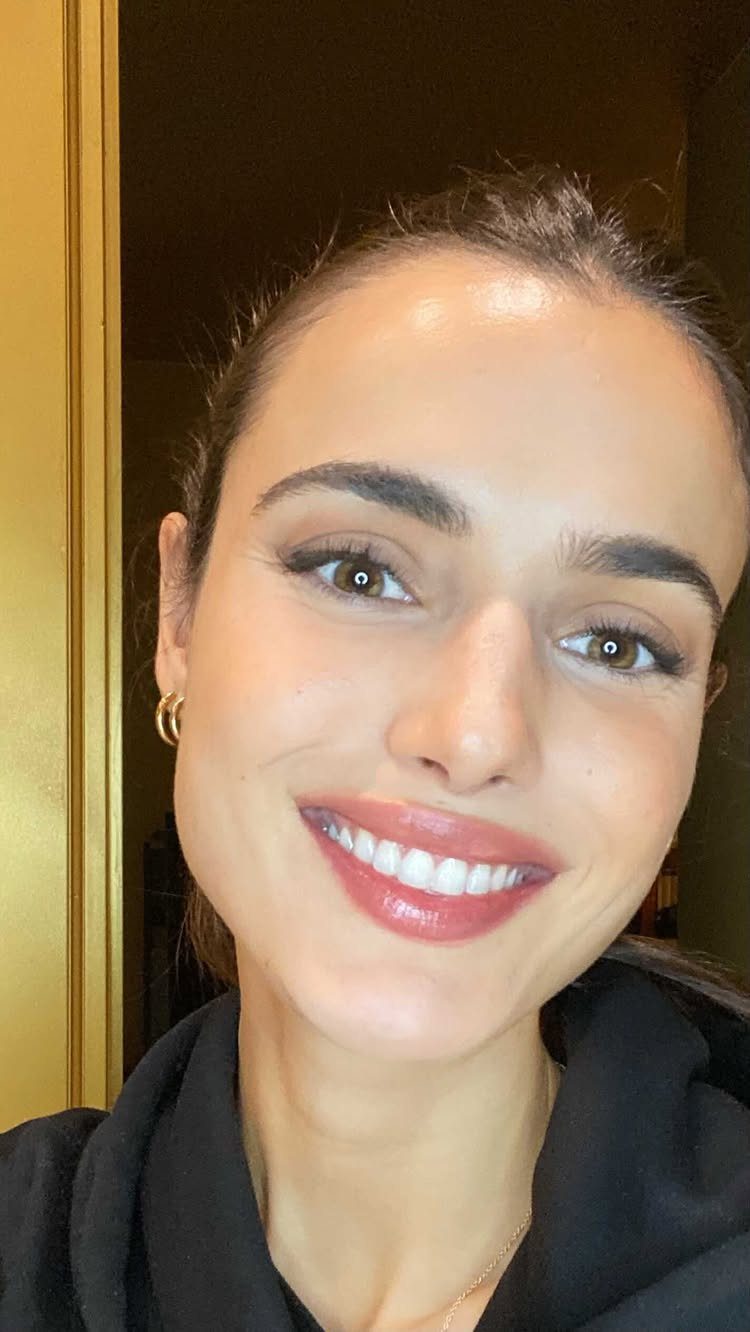
Pink lipstick works as the single accent here because the rest of the face stays quiet. Neatly groomed brows and a clean base give the color a frame, so it reads as fresh rather than heavy.
Choose a soft, slightly sheer pink and press it on with a fingertip for a stained edge. Wear it on bare or lightly tinted skin.
If pink feels loud, a balm-like formula is the gentler route.
8. Light Minimalist Makeup

Sheer eye color, one light coat of mascara and a muted lip add up to a face that looks rested, not made up. For a daily routine, this is the fastest version of natural makeup I know.
Keep every layer thin. A wash of soft shadow in a skin-close shade, mascara on the upper lashes only, and a lip color a shade or two deeper than your own lips are enough.
Stop before it looks finished. Under-doing it is the point of the look.
9. Peach Toned Natural Makeup

Warm peach ties the whole face together, which is why this look glows in daylight. A peach-toned lipstick carries most of the color, and subtle eyeliner keeps the eyes defined without stealing attention.
Keep the liner thin and close to the lashes, smudged slightly with a fingertip or small brush so no hard line shows. Sheer, buttery lipstick wears more naturally than a opaque one.
I’d choose peach over pink if your skin leans warm.
10. Shimmering Silver Eye Accent
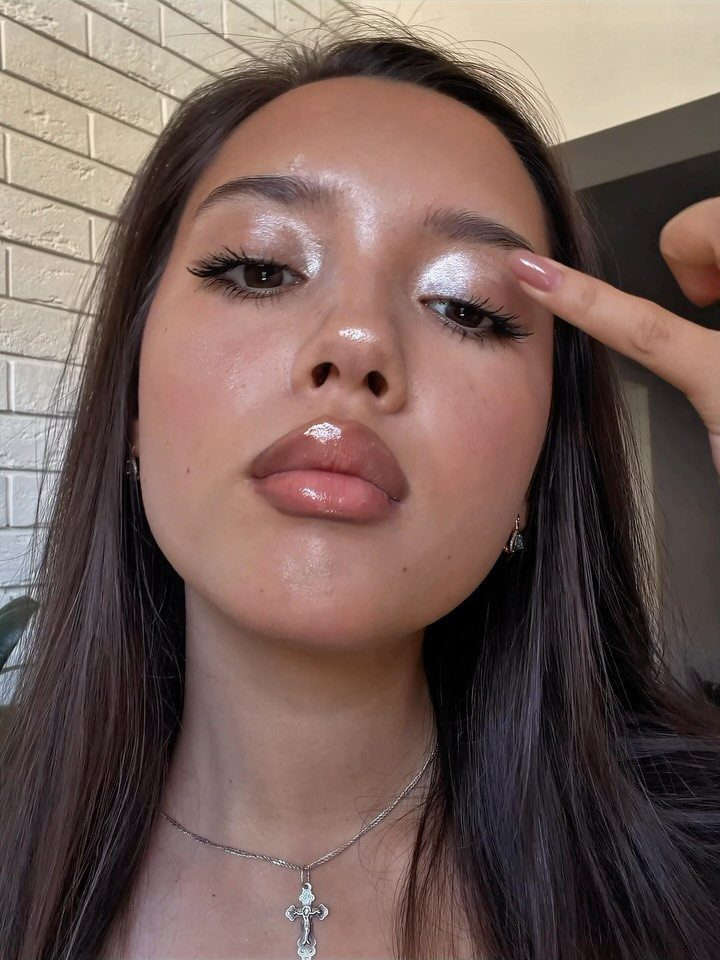
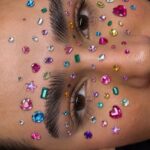
Silver shimmer on the lids is the one bold move here, and nude glossy lips keep it wearable. Luminous skin matters as much as the shadow, because glitter on dull skin looks harsh.
Press a fine, soft silver shadow onto the lid with a fingertip rather than sweeping it with a brush; pressing keeps the shimmer concentrated and cuts down on fallout. Leave the crease and lower lashes bare.
Pick a nude gloss close to your natural lip color so the eyes stay the focus.
Importance of Skincare
Clean, hydrated skin is what makes a "no-makeup" look read as skin instead of product.
Moisturizer under your base is what lets your skin’s own glow show through, and it means you can get away with far less product on top.
Healthy skin also cuts the need for heavy coverage. If you want to spend money or time somewhere, I’d put it into the skin first and the makeup second.
Multi-tasking products with skin-loving ingredients suit this approach, since they enhance your face rather than mask it. Since you read labels, that’s where to look.
Choosing the Right Products
Choose a base that reads sheer to light, then build it up only in the spots that need it, like around the nose or over a blemish.
Labels like "skin-like," "second skin" or "blurring" are a good place to begin, especially in cream or tint form.
Cheek and contour products look most believable in shades your face already makes: soft pink, muted peach or a gentle brown. Choose a subtle sheen over full sparkle.
Texture matters as much as shade. Natural makeup should melt into skin and move with it, so a formula that dries fast, feels tight or settles over pores will read as makeup.
Creams, liquids and finely milled powders forgive the most, and fingers or a soft brush both apply them well.
Makeup Longevity Tips
Realistic expectations help here. The most natural products fade slowly, and I’ll take a formula I can touch up over one that stays put but goes cakey by afternoon.
On oily skin, choose oil-free, lightweight formulas.
Frequently Asked Questions
What makeup is best for a natural look?
Sheer, creamy formulas in shades close to your own skin win.
Anything that reads as skin works here: a sheer tint, a cream blush in soft pink, muted peach or light brown, and a tinted balm or thin lipstick, since each one sits in the skin and shifts with your face.
Formulas that dry fast, feel tight or settle over pores read as makeup, so I skip them.
How can I make my natural makeup last all day?
Prep matters most, so moisturize first and build each layer thin. Powder goes only where shine shows up, usually the forehead, nose and chin, and a light mist on top is optional.
Soft formulas wear down gradually, and I’d happily blot or add a touch of color at midday before choosing a long-wear product that cakes by 3 p.m.
What are some easy everyday makeup looks?
For the quickest routine, sweep one skin-toned shadow over the lid, coat only the top lashes with mascara, and pick a lip shade just a notch deeper than your natural color.
A glossy balm with groomed brows and a dewy base is just as easy. Both keep the face looking rested rather than made up.
What is the most attractive makeup look?
A fresh, glowing face with one soft accent is the look I’d pick.
That could be a sheer pink lip or warm peach lipstick with thin, smudged liner, on healthy, hydrated skin. The color frames the face instead of covering it, so it flatters most people.
How do I keep a natural look from turning shiny on oily skin?
Keep any glow to the high points: cheekbones, brow bone and the bridge of the nose.
On the center of the face and the chin, use a sheer powder or a matte product, and stick with lightweight, oil-free formulas. That keeps the glow where it looks good and the shine where it doesn’t.