Skin tone decides how a shade reads, so the right look depends on your own coloring: pinks, dusty mauves and taupes stay quiet on fair skin, warmer browns and faded corals suit medium skin, and deeper skin can carry dark cocoa, mahogany and maroon.
The looks run from a single wash of peach to a two-color mauve and brown blend, with a shimmery gold lid and a winged liner kept short and thin.
1. Cool Taupe Natural Look
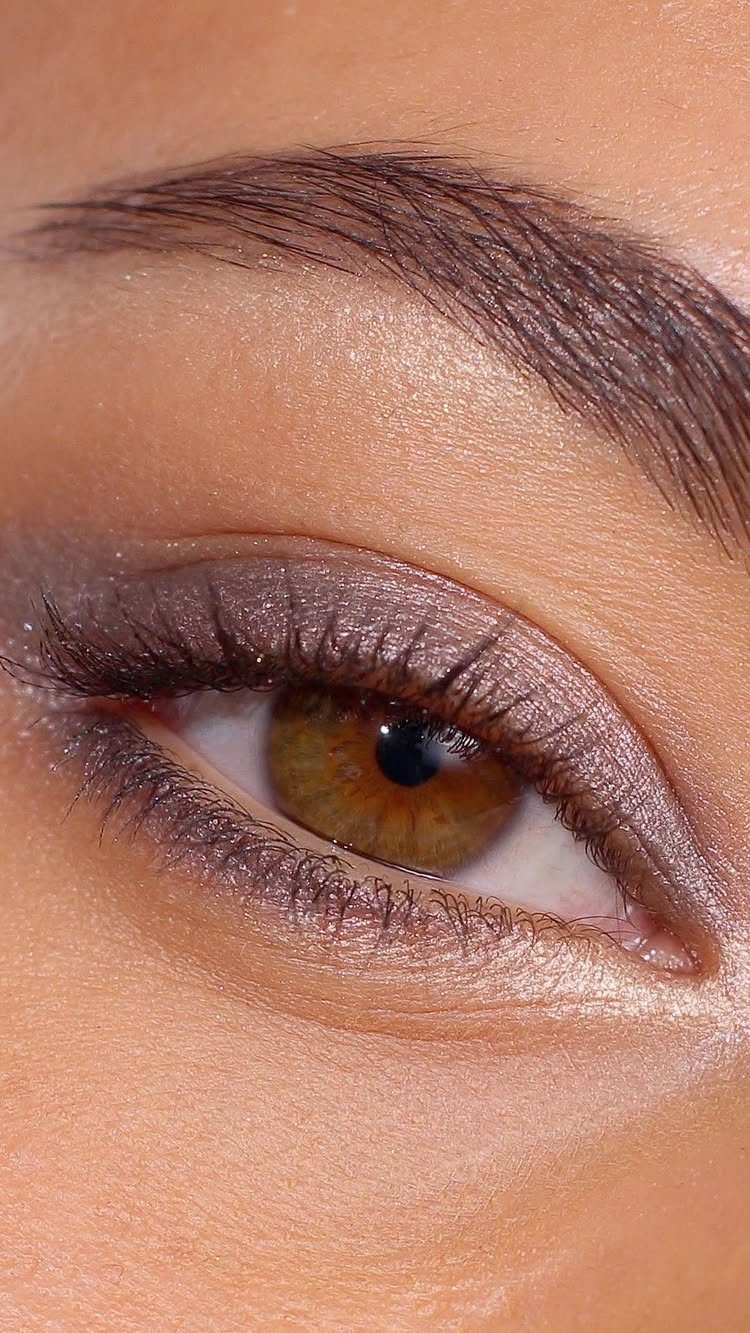
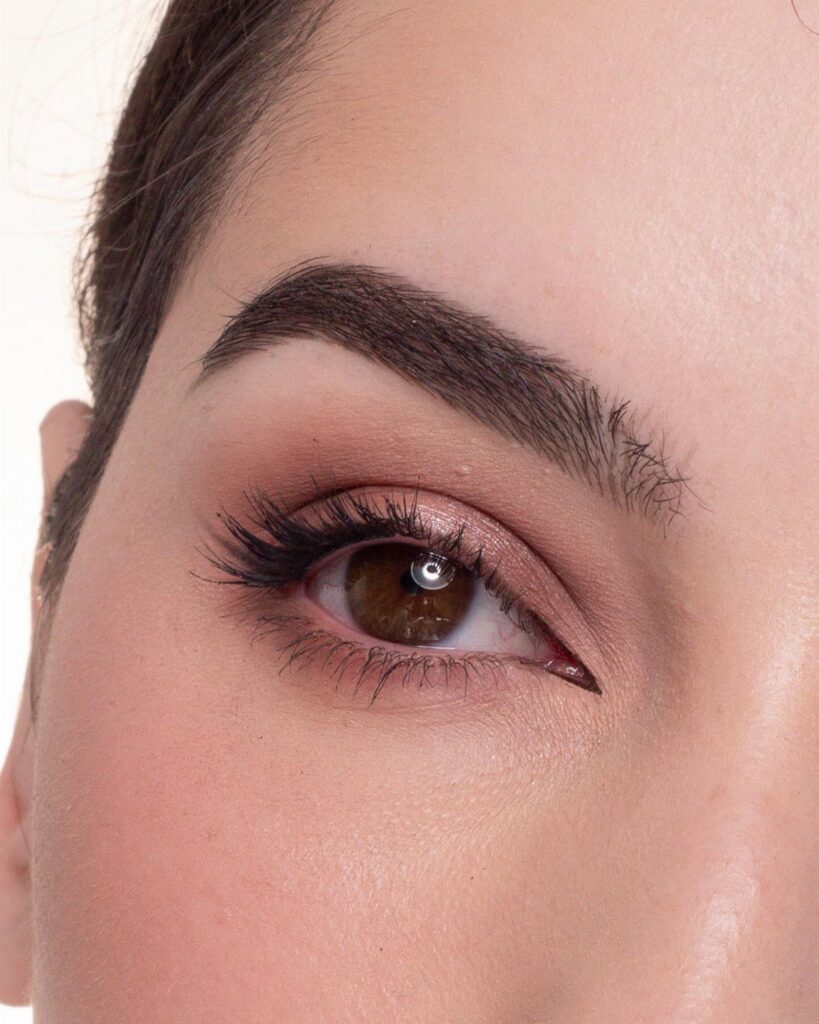
Taupe sits between gray and brown, which is why it reads as shadow rather than color. On eyes that look tired in bare light, I prefer it to a plain brown.
Sweep a taupe across the lid, then blend a deeper brown into the outer corner and along the lash line. Finish with mascara and brush your brows into shape.
Taupe is cool, so it can look flat on very warm skin. If yours leans golden, pick the browner end of the shade.
2. Wash of Peach Natural Look
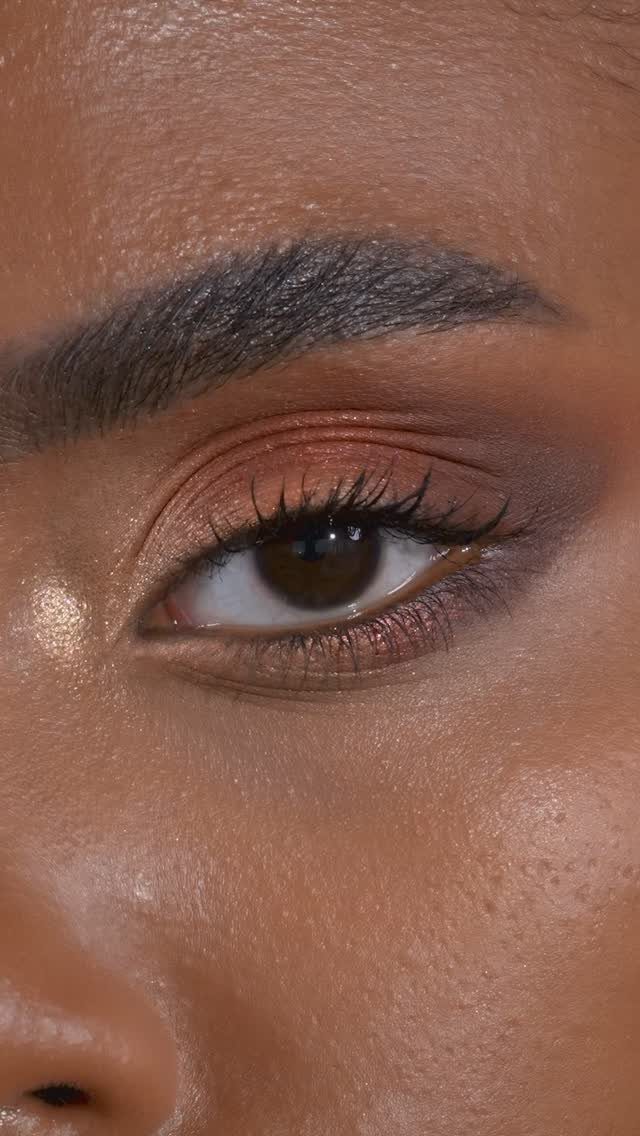
A single wash of peach does most of the work here, and I’d keep it that thin. Apply it with a fluffy brush, tapping off extra product first, so it looks like warm skin rather than a stripe of color.
A touch of terracotta in the crease adds depth without a harsh edge. Dark mascara and tidy brows keep the eye defined.
Peach can look sheer on deeper lids, so build it in two light layers instead of one heavy pass.
Natural makeup should enhance the beauty of your features; as long as it does, the effect is natural and fresh.
3. Shimmery Gold Natural Look
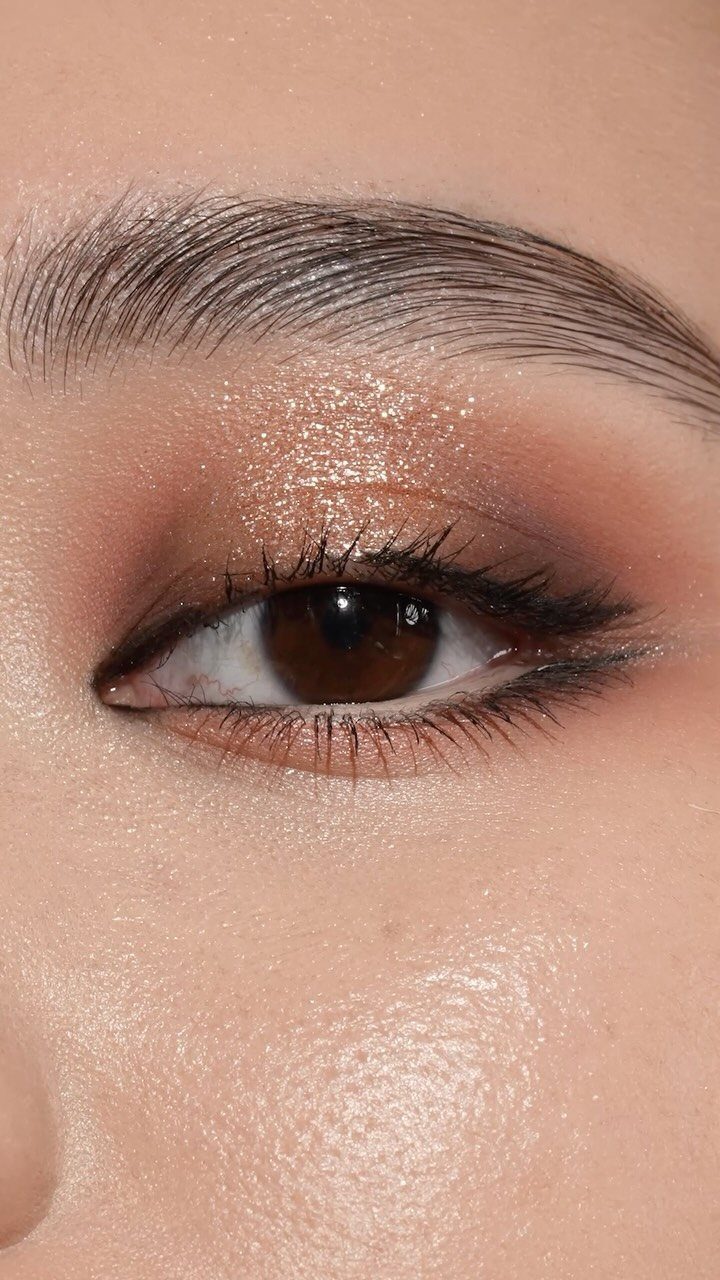
Gold only looks natural when the shimmer is light. Press it onto the center of the lid with a fingertip, since fingers pack metallic pigment better than a brush does, and leave the rest of the eye clean.
A thin line of eyeliner close to the lashes keeps the eye sharp, and a little highlight on the skin matches the glow.
Skip glitter-heavy formulas here. Fine, smooth shimmer is the one to choose.
4. Soft Pink Natural Look
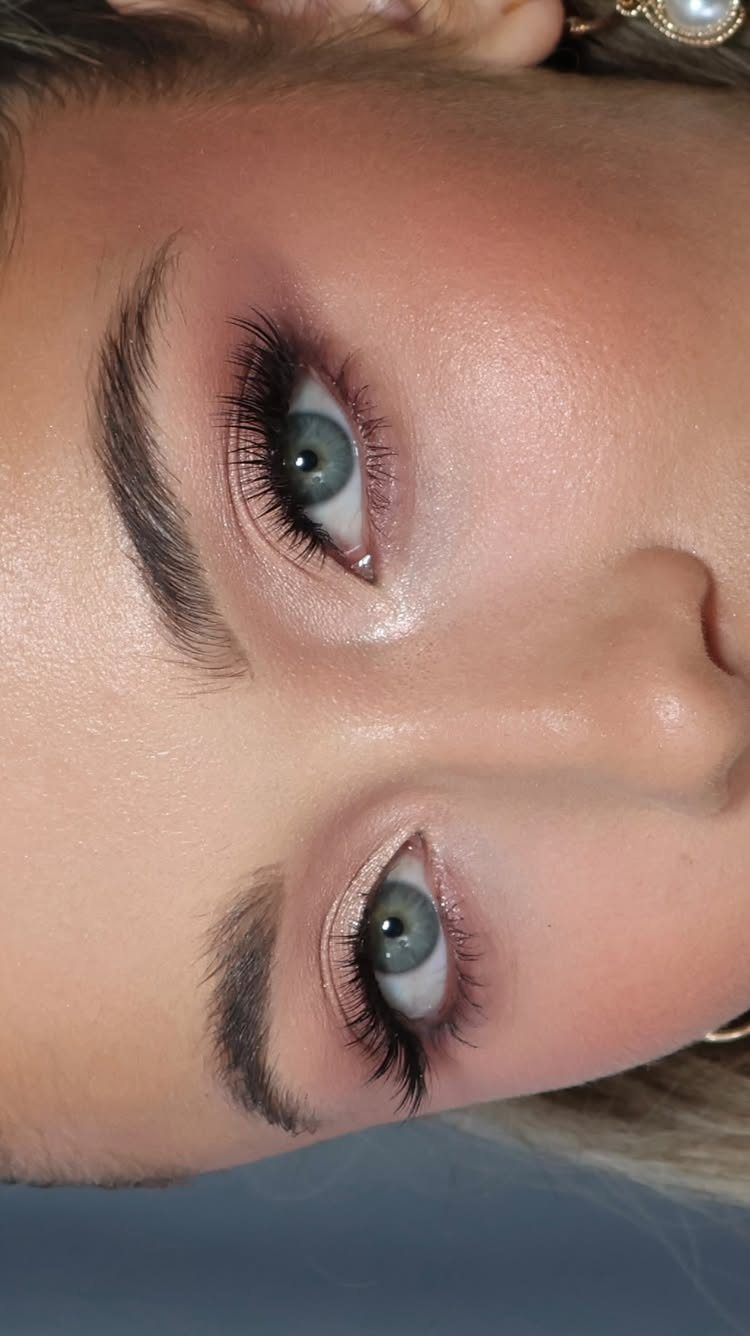
Pink near the eye can look irritated if it is too bright, so I stick to soft, milky shades. Dab a light pink over the lid and blend the edges until no line remains.
Long, dark lashes keep it from turning sweet and washed out, so spend your effort on mascara. Comb through it while it is wet to separate the lashes.
This look suits beginners well, because blending mistakes hide easily in a pale shade.
5. Natural Look with Winged Eyeliner
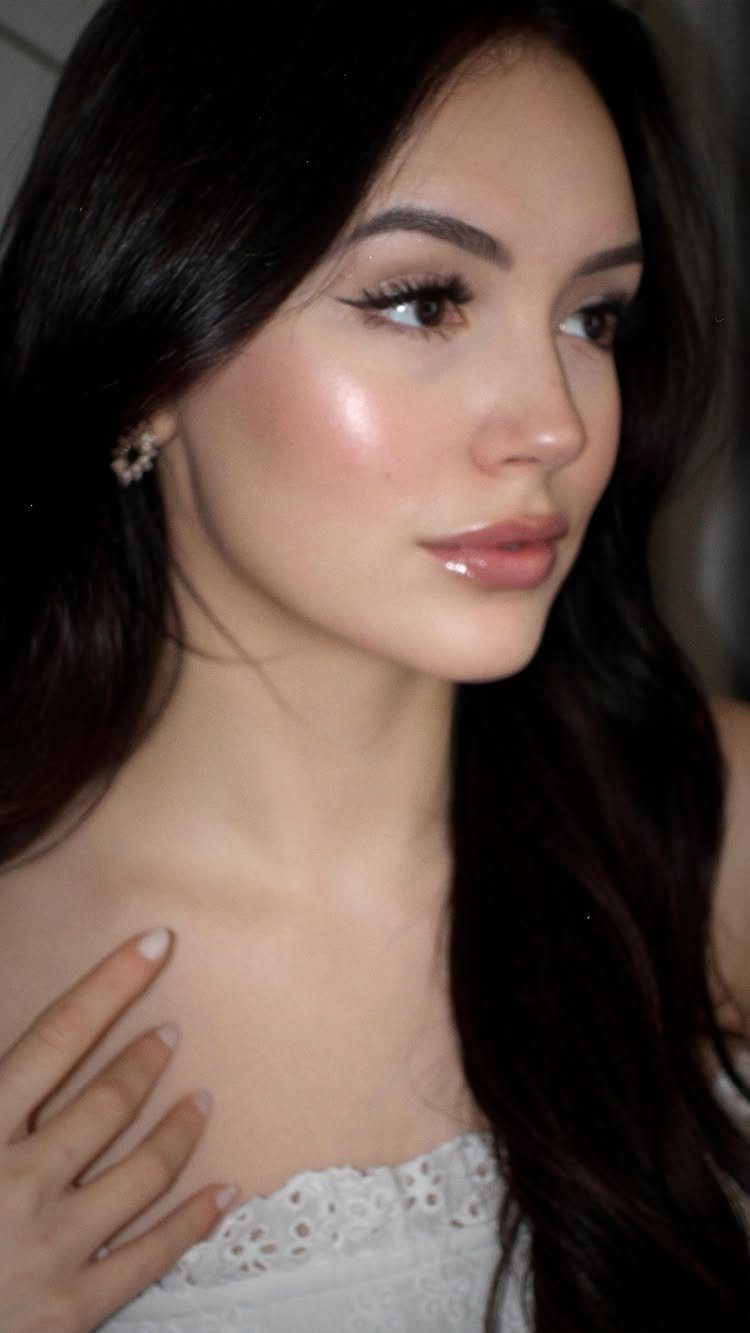
A winged liner can still count as natural if the wing stays short and thin. Draw it with black liner, following the angle of your lower lash line outward, and keep the line fine near the inner corner.
Mascara does the rest. I’d skip heavy shadow, so the wing is the only dramatic detail.
A pencil is easier for beginners than liquid. Smudge it slightly if the line looks too sharp.
6. Soft Brown and Beige Tones
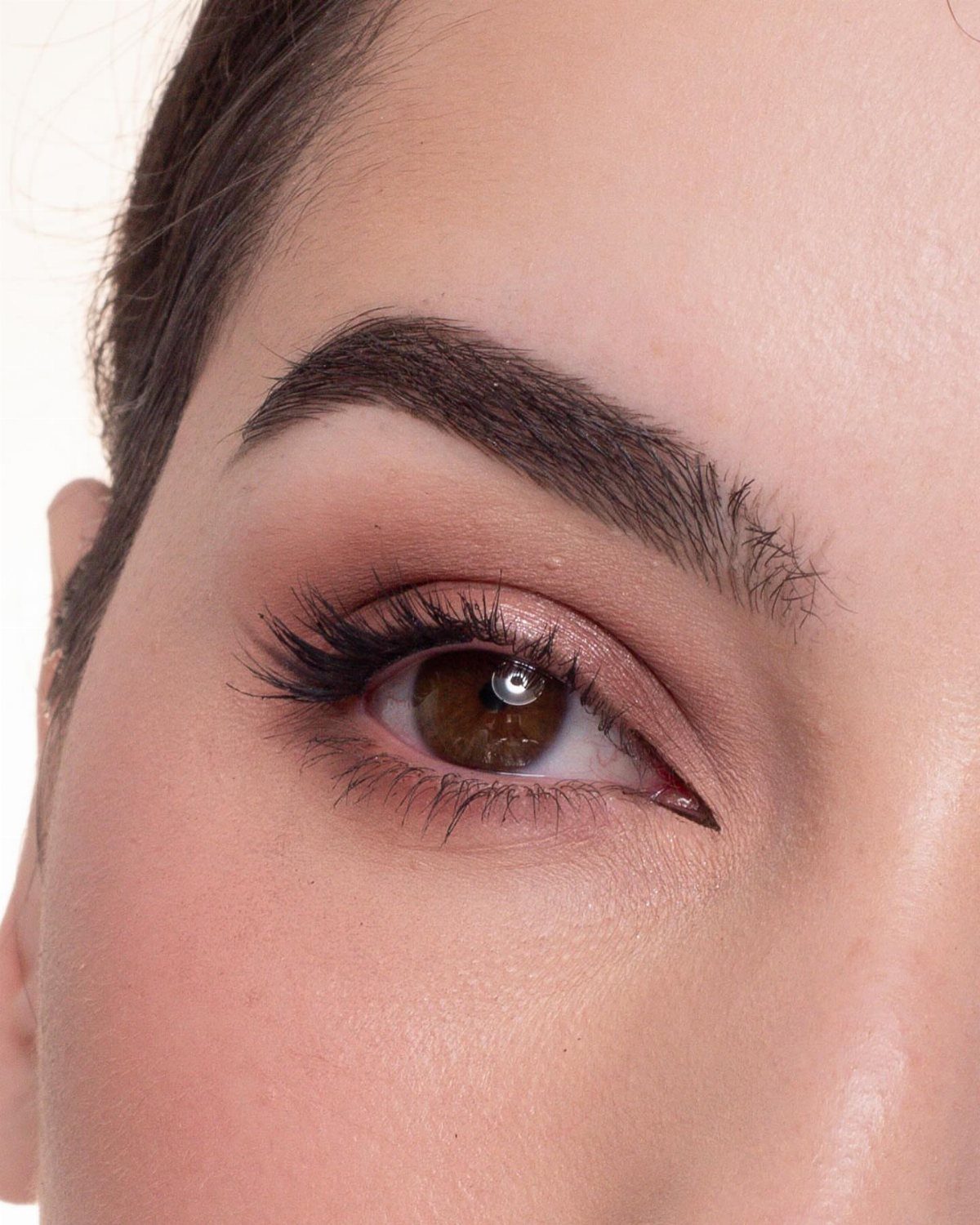
Matte beige and soft brown make the easiest blend of the six. Lay the beige across the whole lid as a base, then add brown on the outer third and blend back and forth until the shades merge.
Matte formulas keep it understated, and defined mascara gives the eye its focus. The look is quiet, so don’t expect drama from it.
Use a clean fluffy brush for the final blend, and the edges will soften quickly.
7. Mauve and Brown Blend
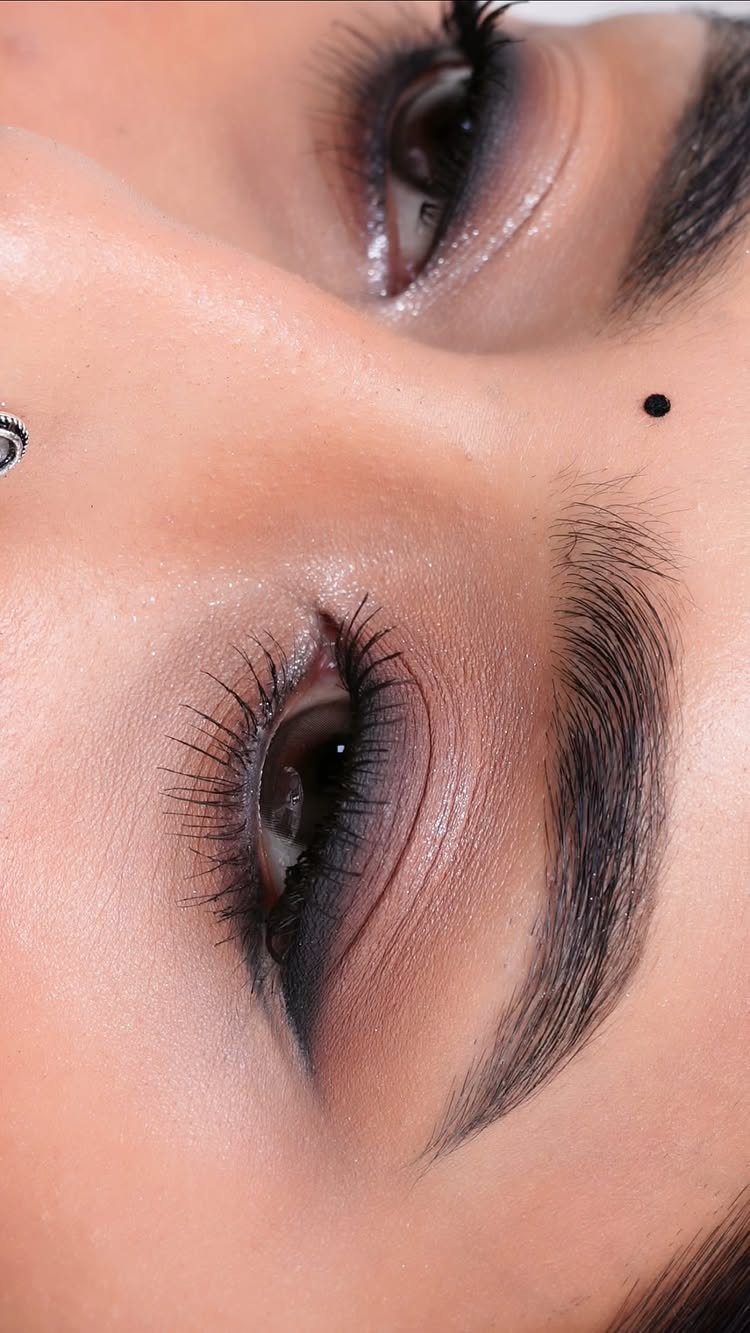
Mauve is the quiet partner in this pairing: a dusty purple-pink that warms brown without turning it red. Pat it over the lid, then smoke a soft brown through the outer corner so the 2 shades melt together.
A small amount of shimmer on the center of the lid adds light, and I’d keep it fine rather than chunky. Brush the brows into shape and add mascara so the eye stays defined.
This blend is a little more involved than a single wash, because 2 colors have to meet without a visible seam. Blend with a clean brush until the edge disappears.
Choosing the Right Eyeshadow
Skin tone decides how a shade reads, so a color that looks soft on one person can look bold on another. Mahogany is a good example: it suits deep skin well but can look heavy on fair skin.
On fair or light skin, pinks, dusty mauves, tan browns, muted corals and taupes stay quiet.
Medium skin does well with warmer earthy browns, faded corals and mauve. Deeper, melanin-rich skin can carry smoky black, dark cocoa brown, mahogany and maroon.
Finish matters as much as color.
Matte shadows are the dependable everyday pick, and a nude shimmer adds a little glow when you want it. Layer lightly, because intensity is what separates natural from obvious.
Preparing Your Skin
Makeup looks only as good as the skin under it, and a clean, hydrated base keeps color from going blotchy.
A face wash twice a day, once in the morning and once at night, keeps oil, grime and any makeup left from earlier from building up on the skin.
Exfoliate at least once a week. For flaking or dull patches, a mild scrub or a clean washcloth wrung out in lukewarm water lifts dead skin cells off the surface without much effort.
Then moisturize, and match it to your skin type.
For dry skin, I look for hyaluronic acid, ceramides and shea butter on the label. Sunscreen comes next, and a moisturizer with SPF saves a step.
Prep the eye area too. Cover dark circles and define your brows first, so the shadow starts on a neutral canvas.
Using Light Coverage Products
A natural face uses light coverage. A light foundation evens out skin tone without hiding every blemish, and that slight honesty is what keeps skin looking like skin.
When foundation feels like too much, I’d reach for a tinted moisturizer, CC cream or BB cream, since each adds a little color and still lets skin show through.
Don’t skip the lids. Blend a little concealer or eye primer over them first, which gives shadow an even surface and helps it last through the day instead of melting away.
Frequently Asked Questions
How to do eye makeup that looks natural?
Start with a clean, moisturized face and a light layer of concealer or eye primer on the lids, then use one or two quiet shades and blend until no edge shows.
4 steps cover the whole look: a taupe or soft brown wash over the lid, a slightly deeper brown pressed into the outer corner, a coat of mascara, and brows brushed into place.
Keep every layer sheer, because how much pigment you build up is what decides whether eyes look polished or painted.
What is the best eyeshadow for a natural look?
Matte shadows in muted, skin-friendly colors are the dependable pick, with taupe and soft brown at the top of my list. On deep skin tones, shades like dark cocoa, mahogany and maroon read as rich rather than harsh.
Why does it look like I have natural eyeshadow?
Shades close to your skin tone read as shadow rather than as color, so the eye looks defined without looking made up.
Taupe is a good example, since it sits between gray and brown. Careful blending, matte finishes and a light hand with layers keep any harsh edge from showing.